Guide to Water Jet Cutting Machines: Process Basics, Accuracy, and Material Capabilities
Water jet cutting machines are tools that use a high-pressure stream of water, sometimes mixed with abrasive particles, to cut a wide range of materials. The method developed from earlier uses of water jets for cleaning and mining, and later evolved into a precise cutting technique used in manufacturing, construction, and design work. Today, water jet cutting machines are valued for their ability to cut without generating significant heat.
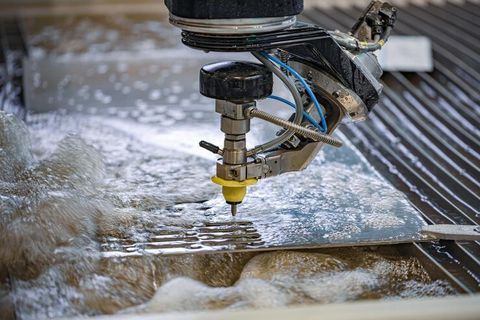
The process works by forcing water through a small nozzle at extremely high pressure. In many cases, abrasive materials such as garnet are added to enhance cutting power. This allows the machine to handle materials ranging from soft rubber to hard metals like steel. Because the process avoids heat buildup, it is often described as a “cold cutting” method.
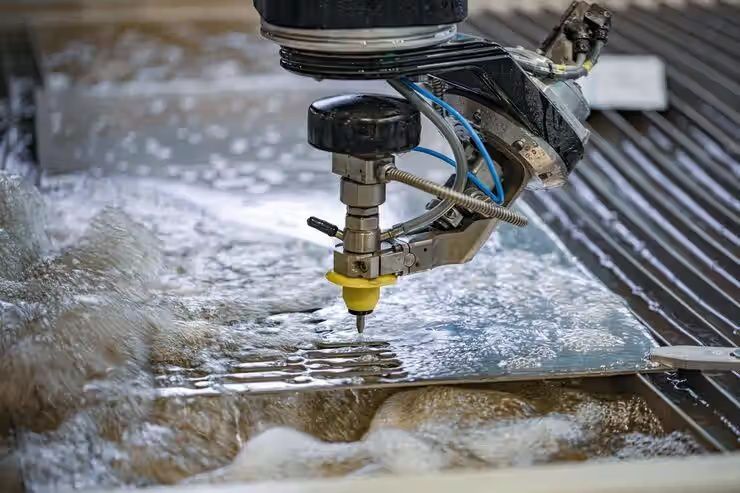
Water jet cutting has become more accessible over time, with advancements in computer control systems improving accuracy and repeatability. It is now used in industries such as aerospace, automotive, architecture, and even artistic fabrication. For general readers, understanding how this technology works helps explain how many everyday objects are shaped and produced.
Importance
Water jet cutting machines play an important role in modern production because they address several common challenges in material processing. One of the key issues in traditional cutting methods is heat distortion. Techniques like laser or plasma cutting can generate high temperatures, which may alter the material’s structure. Water jet cutting avoids this issue by using a cold process.
Another important factor is versatility. A single water jet cutting machine can work with many materials, including:
- Metals such as aluminum, stainless steel, and titanium
- Non-metals like glass, stone, and ceramics
- Flexible materials such as rubber, foam, and textiles
This flexibility reduces the need for multiple specialized machines. It also simplifies workflows in industries where different materials are used together.
Accuracy is another major advantage. Modern systems use computer numerical control (CNC), allowing detailed designs to be cut with high precision. This is useful for applications where tight tolerances are required, such as aerospace components or medical devices.
Water jet cutting also supports cleaner processing. Since it does not produce significant fumes or heat-affected zones, it can reduce the need for additional finishing steps. For everyday users, this means products can be manufactured with fewer alterations after cutting.
Recent Updates
In recent years, water jet cutting technology has seen steady improvements in efficiency and control. One notable trend is the integration of advanced software systems that enhance cutting paths and reduce material waste. These systems analyze designs and adjust cutting speeds automatically, improving both accuracy and productivity.
Another development is the use of smarter sensors. These sensors monitor pressure, nozzle condition, and material response during operation. By providing real-time feedback, they help maintain consistent performance and reduce errors.
Automation has also become more common. Many water jet cutting machines now include robotic arms or automated loading systems. This allows continuous operation with minimal manual intervention, which is particularly useful in large-scale production environments.
Environmental considerations are also shaping recent changes. Manufacturers are focusing on reducing water usage through recycling systems. Abrasive recycling technologies are being explored as well, helping to minimize waste.
Overall, the general trend shows a move toward more efficient, precise, and environmentally aware systems, making water jet cutting increasingly adaptable to different industries.
Laws or Policies
The use of water jet cutting machines is influenced by safety and environmental regulations in many countries, including India. These regulations aim to ensure that industrial processes are safe for workers and do not harm the environment.
Workplace safety standards typically require:
- Proper training for machine operators
- Use of protective equipment such as gloves and eye protection
- Regular inspection and maintenance of equipment
Noise control is another important aspect. High-pressure systems can generate significant noise, so facilities may need to follow guidelines related to permissible sound levels.
Environmental policies may address water usage and waste management. For example, used water and abrasive materials must often be treated before disposal. This helps prevent contamination of local water sources.
In India, general industrial safety and environmental practices are guided by frameworks such as the Factories Act and pollution control board regulations. These rules do not focus specifically on water jet cutting but apply to manufacturing processes as a whole.
Understanding these policies helps ensure that water jet cutting machines are used responsibly and safely in different settings.
Tools and Resources
Several tools and resources support the effective use of water jet cutting machines. These tools help with design, operation, and maintenance, making the process more efficient and reliable.
Design Software
Computer-aided design (CAD) software is commonly used to create cutting patterns. These digital designs are then converted into machine instructions. Examples of useful features include:
- Precision drawing tools for complex shapes
- Simulation options to preview cuts
- File compatibility with CNC systems
CNC Control Systems
CNC software controls the movement of the cutting head. It ensures that the machine follows the design accurately. Modern systems often include user-friendly interfaces and automated adjustments for speed and pressure.
Material Databases
Some platforms provide databases that list recommended cutting parameters for different materials. These include suggested pressure levels, cutting speeds, and abrasive usage. Such information helps operators achieve consistent results.
Maintenance Tools
Regular maintenance is important for performance and safety. Tools such as nozzle inspection kits and pressure monitoring systems help identify wear and prevent issues before they affect cutting quality.
Typical Capabilities Table
Below is a general overview of how water jet cutting machines handle different materials:
| Material Type | Thickness Range (Typical) | Cutting Method | Notes |
|---|---|---|---|
| Metals | Up to several inches | Abrasive water jet | Maintains structural integrity |
| Glass | Thin to medium sheets | Pure or abrasive jet | Reduces risk of cracking |
| Stone | Medium to thick slabs | Abrasive water jet | Suitable for detailed patterns |
| Rubber & Foam | Thin to thick layers | Pure water jet | Clean edges without deformation |
| Ceramics | Thin to medium | Abrasive water jet | Requires careful pressure control |
This table provides a simplified view. Actual performance depends on machine specifications and operating conditions.
FAQs
What is a water jet cutting machine and how does it work?
A water jet cutting machine uses a high-pressure stream of water, sometimes combined with abrasive particles, to cut materials. The water is forced through a small nozzle, creating a focused jet that can slice through various surfaces without generating heat.
What materials can water jet cutting machines handle?
Water jet cutting machines can cut metals, glass, stone, ceramics, rubber, and foam. The use of abrasive particles allows the machine to handle harder materials, while pure water is suitable for softer ones.
How accurate is water jet cutting compared to other methods?
Water jet cutting is known for high accuracy, especially when combined with CNC systems. It can produce detailed shapes and maintain tight tolerances, making it suitable for precise applications.
Does water jet cutting affect material properties?
Because it is a cold cutting process, water jet cutting does not create a heat-affected zone. This means the material’s structure and properties remain largely unchanged after cutting.
Is water jet cutting environmentally friendly?
Water jet cutting can be relatively environmentally conscious when proper recycling systems are used. Water can often be reused, and waste materials can be managed through filtration and disposal systems.
Conclusion
Water jet cutting machines provide a flexible and precise method for shaping a wide range of materials. By using high-pressure water, they avoid many issues associated with heat-based cutting methods. Advances in software, automation, and environmental management continue to improve their performance. Understanding their process, capabilities, and regulations helps explain their growing role in modern manufacturing and design.