Guide to High Efficiency Boilers: Working Principles, Benefits, and Key Facts
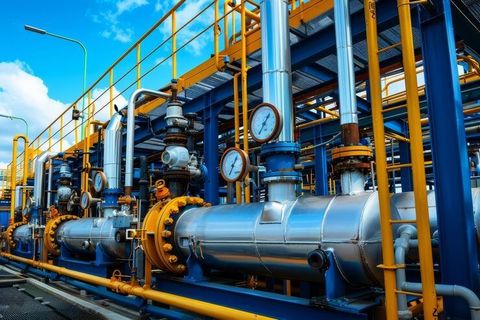
High efficiency boilers are heating systems designed to convert fuel into heat with minimal energy loss. They are commonly used in residential buildings, commercial facilities, and industrial settings where consistent heating or hot water is required. Unlike older boiler designs, these systems focus on improving heat transfer and reducing wasted energy during operation.
Traditional boilers release a significant portion of heat through exhaust gases. High efficiency boilers address this issue by capturing more of the heat produced during combustion. This improved process allows the system to deliver more usable heat while using the same amount of fuel compared with older models.
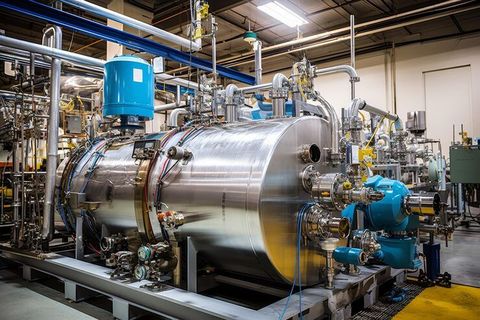
The development of high efficiency boilers is closely linked to advances in energy engineering and environmental awareness. As energy conservation and emission reduction became important global goals, manufacturers and researchers began developing systems that maximize heat output while minimizing fuel consumption and environmental impact.
Today, high efficiency boilers are part of many modern heating systems. Their working principles rely on improved combustion processes, enhanced heat exchangers, and the ability to recover heat that would otherwise escape through exhaust gases.
Importance
Heating systems play an essential role in everyday life. Buildings in many climates rely on boilers to provide hot water and indoor heating for comfort, sanitation, and industrial processes. Because heating systems often run for long periods, their energy efficiency can influence overall energy use.
High efficiency boilers help address several challenges associated with traditional heating equipment. One major concern is energy waste. Older systems may lose a large portion of the heat they generate through exhaust or incomplete heat transfer.
Another challenge involves environmental impact. Burning fuel releases emissions that contribute to air pollution and climate-related concerns. Systems designed with higher efficiency can reduce the amount of fuel needed to produce the same level of heat, which can lower emissions.
High efficiency boilers are relevant in many situations, including:
- Residential heating systems that provide hot water and room heating
- Commercial buildings such as schools, hospitals, and offices
- Industrial facilities requiring controlled heating for manufacturing processes
- District heating networks that distribute heat to multiple buildings
Energy efficiency improvements can also influence long-term infrastructure planning. Governments, building managers, and engineers often consider heating efficiency when designing or upgrading buildings.
How High Efficiency Boilers Differ from Traditional Boilers
Traditional boilers generally operate with efficiency levels around 70–80 percent. This means a noticeable portion of energy from fuel is lost as heat escaping through exhaust gases.
High efficiency boilers can reach efficiency levels above 90 percent by capturing and reusing heat that would normally be wasted. They often include specialized components that allow condensation of water vapor in exhaust gases, which releases additional heat.
Recent Updates
Between 2024 and 2026, the heating industry has continued focusing on energy efficiency and emissions reduction. Governments and energy organizations have encouraged the development of heating technologies that reduce fuel consumption and improve environmental performance.
One notable trend involves increased use of condensing technology. Condensing boilers capture latent heat from water vapor in exhaust gases. This recovered heat is transferred back into the heating system, improving overall efficiency.
Another development involves the integration of smart monitoring systems. Modern high efficiency boilers may include digital controls that monitor temperature, fuel input, and system performance. These controls allow more precise heat management and can help reduce unnecessary energy use.
Hybrid heating systems are also becoming more common. In these systems, boilers operate alongside other technologies such as heat pumps or solar thermal systems. This combination allows buildings to adapt heating output depending on energy availability and environmental conditions.
Manufacturers and engineers are also working on materials that improve heat exchanger performance. Improved corrosion-resistant metals and coatings help maintain efficiency over long periods of operation.
Typical Efficiency Comparison
| Boiler Type | Typical Efficiency Range | Key Feature |
|---|---|---|
| Conventional Boiler | 70–80% | Basic combustion and heat transfer |
| Non-Condensing Modern Boiler | 80–88% | Improved heat exchangers |
| Condensing High Efficiency Boiler | 90–98% | Recovers heat from exhaust vapor |
This comparison illustrates how design improvements can significantly influence heating performance.
Laws or Policies
Heating systems are influenced by various national and international energy regulations. Governments often introduce efficiency standards to reduce energy waste and environmental impact.
In many countries, building codes now require heating systems to meet specific efficiency levels. These standards encourage the adoption of modern boilers that use fuel more efficiently.
Energy labeling programs are another regulatory approach. Appliances such as boilers may be rated according to their energy performance. These labels help building owners and facility managers understand how efficiently a heating system operates.
Environmental policies also influence heating equipment design. Regulations aimed at reducing emissions encourage technologies that burn fuel more cleanly and capture more heat from combustion.
Some countries support modernization programs for building heating systems. These programs may focus on improving energy efficiency across residential, commercial, and public infrastructure.
Regulatory agencies may also require regular inspection of heating systems. These inspections help ensure equipment operates safely and maintains expected efficiency levels over time.
Tools and Resources
Understanding high efficiency boilers often involves technical data and system performance calculations. Several tools and informational platforms help individuals and organizations learn about heating efficiency and system design.
Some useful resources include:
- Energy efficiency calculators – These tools estimate how much energy a heating system uses and how efficiency improvements may influence overall consumption.
- Building energy modeling software – Programs used by engineers to simulate heating performance in buildings.
- Government energy information websites – Platforms that provide educational material on heating systems and energy efficiency standards.
- Technical manuals and engineering guides – Documents explaining boiler components, operation principles, and maintenance requirements.
- Energy audit tools – Digital tools used to assess how buildings use energy and where efficiency improvements may be possible.
Many of these tools are used by engineers, building managers, and energy researchers. However, simplified versions are available for general audiences interested in understanding heating systems.
Key Components of High Efficiency Boilers
High efficiency boilers typically include several specialized components that improve heat transfer and energy use.
Common components include:
- Primary heat exchanger: Transfers heat from combustion gases to water circulating through the system.
- Secondary heat exchanger: Recovers additional heat from exhaust gases in condensing systems.
- Condensate system: Collects water produced during condensation of exhaust vapor.
- Advanced burner controls: Manage fuel and air mixture to improve combustion efficiency.
- Digital monitoring systems: Track system temperature, pressure, and performance.
Together, these components help maximize the amount of usable heat generated from fuel.
FAQs
What are high efficiency boilers?
High efficiency boilers are heating systems designed to convert fuel into heat while minimizing energy loss. They often use advanced heat exchangers and condensation technology to capture heat that would normally escape through exhaust gases.
How do high efficiency boilers work?
High efficiency boilers work by burning fuel to generate heat, which is transferred to water circulating through the heating system. In condensing designs, exhaust gases pass through additional heat exchangers that recover heat from water vapor before it leaves the system.
What are the benefits of high efficiency boilers?
Common benefits include improved energy utilization, reduced fuel consumption, and lower heat loss compared with older boiler systems. These features can contribute to more efficient heating for buildings and industrial processes.
Are high efficiency boilers different from condensing boilers?
Many high efficiency boilers use condensing technology, but not all designs are identical. Condensing boilers specifically recover heat from water vapor in exhaust gases, which helps increase overall efficiency.
Where are high efficiency boilers commonly used?
High efficiency boilers are used in residential homes, commercial buildings, institutional facilities, and industrial operations where heating or hot water is required for daily activities.
Conclusion
High efficiency boilers represent an important development in modern heating technology. Their design focuses on reducing energy loss and capturing more heat from fuel combustion. By improving heat transfer and using advanced components, these systems can operate with higher efficiency compared with traditional boilers. As energy efficiency and environmental considerations continue to shape building systems, high efficiency boilers remain a significant part of heating infrastructure.