Guide to Automatic Bottle Fillers: Working Principles, Machine Types, and Production Efficiency
Automatic bottle fillers are machines designed to fill liquids into containers with minimal human involvement. These systems are widely used in industries such as food and beverages, pharmaceuticals, cosmetics, and household products. The idea behind automation in filling processes developed as production volumes increased and manual methods became inefficient and inconsistent.
The working principles of automatic bottle fillers are based on controlling liquid flow, measuring accurate quantities, and ensuring uniform filling across multiple containers. Over time, different machine types have emerged to handle various liquid characteristics, from thin fluids like water to thicker substances such as oils or creams.
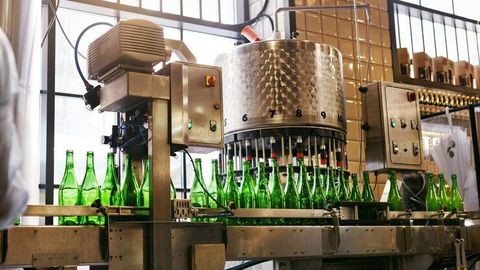
Understanding how these machines function helps explain their role in modern manufacturing. Their development reflects the need for faster production, improved hygiene, and reduced variation in filling operations.
Importance
Automatic bottle fillers play a significant role in everyday life, even though most people do not directly interact with them. Products like packaged water, juices, medicines, and personal care items are often filled using these systems. This makes them essential for maintaining consistent product quality and safety.
These machines address several common challenges. For example, manual filling can lead to uneven quantities, spills, and contamination risks. Automated systems help reduce these issues by controlling flow rates and maintaining clean environments during production.
They also support large-scale manufacturing. Industries that produce thousands of bottles per hour rely on automated fillers to keep up with demand. In addition, they help reduce material waste and improve efficiency, which can contribute to more sustainable production practices.
Recent Updates
Recent developments in automatic bottle fillers focus on improving precision, flexibility, and integration with digital systems. One noticeable trend is the use of sensors and smart controls that allow machines to adjust filling levels in real time. This reduces errors and improves consistency.
Another change is the integration of automation with data monitoring systems. Many modern machines now connect to centralized platforms that track production performance, detect faults, and provide maintenance alerts. This helps reduce downtime and improves operational reliability.
There is also a shift toward machines that can handle multiple bottle sizes and shapes without major adjustments. This flexibility supports manufacturers who produce a variety of products on the same production line.
Energy efficiency and reduced resource usage are also gaining attention. Newer systems are designed to minimize liquid loss and optimize power consumption, aligning with broader environmental goals in manufacturing.
Laws or Policies
The use of automatic bottle fillers is influenced by various regulations, especially in industries involving food, beverages, and pharmaceuticals. In India, guidelines from the Food Safety and Standards Authority of India play a key role in ensuring hygiene and safety during production.
These regulations often require:
- Clean and sanitary equipment to prevent contamination
- Accurate measurement to ensure correct product labeling
- Proper maintenance and inspection of machinery
- Traceability of production batches
In pharmaceutical applications, stricter standards apply. Guidelines from organizations such as the World Health Organization influence manufacturing practices, including the use of automated filling systems to maintain sterility and precision.
Environmental policies may also affect how these machines are used. Regulations related to waste management and energy consumption encourage manufacturers to adopt efficient systems that reduce resource usage.
Tools and Resources
Several tools and resources help operators and manufacturers understand and manage automatic bottle fillers effectively. These tools support planning, monitoring, and maintenance.
Common tools include:
- Production monitoring software helps track output, detect issues, and analyze performance data
- Calibration tools ensure accurate filling volumes and consistent operation
- Maintenance scheduling platforms assist in planning routine checks and reducing unexpected downtime
- Simulation software allows testing of filling processes before implementation
Some widely used platforms in industrial automation include systems developed by Siemens and Rockwell Automation. These platforms support machine control, data integration, and process optimization.
Operators may also refer to technical manuals, training modules, and industry guidelines to understand machine operation and safety requirements. These resources help ensure that the equipment functions correctly and meets regulatory standards.
Working Principles of Automatic Bottle Fillers
Automatic bottle fillers operate using controlled mechanisms that regulate how liquid is transferred into containers. The exact method depends on the type of machine and the nature of the liquid.
Gravity Filling
Gravity filling relies on the natural flow of liquid from a higher tank into bottles below. It is commonly used for thin, free-flowing liquids such as water and juices. This method is simple and effective but may not be suitable for thicker substances.
Pressure Filling
Pressure filling uses external force to push liquid into bottles. This approach is often used for carbonated beverages, where maintaining pressure is important to preserve carbonation levels.
Vacuum Filling
Vacuum filling removes air from the bottle before filling it with liquid. This method helps achieve precise fill levels and is often used for products like oils and sauces.
Piston Filling
Piston fillers use a mechanical piston to draw a specific volume of liquid and dispense it into bottles. This method is suitable for thicker liquids and allows accurate measurement.
Machine Types and Their Applications
Different types of automatic bottle fillers are designed to handle specific production needs. Each type offers unique advantages depending on the liquid and container.
Liquid Fillers
These machines are used for thin liquids such as water, milk, and cleaning solutions. They often use gravity or overflow methods to ensure consistent fill levels.
Paste Fillers
Paste fillers are designed for thicker substances like creams, gels, and sauces. They typically use piston mechanisms to handle higher viscosity.
Powder Fillers
Although not always classified under liquid filling, powder fillers are used for products like spices and detergents. They operate using volumetric or weight-based systems.
Aseptic Fillers
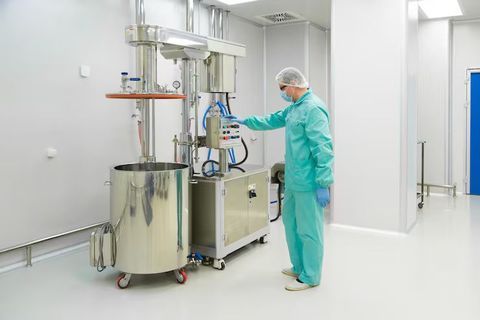
Aseptic filling machines are used in industries where sterility is critical, such as pharmaceuticals and certain food products. These machines operate in controlled environments to prevent contamination.
Production Efficiency and Performance Factors
Production efficiency in automatic bottle fillers depends on several factors. These factors influence how quickly and accurately bottles are filled.
Key factors include:
- Filling speed determines how many bottles can be processed in a given time
- Accuracy ensures each bottle contains the correct amount of product
- Downtime affects overall productivity and can result from maintenance or technical issues
- Flexibility allows the machine to handle different bottle sizes and product types
The following table provides a simple comparison of filling methods and their typical applications:
| Filling Method | Suitable Liquids | Key Advantage | Common Use Case |
|---|---|---|---|
| Gravity Filling | Thin liquids | Simple operation | Water, juice |
| Pressure Filling | Carbonated liquids | Maintains pressure | Soft drinks |
| Vacuum Filling | Medium viscosity liquids | Precise fill levels | Oils, sauces |
| Piston Filling | Thick liquids | Accurate volume control | Creams, gels |
Improving efficiency often involves regular maintenance, proper calibration, and the use of advanced control systems. Monitoring performance data can also help identify areas for improvement.
FAQs
What are automatic bottle fillers and how do they work?
Automatic bottle fillers are machines that fill liquids into containers using controlled mechanisms. They work by regulating liquid flow, measuring volumes, and ensuring consistent filling across multiple bottles.
What are the main types of automatic bottle fillers?
The main types include gravity fillers, pressure fillers, vacuum fillers, and piston fillers. Each type is designed for specific liquid properties and production needs.
How do automatic bottle fillers improve production efficiency?
They improve efficiency by increasing filling speed, reducing manual errors, and maintaining consistent product levels. Automated systems also help minimize waste and downtime.
Are automatic bottle fillers suitable for all types of liquids?
Different machines are designed for different liquids. Thin liquids use gravity systems, while thicker substances require piston-based systems for accurate filling.
What factors affect the performance of automatic bottle fillers?
Performance depends on filling speed, accuracy, maintenance, and the ability to handle different bottle types. Proper calibration and monitoring also play important roles.
Conclusion
Automatic bottle fillers are an important part of modern manufacturing, supporting consistent and efficient production across various industries. Their working principles are based on controlled liquid flow and precise measurement, which help maintain quality and reduce waste.
Different machine types are designed to handle a wide range of liquids, from thin fluids to thick pastes. Advances in automation and digital integration continue to improve their performance and flexibility.
Understanding these systems provides insight into how everyday packaged products are prepared and how production processes continue to evolve with technology.