Guide to Robotic Home Cleaners: Working Principles, Automation, and Smart Features
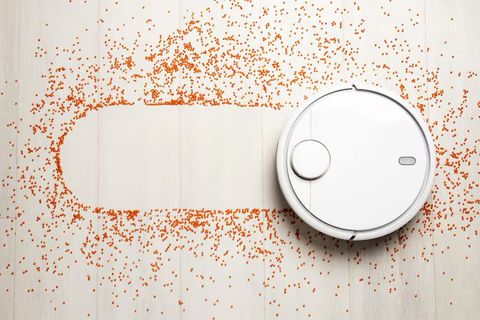
Robotic home cleaners are automated devices designed to assist with routine household cleaning tasks such as vacuuming and mopping. These machines use sensors, software, and mechanical components to move around a living space while collecting dust, debris, or spills. Over time, advancements in robotics and artificial intelligence have transformed these devices from simple automated tools into more adaptive systems capable of navigating complex environments.
The idea of automated cleaning originates from early robotic research focused on reducing manual effort in repetitive tasks. As homes became more technology-enabled, robotic cleaners evolved to fit into modern lifestyles, where convenience and time management are important. Today, these devices are commonly found in urban households and are part of a broader category of smart home technologies.
Importance
Robotic home cleaners address everyday challenges related to maintaining clean living spaces, especially for people with busy schedules or limited time for household chores. They are particularly useful in environments where frequent cleaning is needed, such as homes with pets, children, or high foot traffic.
Several practical benefits explain their growing relevance:
- Time efficiency: automated cleaning allows users to focus on other tasks while routine cleaning continues in the background
- Consistency: regular cleaning cycles help maintain a steady level of cleanliness
- Accessibility: individuals with mobility limitations can manage cleaning tasks more easily
- Adaptability: many devices can adjust to different floor types, including tiles, wood, and carpets
As urban living spaces become more compact and fast-paced, robotic cleaning systems offer a way to manage household upkeep without constant manual involvement.
Recent Updates
Recent developments in robotic home cleaners between 2024 and 2026 reflect ongoing improvements in automation, connectivity, and environmental awareness. These updates focus on making devices more efficient and user-friendly rather than fundamentally changing their purpose.
Key trends include:
- Improved navigation systems: newer models use advanced mapping technologies, such as LiDAR and visual sensors, to create accurate floor plans and avoid obstacles
- Integration with smart ecosystems: compatibility with voice assistants and mobile applications allows users to control cleaning schedules and settings remotely
- Enhanced battery performance: longer operational times and faster charging cycles help cover larger areas without interruption
- Multi-function capabilities: some devices combine vacuuming and mopping in a single unit, reducing the need for separate tools
- Data-driven cleaning patterns: machine learning enables devices to adapt cleaning routes based on previous usage and room layouts
These updates indicate a shift toward more intelligent and autonomous systems that require minimal user input.
Laws or Policies
The use and development of robotic home cleaners are influenced by general consumer electronics regulations rather than specific laws dedicated to cleaning robots. In many countries, including India, these devices must comply with safety, electrical, and data protection standards.
Key regulatory aspects include:
- Electrical safety standards: devices must meet guidelines set by organizations such as the Bureau of Indian Standards (BIS), ensuring safe operation within households
- Wireless communication regulations: robotic cleaners that use Wi-Fi or Bluetooth must follow telecommunications rules to avoid interference with other devices
- Data privacy considerations: smart cleaners that collect mapping data or connect to mobile apps must adhere to data protection principles, ensuring user information is handled responsibly
- Environmental guidelines: manufacturers are encouraged to design energy-efficient products and manage electronic waste according to environmental regulations
These policies aim to ensure that robotic cleaning devices are safe, reliable, and respectful of user privacy.
Tools and Resources
A variety of tools and resources help users understand and manage robotic home cleaners more effectively. These resources provide guidance on setup, maintenance, and performance optimization.
Commonly used tools include:
- Mobile control applications: many robotic cleaners connect to smartphone apps that allow users to schedule cleaning sessions, monitor progress, and adjust settings
- Mapping interfaces: visual maps generated by the device help users define cleaning zones or restrict access to certain areas
- Maintenance guides: digital manuals and tutorials explain how to clean brushes, empty dust containers, and maintain sensors
- Battery monitoring tools: built-in diagnostics provide information about battery health and charging cycles
- Comparison platforms: online resources offer side-by-side comparisons of features such as suction power, navigation methods, and compatibility with smart home systems
Example Feature Comparison Table
| Feature | Basic Models | Advanced Models |
|---|---|---|
| Navigation System | Random or pattern-based | Smart mapping (LiDAR/AI) |
| Control Method | Buttons or remote | Mobile app and voice |
| Cleaning Modes | Vacuum only | Vacuum + mop |
| Battery Duration | Moderate | Extended runtime |
| Obstacle Detection | Limited sensors | Advanced object recognition |
This table highlights how different levels of technology influence the functionality and usability of robotic cleaners.
FAQs
What are robotic home cleaners and how do they work?
Robotic home cleaners are automated devices that clean floors using brushes, suction systems, and sensors. They navigate spaces by detecting obstacles, mapping rooms, and following programmed cleaning paths.
Are robotic home cleaners suitable for all floor types?
Most robotic home cleaners are designed to work on multiple surfaces, including tiles, hardwood, and carpets. However, performance may vary depending on the device’s design and features.
How does automation improve robotic home cleaning?
Automation allows the device to operate independently based on schedules or user commands. It can start, stop, and adjust cleaning routines without manual control, making daily maintenance more manageable.
Do robotic home cleaners require regular maintenance?
Yes, regular maintenance is necessary to keep the device functioning properly. This includes cleaning brushes, emptying dust containers, and checking sensors for dust or debris.
Can robotic home cleaners be controlled remotely?
Many modern robotic home cleaners can be controlled through mobile apps or voice assistants. This enables users to manage cleaning tasks even when they are not at home.
Conclusion
Robotic home cleaners represent a practical application of automation in everyday life, combining mechanical design with intelligent software. They help address common challenges related to time, effort, and consistency in household cleaning. Advances in navigation, connectivity, and energy efficiency continue to improve their usability. While they operate within general consumer electronics regulations, their growing presence reflects broader trends in smart home technology. Overall, they provide a structured approach to maintaining clean living spaces with minimal manual involvement.