Guide to Rubber Powder Grinding Machines: Working Principles, Output Quality, and Applications
Rubber powder grinding machines are industrial systems designed to convert rubber materials into fine particles. These machines are commonly used to process waste rubber, such as used tires, into reusable material known as rubber powder or crumb rubber. The process supports material recovery and reduces the amount of rubber waste that ends up in landfills.
The concept originates from the need to manage growing volumes of rubber waste while also creating usable raw materials for various industries. Rubber is durable and does not easily decompose, which makes recycling important. Grinding machines help break down rubber into smaller sizes that can be reused in manufacturing, construction, and other applications.
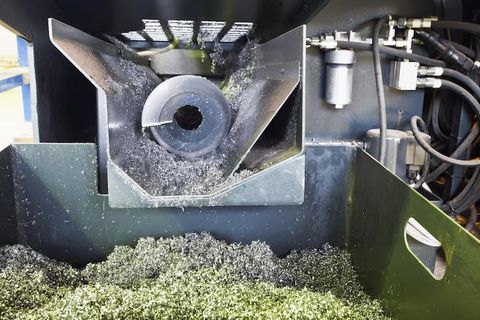
A guide to rubber powder grinding machines typically covers how these machines operate, what output quality means, and where the resulting material is used. Understanding these basics helps readers grasp the broader role of rubber recycling in modern industry.
Importance
Rubber powder grinding machines play a significant role in addressing environmental and industrial challenges. Discarded rubber products, especially tires, create long-term waste issues. These machines provide a way to transform waste into usable material, reducing environmental impact.
The topic matters because it connects waste management with resource efficiency. Industries that rely on rubber materials can reuse processed powder instead of depending entirely on new raw materials. This reduces pressure on natural resources and lowers overall waste generation.
For everyday people, the impact is indirect but meaningful. Roads, playground surfaces, sports fields, and even household products may contain recycled rubber. By understanding how rubber powder is produced, readers can better appreciate the lifecycle of materials used in daily life.
Key challenges addressed include:
- Waste accumulation: Managing large volumes of used rubber products
- Resource conservation: Reducing reliance on raw rubber sources
- Environmental concerns: Limiting landfill use and pollution
- Material reuse: Supporting circular use of industrial materials
Recent Updates
Recent developments in rubber powder grinding machines focus on improving efficiency, output consistency, and environmental performance. Advances in automation have made machines more precise, allowing better control over particle size and uniformity.
Another trend is the use of energy-efficient systems. Modern machines are designed to consume less power while maintaining output levels. This aligns with broader industrial efforts to reduce energy use and emissions.
Digital monitoring systems are also becoming more common. These systems track machine performance, temperature, and output quality in real time. This helps operators maintain consistent results and reduce downtime.
There is also growing interest in cryogenic grinding techniques. In this method, rubber is cooled using low temperatures before grinding. This makes the material more brittle and easier to process, resulting in finer and more uniform powder.
Overall, the general trend points toward smarter, cleaner, and more controlled grinding processes.
Laws or Policies
Rubber powder grinding machines operate within a framework of environmental and industrial regulations. These rules vary by country but generally focus on waste management, emissions, and worker safety.
In India, rubber recycling activities are influenced by guidelines from environmental authorities such as the Central Pollution Control Board (CPCB). These guidelines address how waste rubber should be processed and how emissions should be controlled during grinding operations.
Key regulatory aspects include:
- Waste handling rules: Proper collection and processing of used rubber materials
- Air quality standards: Limiting dust and emissions from grinding machines
- Noise regulations: Ensuring machinery operates within acceptable sound levels
- Workplace safety: Protecting workers from hazards such as dust exposure and mechanical risks
Extended Producer Responsibility (EPR) policies also play a role. These policies encourage manufacturers to take responsibility for the lifecycle of their products, including disposal and recycling. This increases demand for systems like rubber powder grinding machines.
Compliance with these regulations ensures that rubber processing activities remain environmentally responsible and safe for workers.
Tools and Resources
Understanding rubber powder grinding machines can be supported by various tools and informational resources. These tools help users evaluate machine performance, output quality, and application suitability.
Common tools and resources include:
- Particle size analysis tools: Used to measure the size distribution of rubber powder
- Energy consumption calculators: Help estimate power usage of grinding machines
- Material testing standards: Provide guidelines for evaluating rubber powder quality
- Industry reports: Offer insights into trends in rubber recycling and applications
- Technical manuals: Explain machine operation, maintenance, and safety practices
Below is a simple table outlining common machine types and their characteristics:
| Machine Type | Working Principle | Output Quality | Common Applications |
|---|---|---|---|
| Ambient Grinding | Mechanical grinding at room temperature | متوسط particle uniformity | Rubber mats, flooring, fillers |
| Cryogenic Grinding | Freezing rubber before grinding | Fine and uniform powder | High-precision industrial uses |
| Wet Grinding | Grinding with liquid assistance | Smooth particle surface | Specialized rubber compounds |
| Granulators | Cutting rubber into small granules | Coarser output | Pre-processing for further grinding |
These tools and resources help users understand how different grinding methods affect output quality and applications.
FAQs
What is a rubber powder grinding machine?
A rubber powder grinding machine is a system that breaks down rubber materials into fine particles. It is commonly used to process waste rubber into reusable powder for industrial applications.
How does a rubber powder grinding machine work?
The machine uses mechanical force, such as cutting, crushing, or grinding, to reduce rubber into smaller pieces. In some cases, cooling methods like cryogenic processing are used to make grinding easier and more efficient.
What determines output quality in rubber powder grinding machines?
Output quality depends on factors such as particle size, uniformity, and purity. Machine design, grinding method, and operating conditions all influence the final result.
What are the main applications of rubber powder?
Rubber powder is used in products like road surfaces, sports fields, flooring materials, and industrial components. It is also used as a filler material in manufacturing processes.
Are rubber powder grinding machines environmentally friendly?
These machines support recycling by converting waste rubber into reusable material. However, their environmental impact depends on factors such as energy use, emissions control, and compliance with regulations.
Conclusion
Rubber powder grinding machines are important tools in modern waste management and material reuse. They transform durable rubber waste into useful materials for a wide range of applications. Understanding their working principles and output quality helps explain their role in industrial processes. With ongoing advancements, these machines continue to evolve toward greater efficiency and environmental compatibility. Their use reflects a broader shift toward more sustainable material practices.