Guide to Industrial Cleaning Equipment: Types, Working Principles, and Operational Knowledge
Industrial cleaning equipment refers to machines and tools designed to remove dirt, debris, grease, and contaminants from large surfaces, machinery, and work environments. These systems are commonly used in manufacturing units, warehouses, food processing facilities, healthcare settings, and public infrastructure. Unlike household cleaning tools, industrial cleaning equipment is built for durability, efficiency, and the ability to handle heavy-duty tasks.
The development of industrial cleaning equipment is closely tied to the growth of industries and urbanization. As production environments became larger and more complex, manual cleaning methods proved insufficient. This led to the creation of specialized machines such as pressure washers, floor scrubbers, vacuum systems, and steam cleaners, each designed for specific cleaning requirements.
Today, industrial cleaning equipment plays a central role in maintaining hygiene, safety, and operational efficiency. It supports industries in managing waste, reducing contamination risks, and ensuring compliance with cleanliness standards.
Importance
Industrial cleaning equipment is important because it helps maintain safe and hygienic environments across various sectors. In manufacturing plants, accumulated dust and debris can interfere with machinery performance and create safety hazards. In healthcare facilities, proper cleaning reduces the risk of infections and contamination.
The use of industrial cleaning equipment also improves productivity. Clean workspaces allow machines to operate smoothly and reduce downtime caused by maintenance issues. Workers can perform tasks more efficiently in environments that are organized and free from hazards.
Key challenges addressed by industrial cleaning equipment include:
- Managing large-scale cleaning tasks: Manual cleaning is time-consuming and often inconsistent in large facilities.
- Handling hazardous materials: Certain industries require equipment that can safely remove chemicals, oils, or biohazards.
- Maintaining regulatory compliance: Many sectors must meet strict cleanliness and sanitation standards.
- Reducing environmental impact: Modern equipment is designed to use water and energy more efficiently.
For everyday people, the impact may not always be visible, but it is significant. Clean public spaces, safe food production, and hygienic healthcare environments all depend on effective industrial cleaning practices.
Types and Working Principles
Types of Industrial Cleaning Equipment
Industrial cleaning equipment includes a wide range of machines, each suited to specific tasks:
- Pressure washers: Use high-pressure water to remove dirt, grease, and grime from surfaces such as floors, walls, and vehicles.
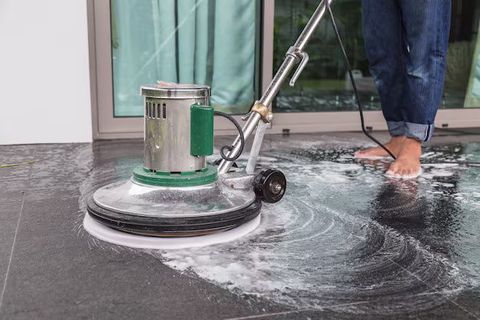
- Floor scrubbers: Combine water, cleaning solutions, and rotating brushes to clean and dry floors in one process.
- Industrial vacuum cleaners: Designed to handle large volumes of dust, debris, and sometimes liquids.
- Steam cleaners: Use high-temperature steam to sanitize surfaces without the need for strong chemicals.
- Sweepers: Remove loose debris from large areas like warehouses and parking lots.
- Parts washers: Clean mechanical components using solvents or water-based solutions.
Working Principles
The effectiveness of industrial cleaning equipment depends on different physical and mechanical principles:
- Mechanical action: Brushes, pads, or rotating components physically remove dirt from surfaces.
- Thermal action: Heat, especially in steam cleaners, helps break down grease and kill microorganisms.
- Chemical action: Cleaning agents dissolve or loosen contaminants.
- Pressure and flow: High-pressure systems dislodge stubborn dirt and transport it away from surfaces.
These principles are often combined in a single machine. For example, a floor scrubber uses mechanical brushing, water flow, and cleaning solutions simultaneously to achieve thorough cleaning.
Comparison of Common Equipment
| Equipment Type | Primary Use | Key Principle | Typical Application Area |
|---|---|---|---|
| Pressure Washer | Surface cleaning | High-pressure water | Outdoor areas, vehicles |
| Floor Scrubber | Floor maintenance | Mechanical + liquid | Warehouses, malls |
| Industrial Vacuum | Dust and debris removal | Suction and filtration | Factories, workshops |
| Steam Cleaner | Sanitization | Heat and steam | Food processing, healthcare |
| Sweeper | Debris collection | Mechanical sweeping | Large open spaces |
Recent Updates
Recent developments in industrial cleaning equipment reflect broader trends in automation, sustainability, and digital monitoring. Manufacturers are focusing on improving efficiency while reducing environmental impact.
One noticeable trend is the integration of smart technology. Many modern machines include sensors and monitoring systems that track performance, water usage, and maintenance needs. This allows operators to manage equipment more effectively and reduce downtime.
Automation is also becoming more common. Autonomous floor scrubbers and robotic vacuum systems are being introduced in large facilities. These machines can navigate spaces independently, reducing the need for constant human operation.
Sustainability is another key focus. Newer models are designed to use less water and energy while maintaining cleaning performance. Some equipment also supports the use of environmentally safer cleaning solutions.
In addition, ergonomic improvements are being made to ensure that operators can use industrial cleaning equipment comfortably and safely. This includes adjustable controls, quieter operation, and reduced vibration.
Laws or Policies
Industrial cleaning equipment is influenced by various regulations related to workplace safety, environmental protection, and public health. These rules vary by country but generally share common objectives.
In India, several frameworks guide the use of industrial cleaning equipment:
- Occupational safety regulations: These ensure that workplaces remain safe for employees. Cleaning equipment must be used in a way that minimizes risks such as slips, exposure to harmful substances, and equipment-related injuries.
- Environmental standards: Guidelines regulate the disposal of wastewater and chemicals used in cleaning processes. Industries must ensure that cleaning activities do not harm the environment.
- Industry-specific hygiene standards: Sectors like food processing and healthcare follow strict cleanliness protocols. Equipment used in these environments must meet defined sanitation requirements.
- Equipment safety norms: Machines must comply with safety standards related to electrical systems, noise levels, and operational design.
Organizations often follow national and international standards to maintain compliance. Regular inspections and proper documentation are part of maintaining adherence to these policies.
Tools and Resources
Several tools and resources help individuals and organizations understand and manage industrial cleaning equipment effectively.
- Equipment manuals and technical guides: These provide detailed instructions on operation, maintenance, and safety.
- Digital monitoring systems: Software platforms track equipment performance, usage patterns, and maintenance schedules.
- Training modules: Educational materials help operators understand how to use machines correctly and safely.
- Maintenance checklists: Structured templates ensure that equipment is inspected and serviced regularly.
- Industry guidelines and standards: Documents from regulatory bodies outline recommended practices for cleaning and sanitation.
Online platforms also provide access to instructional videos, troubleshooting guides, and technical documentation. These resources make it easier for users to learn about different types of industrial cleaning equipment and their applications.
FAQs
What is industrial cleaning equipment and where is it used?
Industrial cleaning equipment includes machines designed for large-scale cleaning tasks in environments such as factories, hospitals, warehouses, and public facilities. These tools handle heavy-duty cleaning that cannot be managed by standard household equipment.
How do different types of industrial cleaning equipment work?
Different types operate using principles such as pressure, heat, suction, and mechanical action. For example, pressure washers use high-pressure water, while industrial vacuum cleaners rely on suction and filtration systems.
Why is industrial cleaning equipment important for safety?
Clean environments reduce the risk of accidents, equipment malfunction, and exposure to harmful substances. Proper cleaning also supports compliance with safety and hygiene regulations in many industries.
What are common examples of industrial cleaning equipment?
Common examples include floor scrubbers, pressure washers, industrial vacuum systems, steam cleaners, and sweepers. Each type is designed for specific cleaning tasks and environments.
Are there environmental considerations in using industrial cleaning equipment?
Yes, modern equipment is designed to minimize water and energy usage. Proper disposal of wastewater and the use of safer cleaning agents are also important to reduce environmental impact.
Conclusion
Industrial cleaning equipment plays a vital role in maintaining cleanliness, safety, and efficiency across a wide range of industries. Its development has evolved alongside industrial growth, addressing the need for effective large-scale cleaning solutions. By combining mechanical, thermal, and chemical principles, these machines handle complex cleaning tasks with consistency. Current trends emphasize automation, sustainability, and improved usability. Understanding how industrial cleaning equipment works helps individuals and organizations maintain safe and hygienic environments.