Understanding Solar Power Inverters: Grid-Tied, Hybrid, and Off-Grid System Insights
Solar energy has become an increasingly visible part of modern electricity systems. As sunlight is converted into usable electricity through solar panels, another essential component works quietly in the background: the solar power inverter. Understanding solar power inverters—especially grid-tied, hybrid, and off-grid systems—helps explain how solar energy becomes practical for homes and small businesses.
A solar power inverter is a device that converts direct current (DC), produced by solar panels, into alternating current (AC), which is used by most household appliances. Without this conversion, solar-generated electricity would not be compatible with everyday electrical systems. Over time, different types of inverters have been developed to suit various energy needs and infrastructure setups.
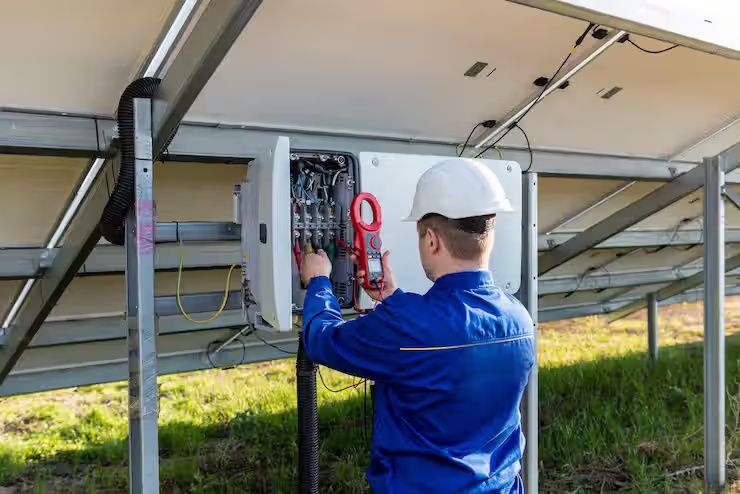
Grid-tied, hybrid, and off-grid systems represent three common approaches to solar energy usage. Each type is designed for specific conditions, such as access to utility grids, energy storage preferences, and reliability requirements. These systems reflect how solar technology has evolved to meet diverse environmental and practical demands.
Importance
Understanding solar power inverters is important because they directly affect how efficiently solar energy is used. As more households explore renewable energy options, knowing the differences between inverter types can help clarify how systems operate under different conditions.
Solar power systems address several everyday challenges. For example, they can reduce reliance on conventional electricity sources, help manage power interruptions, and support energy independence in remote areas. The type of inverter used determines how energy flows between solar panels, batteries, and the grid.
Different users benefit in different ways:
- Urban households may rely on grid-tied systems to complement existing electricity supply
- Rural or remote locations may depend on off-grid systems for independent power
- Mixed-use scenarios often use hybrid systems to balance storage and grid access
Inverters also play a role in safety and monitoring. Many modern systems include features that track energy production and consumption, helping users better understand their electricity usage patterns.
Recent Updates
From 2024 to 2026, solar inverter technology has continued to evolve with a focus on efficiency, smart integration, and adaptability. One noticeable trend is the increasing use of smart inverters that can communicate with energy management systems and utility networks.
Hybrid inverters have gained attention due to their ability to integrate battery storage with grid connectivity. This flexibility allows users to store excess energy for later use while still maintaining access to the grid when needed. As battery technologies improve, hybrid systems are becoming more common in residential setups.
Another development is the improvement in inverter efficiency and compact design. Newer models are designed to minimize energy loss during conversion, which enhances overall system performance. Additionally, software-based monitoring tools have become more user-friendly, allowing real-time tracking through mobile applications or web platforms.
There is also growing interest in microinverters and string inverters with advanced optimization features. These technologies aim to improve performance in situations where shading or panel orientation may affect energy output.
Laws or Policies
Solar power systems, including inverters, are influenced by national and regional policies. In India, renewable energy adoption is supported through various government programs and regulatory frameworks.
One key initiative is the PM Surya Ghar program, which encourages rooftop solar installations. Under such programs, grid-tied systems are often promoted because they allow excess electricity to be fed back into the grid through net metering policies.
Net metering regulations enable households to receive credits for surplus energy supplied to the grid. However, the implementation of these policies can vary by state, including limits on system capacity and connection requirements.
Safety standards also play an important role. Solar inverters must comply with technical guidelines set by authorities such as the Bureau of Indian Standards (BIS). These standards ensure that systems operate safely and are compatible with existing electrical infrastructure.
For off-grid systems, regulations may be less restrictive, but users still need to follow general electrical safety norms. Hybrid systems often fall under both grid-connected and storage-related guidelines, depending on their configuration.
Tools and Resources
Several tools and resources are available to help individuals understand and manage solar power inverter systems. These tools provide insights into system sizing, performance, and energy consumption.
Commonly used resources include:
- Solar calculators: These estimate energy generation based on location, panel size, and sunlight availability
- Monitoring platforms: Many inverter manufacturers provide apps or dashboards to track system performance
- Government portals: Websites from agencies like the Ministry of New and Renewable Energy (MNRE) provide guidelines and policy updates
- Technical documentation: Manuals and datasheets help users understand inverter specifications and installation requirements
Below is a simple comparison table that highlights key differences between grid-tied, hybrid, and off-grid systems:
| Feature | Grid-Tied System | Hybrid System | Off-Grid System |
|---|---|---|---|
| Connection to Utility Grid | Yes | Yes | No |
| Battery Storage | Typically not included | Included | Required |
| Power During Outage | No (usually shuts down) | Yes (with battery support) | Yes |
| Complexity | Moderate | Higher | Higher |
| Typical Use Case | Urban homes | Mixed energy needs | Remote locations |
These tools and comparisons can help users better understand how different systems function and which setup aligns with their needs.
FAQs
What is a solar power inverter and why is it needed?
A solar power inverter converts DC electricity generated by solar panels into AC electricity used by household appliances. Without it, solar energy cannot be used in standard electrical systems.
What is the difference between grid-tied, hybrid, and off-grid inverters?
Grid-tied inverters connect directly to the utility grid and do not typically include batteries. Hybrid inverters combine grid connectivity with battery storage. Off-grid inverters operate independently and rely entirely on solar panels and batteries.
Can a grid-tied solar power inverter work during a power outage?
In most cases, grid-tied systems shut down during outages for safety reasons. This prevents electricity from flowing back into the grid while maintenance work may be taking place.
Are hybrid solar power inverters suitable for homes?
Hybrid inverters are often used in homes that require both grid access and backup power. They allow energy storage and can provide electricity during outages if batteries are installed.
How do off-grid solar power inverters manage electricity supply?
Off-grid systems store energy in batteries and supply power directly from solar panels or stored energy. They are designed for areas without access to a utility grid and require careful system sizing.
Conclusion
Solar power inverters are a key component in making solar energy usable for everyday applications. Grid-tied, hybrid, and off-grid systems each serve different purposes based on location, infrastructure, and energy needs. Recent developments have focused on improving efficiency, flexibility, and system monitoring. Policies and tools continue to support wider understanding and adoption of these technologies. A clear understanding of inverter types helps explain how solar energy systems function in real-world scenarios.