Coil Winding Machines Explained: Technology, Applications, and Engineering Insights
Coil winding machines are specialized industrial devices used to wind wire into coils for electrical and electronic components. These coils are found in many everyday technologies, including electric motors, transformers, inductors, and generators. The winding process involves wrapping conductive wire around a core in a precise pattern so that electrical energy can be transferred or controlled effectively.
The concept of coil winding developed alongside the growth of electrical engineering during the late nineteenth and early twentieth centuries. As electrical devices became more common in homes, transportation, and industry, the need for consistent and accurate coil production increased. Manual winding methods gradually evolved into mechanical and automated systems designed to improve precision and repeatability.
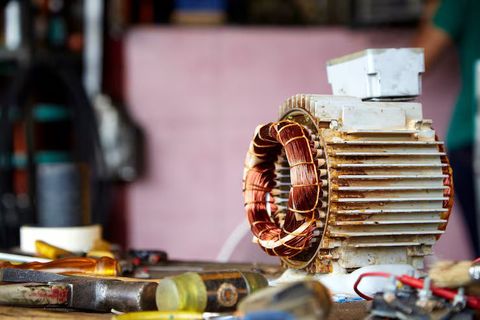
Modern coil winding machines use advanced control systems to guide the movement of wire and maintain consistent tension. These machines can wind thousands of turns of wire with high accuracy, which is essential for ensuring reliable performance in electrical components. The technology combines mechanical engineering, electronics, and computer control to manage complex winding patterns.
Today, coil winding machines are used in many manufacturing sectors. They support the production of components for appliances, renewable energy systems, communication equipment, transportation technologies, and industrial automation.
Importance
Coils play a central role in many electrical systems because they help control magnetic fields and electrical currents. Devices such as transformers and motors depend on coils to convert electrical energy into mechanical movement or to regulate voltage levels. Coil winding machines make it possible to produce these components in a consistent and efficient manner.
The importance of coil winding technology can be seen in several everyday applications:
- Electric motors, used in appliances, industrial equipment, and transportation systems
- Transformers, which adjust voltage levels in power distribution networks
- Inductors, commonly found in electronic circuits and communication devices
- Generators, which convert mechanical energy into electrical energy
Accurate winding is essential because the number of turns, wire spacing, and tension all affect how a coil behaves electrically. Small variations can influence inductance, resistance, and magnetic field strength. Coil winding machines help maintain these precise conditions across large production volumes.
Another reason these machines matter is efficiency. Automated systems can produce coils more quickly and with greater consistency than manual methods. This efficiency helps support the large-scale production of electrical equipment used in infrastructure, transportation, and consumer technology.
As modern technologies such as electric vehicles and renewable energy systems expand, the demand for reliable coil production continues to grow. Coil winding machines therefore remain an important part of manufacturing systems that support modern electrical infrastructure.
Recent Updates
Recent developments in coil winding technology reflect broader trends in industrial automation and digital manufacturing. Many machines now incorporate programmable control systems that allow operators to adjust winding patterns, speeds, and tension settings through software interfaces.
Automation has become a significant trend. Some modern coil winding machines include robotic loading systems that position cores automatically before winding begins. This reduces manual handling and improves production consistency.
Another development involves improved monitoring capabilities. Sensors can track wire tension, alignment, and winding accuracy in real time. If the system detects irregularities, the machine can pause or adjust parameters to maintain quality.
Digital integration is also becoming more common. Some manufacturing environments connect coil winding machines with centralized monitoring systems that track production data. This allows engineers to review performance metrics and identify maintenance needs before problems occur.
Materials technology is also evolving. As electrical devices become smaller and more efficient, coil designs sometimes require thinner wire and tighter winding patterns. Machines are therefore being designed with greater precision and improved control over wire handling.
Overall, the current trend focuses on combining mechanical reliability with digital control. This integration helps manufacturers maintain consistent production while adapting to increasingly complex electrical component designs.
Laws or Policies
Manufacturing technologies such as coil winding machines operate within regulatory frameworks that focus on safety, environmental standards, and equipment compliance. These policies ensure that machinery used in industrial environments meets established guidelines for safe operation and responsible manufacturing practices.
In India, industrial equipment is influenced by safety regulations developed by organizations such as the Bureau of Indian Standards. These standards help define requirements related to electrical safety, machine construction, and testing procedures.
Electrical equipment manufacturing is also shaped by guidelines from the Ministry of Electronics and Information Technology, which supports policies related to electronics production and technological development. These policies encourage the growth of domestic manufacturing while maintaining safety and quality requirements.
Environmental considerations are addressed through regulations connected to the Central Pollution Control Board. These rules influence how manufacturing facilities manage materials, waste handling, and emissions during production processes.
In addition to national policies, many manufacturers follow international standards developed by organizations such as the International Organization for Standardization. ISO standards help ensure that machines and production processes meet widely recognized guidelines for quality management and industrial safety.
These regulatory frameworks shape how coil winding machines are designed, operated, and maintained in manufacturing environments.
Tools and Resources
Engineers and technicians working with coil winding machines often rely on a range of digital tools and technical resources to support design, calculation, and monitoring tasks. These resources help ensure that coils meet required electrical and mechanical specifications.
Commonly used tools include:
- Coil design calculators, which estimate parameters such as inductance, resistance, and wire length
- Computer-aided design software, used to model coil structures and machine components
- Programmable logic controller interfaces, which allow operators to configure machine movements and winding patterns
- Manufacturing monitoring platforms, which track production metrics and machine performance
Technical information is also available through engineering organizations and standards groups. For example, the Institute of Electrical and Electronics Engineers publishes research and technical references related to electrical component design.
Educational institutions and engineering publications provide additional learning materials, including tutorials on coil design principles, electromagnetic theory, and manufacturing techniques. These resources help engineers understand how winding parameters influence electrical performance.
Example Coil Winding Parameters
| Parameter | Description | Typical Influence |
|---|---|---|
| Number of turns | Total wire loops around the core | Affects inductance and magnetic field strength |
| Wire gauge | Thickness of the conductive wire | Influences resistance and current capacity |
| Winding tension | Force applied to the wire during winding | Impacts coil stability and alignment |
| Core material | Magnetic material inside the coil | Determines magnetic efficiency |
| Layer spacing | Distance between wire layers | Helps control insulation and heat dissipation |
Understanding these parameters allows engineers to design coils that meet the electrical requirements of specific devices.
FAQs
What are coil winding machines used for?
Coil winding machines are used to wind conductive wire into coils that become part of electrical components. These coils are commonly found in transformers, motors, generators, and electronic circuits.
How do coil winding machines improve manufacturing accuracy?
These machines use controlled mechanical movement and programmable systems to guide wire placement and maintain tension. This ensures that coils are wound consistently and meet design specifications.
Where are coil winding machines commonly used?
They are commonly used in industries that produce electrical equipment, including motor manufacturing, electronics production, energy infrastructure, and transportation technologies.
What factors affect coil performance in electrical devices?
Key factors include the number of wire turns, wire thickness, winding tension, and the material used for the core. Each of these elements influences magnetic behavior and electrical characteristics.
Are modern coil winding machines automated?
Many modern machines include programmable controls, sensors, and monitoring systems. These technologies help maintain consistent winding patterns and track production performance.
Conclusion
Coil winding machines play an important role in the production of electrical and electronic components. By precisely winding conductive wire around cores, these machines help create coils used in motors, transformers, and many other technologies. Advances in automation, digital monitoring, and materials engineering continue to shape how these machines operate. Understanding their functions and applications provides insight into the manufacturing processes behind modern electrical systems.