Guide to Motion Sensor Lighting: Technology, Installation Insights, and Energy Savings
Motion sensor lighting refers to lighting systems that automatically turn on or off when movement is detected within a specific area. This technology has developed from early security lighting concepts into a widely used solution in homes, public spaces, and workplaces. By using sensors that detect motion, these systems help manage lighting without requiring manual switches.
The idea behind motion sensor lighting comes from the need to improve convenience and reduce unnecessary energy use. Traditional lighting often stays on longer than needed, especially in areas like hallways, parking spaces, and outdoor pathways. Motion sensors address this issue by activating lights only when activity is present.
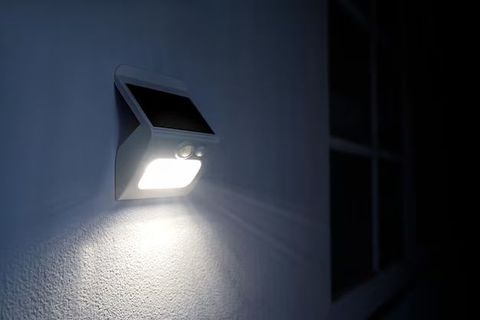
There are several types of motion sensor technologies, including passive infrared (PIR), ultrasonic, and microwave sensors. Each type detects movement differently, but all serve the same purpose: to automate lighting based on presence. Over time, these systems have become more compact, accurate, and adaptable to different environments.
Today, motion sensor lighting is used in residential buildings, commercial facilities, and urban infrastructure. It plays a role in safety, accessibility, and energy management, making it a common feature in modern lighting systems.
Importance
Motion sensor lighting is important because it helps address everyday challenges related to energy use, safety, and convenience. Many spaces do not require continuous lighting, yet lights are often left on due to forgetfulness or lack of automation. Motion sensors reduce this inefficiency by ensuring lights are used only when needed.
For households, this technology supports better energy management. Lights in areas such as bathrooms, corridors, and outdoor entrances can automatically turn off when not in use. This reduces electricity consumption and helps extend the lifespan of lighting fixtures.
In terms of safety, motion sensor lighting improves visibility in dark or low-light areas. Outdoor lighting that activates upon movement can help reduce the risk of accidents on walkways or staircases. It can also alert occupants to activity around a property.
Workplaces and public spaces also benefit from this technology. Offices, warehouses, and parking facilities often use motion sensor lighting to manage lighting in large areas. This approach ensures that lighting is available when needed while avoiding unnecessary energy use in unoccupied zones.
Some key benefits include:
- Energy efficiency: lights operate only when motion is detected
- Convenience: no need for manual switching in frequently used areas
- Safety: improved visibility in dark spaces
- Maintenance support: reduced wear on lighting systems due to controlled usage
Recent Updates
Recent developments in motion sensor lighting have focused on improving accuracy, connectivity, and integration with broader smart systems. Advances in sensor technology have reduced false triggers caused by pets, small objects, or environmental changes.
One noticeable trend is the integration of motion sensor lighting with smart home systems. Many lighting setups can now connect to mobile applications or central control hubs. This allows users to adjust sensitivity, timing, and brightness levels remotely.
Another update involves adaptive lighting systems. These systems can adjust brightness based on both motion and ambient light levels. For example, lights may remain dim during low activity and increase brightness when movement is detected.
Energy efficiency standards have also influenced product design. Manufacturers are developing lighting systems that work efficiently with LED technology, which consumes less power compared to traditional bulbs.
In urban environments, motion sensor lighting is being used in street lighting and public infrastructure. Smart city initiatives are incorporating sensors to manage lighting dynamically, helping reduce overall energy demand.
Laws or Policies
Motion sensor lighting is influenced by energy efficiency regulations and building standards in many countries. These rules aim to reduce energy consumption and promote sustainable practices in residential and commercial construction.
In India, energy-related policies are guided by organizations such as the Bureau of Energy Efficiency (BEE). While motion sensor lighting is not always mandatory, it is encouraged in energy-efficient building designs. Some building codes recommend automated lighting systems in common areas to reduce electricity usage.
Urban development guidelines may also include provisions for automated lighting in public spaces. These guidelines support safer environments while maintaining efficient energy use.
In commercial buildings, compliance with energy conservation standards often includes the use of automated lighting controls. Motion sensors are one of the methods used to meet these requirements.
Key policy-related aspects include:
- Encouragement of energy-efficient lighting systems
- Inclusion of automated controls in building design guidelines
- Alignment with sustainability and energy conservation goals
- Use in public infrastructure planning
Tools and Resources
There are several tools and resources that help individuals and organizations understand, plan, and implement motion sensor lighting systems. These tools support decision-making and system configuration.
Online lighting calculators can estimate energy savings based on usage patterns. These tools allow users to compare traditional lighting with motion-activated systems.
Smart home platforms provide control interfaces for motion sensor lighting. These platforms enable users to adjust settings such as detection range, delay time, and brightness levels.
Manufacturers often provide installation guides and configuration manuals. These resources explain how to position sensors, connect wiring, and optimize performance.
Common tools and resources include:
- Energy usage calculators for lighting systems
- Smart home control applications for automation settings
- Installation guides from lighting manufacturers
- Building design templates that include automated lighting layouts
Example Comparison of Motion Sensor Types
| Sensor Type | Detection Method | Common Use Areas | Key Characteristic |
|---|---|---|---|
| Passive Infrared | Detects body heat | Homes, hallways | Energy efficient and reliable |
| Ultrasonic | Uses sound waves | Offices, indoor spaces | Detects small movements |
| Microwave | Uses electromagnetic waves | Outdoor areas, security | Covers larger areas |
This table highlights how different sensor types function and where they are typically applied. Choosing the appropriate type depends on the environment and specific requirements.
FAQs
What is motion sensor lighting and how does it work?
Motion sensor lighting is a system that turns lights on or off based on detected movement. Sensors identify changes in heat, sound, or electromagnetic waves and trigger the lighting accordingly.
Where is motion sensor lighting commonly used?
Motion sensor lighting is used in homes, offices, parking areas, staircases, and outdoor spaces. It is particularly useful in areas where lighting is needed intermittently.
Does motion sensor lighting help reduce energy consumption?
Yes, motion sensor lighting reduces unnecessary energy use by ensuring lights are only active when movement is detected. This helps manage electricity usage more efficiently.
What are the main types of motion sensor lighting technology?
The main types include passive infrared (PIR), ultrasonic, and microwave sensors. Each type detects motion differently and is suited to specific environments.
Can motion sensor lighting be integrated with smart systems?
Many modern motion sensor lighting systems can connect with smart home platforms. This allows users to control settings and monitor lighting through mobile applications or central systems.
Conclusion
Motion sensor lighting provides a practical way to manage lighting based on activity. It combines convenience, safety, and energy efficiency in a single system. Advances in technology have improved its accuracy and adaptability across different environments. Policies and design guidelines continue to support its use in both residential and commercial spaces. As lighting systems evolve, motion sensors remain an important component in efficient and automated environments.