Guide to Spraying Drones: Working Principles, Coverage Methods, and Safety Knowledge
Spraying drones, also known as agricultural spraying drones, are unmanned aerial vehicles designed to distribute liquids such as water, fertilizers, or crop protection solutions over fields. These systems emerged from the broader development of drone technology, which initially focused on aerial photography and mapping. Over time, their ability to carry payloads and follow precise flight paths made them useful for agricultural applications.
The idea behind spraying drones is to improve the way fields are treated by combining automation, positioning systems, and controlled spraying mechanisms. Instead of relying entirely on manual labor or large ground equipment, these drones can operate above crops and apply substances in targeted areas. This approach helps address challenges like uneven terrain, limited accessibility, and the need for consistent coverage.
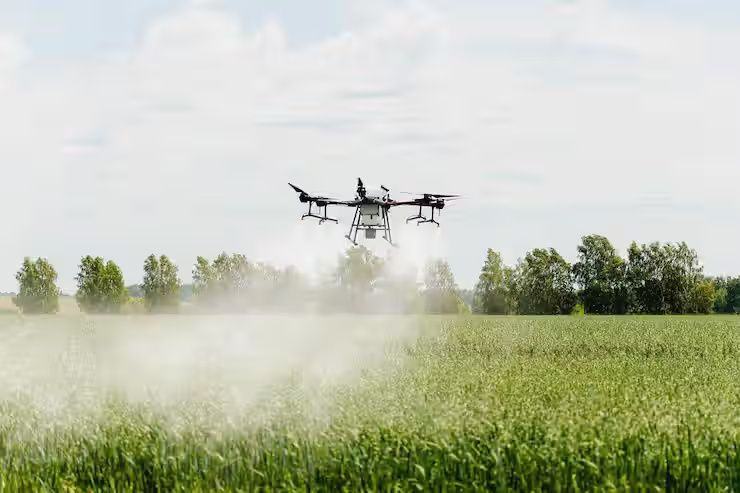
Spraying drones typically include components such as a tank, nozzles, pumps, sensors, and navigation systems. Together, these parts allow the drone to measure distance, adjust spray rates, and maintain stable flight. The integration of technologies like GPS and mapping software enables users to plan routes and ensure accurate application.
Importance
The use of spraying drones has become more relevant as agriculture faces increasing pressure to improve efficiency and reduce waste. Farmers and land managers often deal with large areas, changing weather conditions, and the need to manage resources carefully. Traditional spraying methods can sometimes lead to uneven distribution or excessive use of inputs.
Spraying drones help address several real-world challenges. First, they allow for targeted application, which can reduce overuse of chemicals and limit environmental impact. Second, they improve accessibility in areas where ground machinery may struggle, such as wet fields, steep slopes, or densely planted crops. Third, they can reduce the physical strain associated with manual spraying.
For everyday people, the importance of this technology extends beyond farming. Efficient agricultural practices contribute to stable food production and resource management. By improving how crops are treated, spraying drones indirectly support food systems and environmental sustainability.
Another important factor is time management. With the ability to cover large areas quickly, spraying drones can help complete tasks within shorter windows, which is especially useful when weather conditions are unpredictable. This flexibility can make a difference in maintaining crop health.
Recent Updates
In recent years, spraying drone technology has continued to evolve with improvements in automation, battery performance, and data integration. One noticeable trend is the increasing use of artificial intelligence to optimize flight paths and spraying patterns. These systems can analyze field data and adjust operations in real time.
Another development is the enhancement of coverage methods. Modern spraying drones are designed to create more uniform droplet sizes and reduce drift. This helps ensure that the intended area receives the correct amount of liquid while minimizing unintended spread to nearby regions.
Battery technology has also improved, allowing drones to operate for longer durations or carry slightly heavier payloads. Some systems now support quick battery swapping, which helps maintain continuous operation in large fields.
There is also a growing focus on integrating spraying drones with digital agriculture platforms. These platforms collect data from sensors, satellites, and field reports to create detailed maps. Spraying drones can then use this information to apply treatments only where needed, supporting precision agriculture practices.
Additionally, awareness around safety and training has increased. More structured guidelines and educational resources are becoming available to help users understand safe operation and maintenance.
Laws or Policies
The use of spraying drones is shaped by aviation and agricultural regulations, which vary by country. In India, drone operations are governed by rules established by the Directorate General of Civil Aviation (DGCA). These rules define how drones can be registered, where they can be flown, and what permissions are required.
Operators are typically required to follow guidelines related to airspace usage. For example, certain zones may restrict or prohibit drone flights, especially near airports or sensitive areas. Registration of drones and obtaining unique identification numbers are also part of compliance requirements.
In the agricultural context, additional considerations may apply. These can include guidelines on the use of chemicals, environmental protection measures, and safety protocols. Authorities may specify how spraying activities should be conducted to minimize risks to people, animals, and nearby ecosystems.
Training and certification are also important aspects of regulation. Individuals operating spraying drones may need to complete training programs to understand flight controls, emergency procedures, and safe handling of materials. This helps ensure that operations are carried out responsibly.
Policies are gradually evolving to support the adoption of drone technology while maintaining safety and accountability. Governments are also exploring frameworks that encourage innovation while ensuring compliance with environmental and aviation standards.
Tools and Resources
A variety of tools and resources support the effective use of spraying drones. These tools help with planning, monitoring, and analyzing operations.
Flight planning software plays a central role. These platforms allow users to map fields, set boundaries, and define flight paths. They can calculate coverage areas and estimate the amount of liquid required for a specific task.
Mapping and data platforms are also useful. They provide satellite imagery and field data that can be used to identify areas requiring attention. By combining this information with spraying drones, users can focus on specific zones rather than treating entire fields uniformly.
Sensors and monitoring systems help track environmental conditions such as wind speed, temperature, and humidity. These factors influence how liquids are dispersed and can affect the effectiveness of spraying.
Maintenance tools and checklists are important for ensuring that drones remain in good working condition. Regular inspections of components like nozzles, pumps, and batteries help prevent malfunctions during operation.
Below is a simple overview of common components and their functions:
| Component | Function Description |
|---|---|
| Tank | Holds the liquid to be sprayed |
| Nozzles | Distribute liquid into fine droplets |
| Pump | Controls the flow rate of the liquid |
| GPS System | Guides the drone along planned routes |
| Sensors | Monitor altitude, obstacles, and environmental factors |
| Battery | Powers the drone and its systems |
Understanding these components helps users operate spraying drones more effectively and safely.
FAQs
What is a spraying drone and how does it work?
A spraying drone is an unmanned aerial vehicle equipped with a tank, pump, and nozzles to distribute liquids over crops or land. It works by following a pre-planned route using GPS and sensors, ensuring even and controlled application.
What are the main spraying drone coverage methods?
Common coverage methods include grid-based spraying for uniform areas, targeted spraying for specific zones, and variable rate application where the amount of liquid changes based on field conditions. These methods help improve efficiency and reduce waste.
What safety knowledge is important when using spraying drones?
Important safety knowledge includes understanding weather conditions, maintaining proper distance from people and structures, and handling liquids carefully. Regular equipment checks and awareness of local regulations also play a key role in safe operation.
Are spraying drones allowed in all areas?
No, spraying drones are subject to aviation and local regulations. Certain areas may have restrictions, and operators often need to follow guidelines related to registration, airspace usage, and safety practices.
How do spraying drones support modern agriculture?
Spraying drones support modern agriculture by enabling precise application of liquids, reducing manual effort, and improving resource management. They are often used alongside digital tools to enhance decision-making and field monitoring.
Conclusion
Spraying drones represent a significant development in the way agricultural tasks are performed. By combining automation, navigation systems, and controlled spraying mechanisms, they offer a more precise approach to managing fields. Their importance lies in addressing challenges related to efficiency, accessibility, and resource use. As technology and regulations continue to evolve, spraying drones are becoming an integral part of modern agricultural practices.