Guide to GPS Vehicle Tracking: How Real-Time Tracking Systems Improve Fleet Visibility
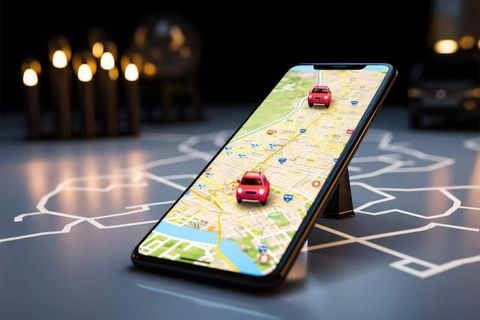
GPS vehicle tracking refers to the use of satellite-based positioning and digital communication to monitor the location and movement of vehicles in real time. This concept is built on the Global Positioning System (GPS), originally developed for navigation and mapping. Over time, it has been adapted for transportation, logistics, and fleet operations to improve visibility and coordination.
A real-time tracking system typically includes a GPS device installed in a vehicle, software to collect and display location data, and a communication network that transmits information. These systems allow users to see where vehicles are at any given moment, along with details such as speed, route history, and stop durations.
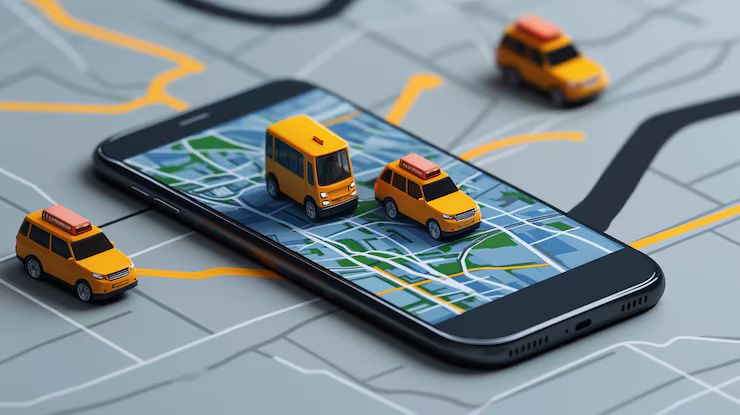
The rise of connected technologies and mobile networks has made GPS vehicle tracking more accessible across industries. From small delivery operations to large transport networks, organizations now rely on real-time tracking systems to understand how vehicles are being used and how efficiently routes are managed.
For general users, this technology may also appear in personal navigation tools, ride-sharing apps, and vehicle safety features. The purpose remains consistent: to provide accurate, timely information about vehicle movement and location.
Importance
Improving fleet visibility
Fleet visibility is one of the main reasons GPS vehicle tracking is widely used. Knowing where each vehicle is helps reduce uncertainty in operations. Managers can monitor routes, identify delays, and ensure that vehicles are following planned paths.
This level of visibility supports better planning and coordination. For example, if a delivery vehicle encounters traffic, adjustments can be made quickly. This reduces disruptions and improves overall efficiency.
Enhancing safety and accountability
Real-time tracking systems also play a role in improving safety. By monitoring speed, driving patterns, and route adherence, organizations can identify unsafe behaviors and take corrective action.
Accountability is another important aspect. When vehicle activity is recorded, it becomes easier to review incidents, verify timelines, and understand what happened during a specific trip.
Supporting operational efficiency
GPS vehicle tracking helps optimize routes and reduce unnecessary travel. This can lead to better fuel usage and less wear on vehicles. Over time, these improvements contribute to smoother operations.
Common operational benefits include:
- Route optimization: Identifying shorter or less congested paths
- Reduced idle time: Monitoring how long vehicles remain stationary
- Better scheduling: Coordinating pickups and deliveries more effectively
- Maintenance planning: Tracking usage to plan servicing intervals
Meeting customer expectations
In many industries, customers expect accurate delivery timelines and updates. Real-time tracking systems make it possible to share location updates and estimated arrival times.
This transparency helps build trust and reduces uncertainty for customers waiting for goods or transport.
Recent Updates
Integration with advanced technologies
Recent developments in GPS vehicle tracking include integration with technologies such as artificial intelligence and data analytics. These tools help analyze large volumes of tracking data to identify patterns and improve decision-making.
For example, predictive analytics can estimate delays based on traffic trends, while machine learning models can suggest route adjustments based on past performance.
Expansion of IoT connectivity
The growth of the Internet of Things (IoT) has expanded the capabilities of real-time tracking systems. Vehicles can now be connected to multiple sensors that monitor fuel levels, engine health, and environmental conditions.
This creates a more comprehensive view of fleet operations beyond just location tracking.
Increased focus on data privacy
As tracking systems collect detailed movement data, there is growing attention on how this information is stored and used. Organizations are placing more emphasis on data protection, transparency, and compliance with privacy regulations.
Cloud-based platforms
Many GPS vehicle tracking solutions now use cloud-based platforms. These systems allow users to access tracking data from different devices, including smartphones and computers, without requiring complex local infrastructure.
Example of tracking data usage
| Feature | Description | Practical Use Case |
|---|---|---|
| Real-time location | Shows current position of a vehicle | Monitoring deliveries in transit |
| Route history | Records past travel paths | Reviewing completed trips |
| Speed tracking | Monitors vehicle speed | Identifying unsafe driving patterns |
| Idle time reporting | Tracks stationary periods | Reducing fuel waste |
| Alerts and notifications | Sends updates based on set conditions | Notifying delays or route deviations |
Laws or Policies
Data protection and privacy regulations
GPS vehicle tracking involves collecting location data, which may be considered personal or sensitive information in some cases. Many countries have data protection laws that regulate how this information is handled.
Key principles often include:
- Informing drivers or users about tracking practices
- Collecting only necessary data
- Securing stored information against unauthorized access
- Allowing individuals to understand how their data is used
Transportation and compliance requirements
In certain regions, transport authorities require tracking systems for specific types of vehicles, such as commercial transport or hazardous goods carriers. These requirements are intended to improve safety and ensure compliance with operational standards.
Workplace policies
Organizations that use GPS vehicle tracking for employees must follow workplace guidelines. This may include clearly communicating tracking policies and ensuring that monitoring is limited to work-related activities.
Regional considerations
In countries like India, digital regulations and transport policies continue to evolve. Authorities may introduce guidelines related to vehicle tracking for public safety, logistics management, and urban planning.
Understanding these policies helps ensure that GPS vehicle tracking is used responsibly and within legal boundaries.
Tools and Resources
Tracking software platforms
Various digital platforms are available to support GPS vehicle tracking. These platforms typically provide dashboards that display vehicle locations, route history, and performance metrics.
Common features include:
- Real-time maps showing vehicle positions
- Reporting tools for analyzing trips and usage
- Alerts for speed, route deviations, or extended stops
- Integration with mobile apps for remote access
Navigation and mapping tools
Mapping tools are an important part of real-time tracking systems. They provide visual representations of routes and help interpret location data.
Examples of useful capabilities:
- Traffic updates for route planning
- Distance calculations between points
- Geographic boundaries for monitoring specific areas
Data analysis tools
As tracking systems generate large amounts of data, analysis tools help convert this information into useful insights. These tools can identify trends, measure efficiency, and support decision-making.
Templates and documentation
Organizations often use templates to manage tracking-related processes. These may include:
- Vehicle usage logs
- Maintenance schedules
- Incident reporting forms
- Driver behavior records
Having structured documentation helps maintain consistency and supports compliance with policies.
FAQs
What is GPS vehicle tracking and how does it work?
GPS vehicle tracking uses satellite signals to determine a vehicle’s location and transmits that data to a digital platform. A real-time tracking system then displays this information, allowing users to monitor movement and activity.
How do real-time tracking systems improve fleet visibility?
Real-time tracking systems provide continuous updates on vehicle locations, routes, and performance. This helps managers understand where vehicles are, identify delays, and coordinate operations more effectively.
Is GPS vehicle tracking only used for large fleets?
No, GPS vehicle tracking can be used for fleets of different sizes, including small operations and even individual vehicles. The technology is adaptable and can be scaled based on needs.
Does GPS tracking affect driver privacy?
GPS tracking may raise privacy considerations, especially when it involves personal data. Organizations are expected to follow data protection rules, inform users about tracking, and limit monitoring to relevant activities.
What information can a real-time tracking system provide?
A real-time tracking system can provide details such as:
- Current location of the vehicle
- Travel routes and history
- Speed and driving patterns
- Duration of stops and idle time
- Alerts for specific conditions
Conclusion
GPS vehicle tracking has become an important tool for understanding vehicle movement and improving fleet visibility. By using real-time tracking systems, organizations can monitor operations, enhance safety, and manage resources more effectively. Recent developments have expanded the capabilities of these systems through data analysis and connected technologies. At the same time, laws and policies continue to shape how tracking data is used and protected. Overall, the technology provides a structured way to observe and manage vehicle activity in various settings.