Guide to Smart Door & Window Robots: Technology, Security Benefits, and Practical Applications
Smart door and window robots are automated systems designed to open, close, lock, or monitor doors and windows using sensors, motors, and digital controls. These devices are part of the broader field of home automation, where everyday household functions are managed through connected technology. They often integrate with mobile applications, voice assistants, or centralized control systems to provide remote access and monitoring.
The concept emerged from advancements in robotics, the Internet of Things (IoT), and smart home ecosystems. Early automation focused on lighting and temperature, but over time, attention shifted toward entry points like doors and windows due to their role in safety and energy management. Today, these systems are used in homes, offices, and industrial spaces.
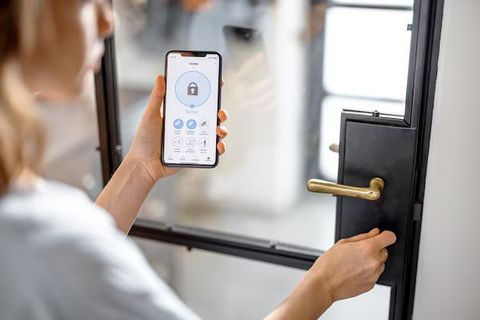
Smart door and window robots can include features such as motion detection, timed operation, environmental sensing, and remote locking or unlocking. Some systems also connect to cameras or alarms, allowing users to monitor entry points in real time.
Importance
Enhancing Everyday Safety
One of the primary reasons these technologies are gaining attention is their role in improving security. Doors and windows are common entry points, and automation allows users to monitor and control them even when they are not physically present. For example, remote locking can help ensure that doors are secured, while sensors can detect unusual activity.
Supporting Energy Efficiency
Smart window systems can adjust openings based on temperature, humidity, or air quality. This helps regulate indoor environments and may reduce reliance on heating or cooling systems. Automated ventilation can improve comfort while maintaining energy awareness.
Assisting Accessibility
These systems can also support individuals with mobility challenges. Automated doors and windows reduce the need for manual operation, making it easier to manage daily tasks. Voice commands or app-based controls can simplify interactions with household infrastructure.
Addressing Modern Living Needs
As urban living spaces become more compact and connected, managing multiple functions through a single interface becomes practical. Smart door and window robots contribute to this by integrating with broader smart home systems, allowing centralized control of multiple devices.
Recent Updates
Integration with AI and Machine Learning
Recent developments show increased use of artificial intelligence to improve system behavior. Devices can learn user habits, such as typical opening times or preferred ventilation patterns, and adjust automatically. This reduces the need for manual input and enhances convenience.
Improved Connectivity Standards
New communication protocols have made it easier for devices to connect securely and reliably. Technologies like Matter and enhanced Wi-Fi standards are enabling better interoperability between devices from different manufacturers.
Focus on Data Privacy
There is growing attention on how user data is collected and stored. Manufacturers are incorporating stronger encryption methods and giving users more control over data sharing. This reflects a broader trend in digital technology toward transparency and privacy.
Expansion into Commercial Use
While initially designed for residential use, these systems are increasingly being adopted in offices, warehouses, and public buildings. Automated entry systems can support controlled access, scheduling, and monitoring in larger environments.
Laws or Policies
Data Protection Regulations
In many countries, including India, data protection laws influence how smart devices operate. These laws require that personal data collected by devices, such as usage patterns or access logs, be handled responsibly. Users are often given options to manage permissions and data storage.
Building and Safety Standards
Smart door and window robots must comply with building codes and safety regulations. For example, automated doors in public spaces may need to include manual override options to ensure safe operation during emergencies.
Wireless Communication Rules
Devices that use wireless communication must follow guidelines set by regulatory bodies. These rules ensure that devices do not interfere with other communication systems and operate within approved frequency ranges.
Import and Certification Requirements
In India, electronic devices may need certification from regulatory authorities before being distributed. This ensures that products meet safety and performance standards.
Tools and Resources
Mobile Applications
Many smart door and window systems are controlled through mobile apps. These apps allow users to:
- Monitor door and window status in real time
- Receive alerts for unusual activity
- Set schedules for opening or closing
- Control devices remotely
Smart Home Platforms
Platforms like centralized home automation systems enable integration with multiple devices. These platforms can connect lighting, security, and climate systems, allowing coordinated operation.
Sensors and Controllers
Common components used in these systems include:
- Motion sensors for detecting movement
- Contact sensors for identifying open or closed states
- Environmental sensors for temperature and humidity
- Motorized controllers for physical operation
Comparison Table of Common Features
| Feature | Description | Typical Use Case |
|---|---|---|
| Remote Access | Control via smartphone or web interface | Managing entry points while away |
| Motion Detection | Identifies movement near doors or windows | Security monitoring |
| Scheduled Operation | Opens or closes at set times | Daily routines |
| Environmental Sensing | Adjusts based on temperature or air quality | Ventilation management |
| Voice Control Integration | Works with voice assistants | Hands-free operation |
| Manual Override | Allows physical control when needed | Safety and reliability |
Online Learning Resources
Educational platforms and forums provide guidance on installation, configuration, and troubleshooting. These resources help users understand how to set up and maintain their systems effectively.
FAQs
What are smart door and window robots?
Smart door and window robots are automated systems that control the opening, closing, and locking of doors and windows using sensors, motors, and digital interfaces. They are often part of a larger smart home setup.
How do smart door robots improve home security?
Smart door robots improve security by enabling remote locking, real-time monitoring, and alert notifications. They can also integrate with cameras and alarm systems to provide additional awareness of entry points.
Are smart window robots useful for energy management?
Yes, smart window robots can adjust ventilation based on environmental conditions. This helps regulate indoor temperature and may reduce the need for constant heating or cooling.
Can smart door and window robots work without internet access?
Some systems can operate locally using pre-set schedules or manual controls. However, features like remote access and real-time alerts typically require an internet connection.
Are smart door and window robots difficult to install?
Installation complexity varies depending on the system. Some devices are designed for simple setup, while others may require professional installation, especially in larger or more complex environments.
Conclusion
Smart door and window robots represent a growing area of home and building automation. They combine sensors, connectivity, and mechanical components to manage entry points efficiently. These systems address practical needs such as security, energy use, and accessibility. As technology continues to evolve, their role in everyday environments is likely to expand. Understanding how they work helps users make informed decisions about their use and integration.