Guide to Ice Cream Making Machines: Technology, Features, and Operational Details
Ice cream making machines are devices designed to transform a mixture of ingredients into a smooth, frozen dessert through controlled cooling and mixing. These machines have evolved from simple hand-cranked models to advanced automated systems used in homes, restaurants, and food production facilities. The basic concept dates back centuries, when ice and salt were used to lower temperatures and freeze sweet mixtures.
Modern ice cream making machines combine refrigeration technology, mechanical mixing, and digital controls to achieve consistent texture and flavor. They are used to produce a wide range of frozen desserts, including traditional ice cream, soft serve, gelato, and frozen yogurt. Understanding how these machines work helps users make informed decisions about usage, maintenance, and output quality.
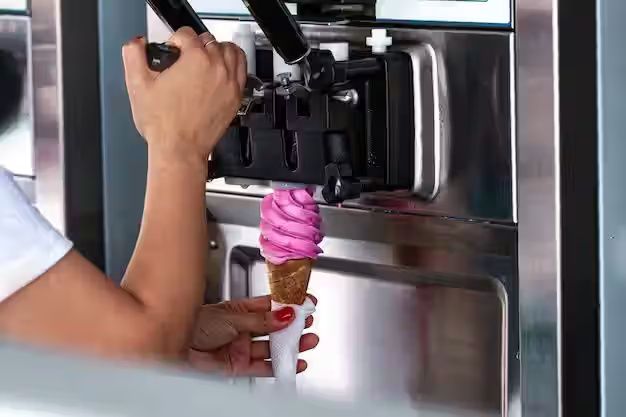
Ice cream making machines vary in size, capacity, and operational complexity. Some are compact and designed for occasional household use, while others are built for continuous production in commercial settings. Regardless of type, they all rely on the same core principles of freezing and agitation to create a uniform product.
Importance
Ice cream making machines play an important role in both small-scale and large-scale food preparation. They enable consistent production, which is essential for maintaining quality across batches. For households, these machines provide a way to control ingredients and experiment with flavors.
In commercial environments, ice cream making machines help streamline production and reduce manual effort. Businesses that prepare frozen desserts rely on these machines to maintain hygiene standards and ensure uniform texture. Consistency is particularly important when serving customers, as variations in texture or temperature can affect the overall experience.
These machines also address practical challenges such as:
- Temperature control: maintaining precise cooling levels to prevent ice crystals
- Texture consistency: ensuring smooth and creamy results through continuous mixing
- Time efficiency: reducing preparation time compared to manual methods
- Ingredient customization: allowing users to adjust recipes for dietary preferences
As dietary awareness grows, many users are interested in controlling sugar content, dairy alternatives, or flavor combinations. Ice cream making machines support this flexibility by enabling customized preparation.
Recent Updates
Recent developments in ice cream making machines focus on automation, energy efficiency, and user-friendly controls. Many modern machines now include digital interfaces that allow users to select specific modes for different types of frozen desserts. These interfaces often display temperature, mixing time, and progress indicators.
Another trend is the integration of smart features. Some machines can connect to mobile applications, enabling remote monitoring or recipe guidance. This is particularly useful in commercial settings where multiple batches are prepared throughout the day.
Energy efficiency has also become a key consideration. Newer models are designed to reduce power consumption while maintaining consistent performance. Improved insulation and compressor technology contribute to this trend.
In addition, manufacturers are focusing on compact designs that fit into smaller kitchens without compromising functionality. This is especially relevant for urban households and small food businesses.
There is also increased attention to hygiene and ease of cleaning. Removable components, dishwasher-safe parts, and simplified internal structures help reduce maintenance effort and support food safety practices.
Laws or Policies
Ice cream making machines are subject to various food safety and equipment regulations, particularly in commercial environments. In India, guidelines are influenced by standards set by the Food Safety and Standards Authority of India (FSSAI). These guidelines focus on hygiene, safe handling of ingredients, and proper storage conditions.
Commercial operators must ensure that machines are cleaned regularly and that all surfaces in contact with food are made from safe, non-reactive materials. Stainless steel is commonly used for this purpose due to its durability and resistance to contamination.
Electrical safety standards also apply to ice cream making machines. These standards ensure that machines operate safely under different conditions and reduce the risk of electrical hazards. Certification marks indicate compliance with national safety requirements.
Environmental policies may also influence machine design, particularly in terms of refrigerants used in cooling systems. Many newer machines use environmentally safer refrigerants to reduce impact on the environment.
For users, understanding these regulations helps ensure that machines are used responsibly and in compliance with local requirements.
Tools and Resources
Several tools and resources can help users better understand and operate ice cream making machines effectively. These include digital platforms, measurement tools, and instructional materials.
Common resources include:
- Recipe calculators: tools that help adjust ingredient quantities based on serving size
- Temperature guides: reference charts for optimal freezing and storage conditions
- Instruction manuals: detailed guides provided by manufacturers for setup and maintenance
- Food safety guidelines: official documents outlining hygiene practices
- Online tutorials: step-by-step demonstrations of machine operation and cleaning
Below is a simple comparison table of different types of ice cream making machines:
| Machine Type | Cooling Method | Capacity Range | Typical Use Case |
|---|---|---|---|
| Manual (Hand-cranked) | Ice and salt | Small | Occasional home use |
| Compressor-based | Built-in refrigeration | Medium to large | Frequent home or small shops |
| Pre-freeze bowl | Freezer-dependent | Small to medium | Home kitchens |
| Soft serve machines | Continuous freezing | Medium to large | Cafes and dessert outlets |
| Industrial machines | High-capacity systems | Large | Mass production facilities |
Each type has its own operational characteristics. For example, compressor-based machines allow continuous use without pre-freezing components, while pre-freeze bowl machines require preparation time before use.
Users may also benefit from digital thermometers and timers to monitor the freezing process more accurately. These tools help maintain consistency and reduce the risk of over-freezing or under-mixing.
FAQs
What are ice cream making machines and how do they work?
Ice cream making machines are devices that freeze and mix ingredients simultaneously to produce a smooth frozen dessert. They work by lowering the temperature of the mixture while continuously stirring it to prevent large ice crystals from forming.
What types of ice cream making machines are available?
There are several types, including manual machines, compressor-based machines, pre-freeze bowl machines, soft serve machines, and industrial systems. Each type differs in cooling method, capacity, and level of automation.
How long does it take for ice cream making machines to produce ice cream?
The time required depends on the machine type and recipe. Most household machines take between 20 and 40 minutes after preparation, while larger machines may operate continuously for multiple batches.
Are ice cream making machines easy to clean?
Many modern machines are designed with removable parts that can be cleaned separately. Regular cleaning is important to maintain hygiene and ensure consistent performance.
Can ice cream making machines be used for other frozen desserts?
Yes, many machines can prepare a variety of frozen desserts such as gelato, sorbet, and frozen yogurt. Adjustments in ingredients and settings allow for different textures and flavors.
Conclusion
Ice cream making machines have evolved into versatile tools that combine cooling technology and mechanical mixing to produce consistent frozen desserts. They are used in both household and commercial settings, offering flexibility in ingredients and preparation methods. Advances in automation, energy efficiency, and design have made these machines more accessible and easier to use. Understanding their features, operation, and regulatory considerations helps users achieve reliable results. Overall, these machines continue to play a significant role in modern food preparation.