Explore Battery Recycling Machinery: Guide to Processes, Key Components, and Industry Insights
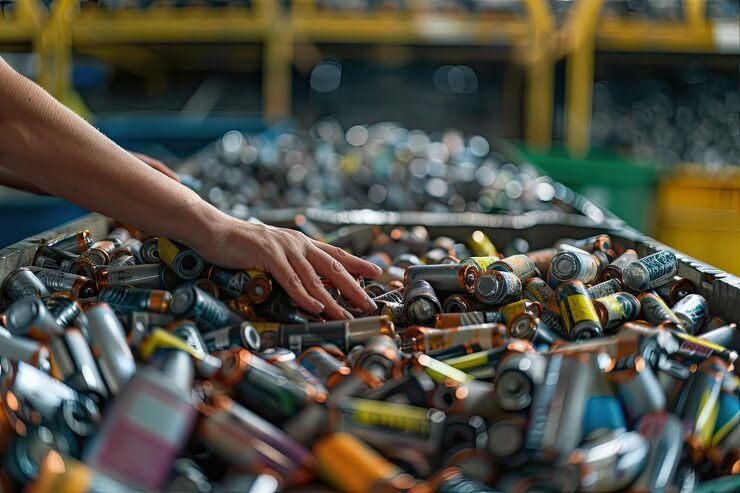
Battery recycling machinery refers to specialized equipment used to collect, sort, dismantle, and process used batteries so their materials can be recovered and reused. As modern life depends heavily on portable electronics, electric vehicles, and renewable energy storage, the number of discarded batteries has increased steadily. This has created a need for organized systems that can handle battery waste safely and efficiently.
Different types of batteries—such as lithium-ion, lead-acid, and nickel-metal hydride—require different recycling approaches. Battery recycling machinery is designed to manage these differences through controlled processes that reduce environmental risks. These systems often include shredders, separators, and chemical treatment units that help extract valuable materials like lithium, cobalt, nickel, and lead.
The development of battery recycling machinery is closely linked to environmental awareness and technological progress. As industries move toward sustainable practices, recycling systems have become an essential part of the battery lifecycle.
Importance
Battery waste contains materials that can be harmful if released into the environment. Improper disposal may lead to soil contamination, water pollution, and health risks for nearby communities. Battery recycling machinery plays a key role in reducing these risks by ensuring that batteries are processed under controlled conditions.
This topic affects a wide range of people, including households, industries, and governments. Consumers use devices powered by batteries daily, while industries rely on large-scale energy storage systems. Managing battery waste responsibly helps reduce the pressure on natural resources by recovering reusable materials.
Battery recycling machinery also supports the transition toward cleaner energy systems. As renewable energy sources like solar and wind become more common, energy storage demand increases. Recycling helps maintain a supply of critical materials without relying entirely on mining.
Some key benefits include:
- Environmental protection, reducing hazardous waste leakage
- Resource conservation, recovering metals used in battery production
- Waste management improvement, supporting organized recycling systems
- Energy efficiency, as recycled materials often require less energy to process than raw materials
Recent Updates
Recent developments in battery recycling machinery reflect growing demand for efficient and scalable solutions. One noticeable trend is the shift toward automation, where advanced sensors and robotic systems help identify and sort battery types with greater accuracy. This reduces manual handling and improves safety.
Another development involves improvements in material recovery techniques. New processes are being designed to extract higher percentages of valuable materials from used batteries. These advancements aim to make recycling more efficient and reduce material loss during processing.
The rise of electric vehicles has also influenced the evolution of battery recycling machinery. As vehicle batteries reach the end of their lifecycle, large-scale recycling systems are being developed to handle higher volumes. This has encouraged innovation in dismantling and separation technologies.
Digital monitoring systems are increasingly being integrated into recycling equipment. These systems track performance, monitor safety conditions, and provide real-time data for process optimization. This allows operators to manage recycling processes more effectively.
Laws or Policies
Battery recycling is guided by environmental regulations and waste management policies in many countries. In India, rules related to battery waste management are outlined under frameworks such as the Battery Waste Management Rules. These regulations define how batteries should be collected, transported, and processed.
Producers, importers, and users are often required to ensure that used batteries are returned to authorized collection systems. Extended Producer Responsibility (EPR) is a key concept, where manufacturers are responsible for managing the end-of-life disposal of their products.
Regulations also emphasize safe handling and storage of used batteries. Recycling facilities must follow guidelines to prevent leaks, fires, and chemical exposure. Battery recycling machinery must meet safety and environmental standards to operate within these frameworks.
Internationally, similar policies exist to control hazardous waste and promote recycling. These regulations aim to create a structured system that encourages responsible battery disposal and supports the development of recycling infrastructure.
Tools and Resources
Several tools and resources support the understanding and operation of battery recycling machinery. These include technical platforms, data systems, and industry guidelines that help improve efficiency and compliance.
Some commonly used resources include:
- Technical documentation, providing specifications for machinery components and processes
- Monitoring software, tracking performance and safety conditions in recycling systems
- Industry reports, offering insights into recycling trends and material recovery rates
- Government portals, sharing guidelines and compliance requirements for battery waste management
- Educational platforms, explaining recycling processes and environmental impacts
Key Components of Battery Recycling Machinery
Battery recycling systems typically consist of several interconnected components. Each plays a specific role in the recycling process:
- Shredding units, breaking batteries into smaller pieces for further processing
- Sorting systems, separating materials based on size, weight, or magnetic properties
- Crushing equipment, reducing material size to improve separation efficiency
- Separation units, isolating metals, plastics, and other materials
- Chemical processing systems, extracting valuable elements through controlled reactions
Basic Recycling Process Overview
The recycling process generally follows a sequence of steps:
- Collection and transportation, gathering used batteries from various sources
- Sorting and classification, identifying battery types for appropriate processing
- Mechanical processing, including shredding and crushing
- Material separation, isolating reusable components
- Refinement, purifying extracted materials for reuse
Example Material Recovery Table
Below is a simplified table showing common materials recovered from different battery types:
| Battery Type | Recovered Materials | Common Uses After Recycling |
|---|---|---|
| Lithium-ion | Lithium, cobalt, nickel | New batteries, electronics |
| Lead-acid | Lead, plastic | Automotive batteries, construction |
| Nickel-metal hydride | Nickel, rare earth metals | Hybrid vehicles, industrial uses |
FAQs
What is battery recycling machinery used for?
Battery recycling machinery is used to process used batteries and recover valuable materials. It helps reduce environmental impact by safely handling hazardous components and enabling material reuse.
How does battery recycling machinery work?
Battery recycling machinery works through a series of steps, including shredding, sorting, and material separation. Each stage is designed to extract reusable materials while minimizing waste and environmental risk.
Why is battery recycling machinery important?
Battery recycling machinery is important because it helps manage growing battery waste. It reduces pollution, conserves resources, and supports sustainable manufacturing practices.
What types of batteries can be processed using battery recycling machinery?
Different types of batteries, including lithium-ion, lead-acid, and nickel-based batteries, can be processed. Each type requires specific methods due to differences in composition and structure.
Are there regulations for using battery recycling machinery?
Yes, regulations exist to ensure safe and environmentally responsible recycling. These rules define how batteries should be handled and processed, and they set standards for recycling facilities and equipment.
Conclusion
Battery recycling machinery plays a vital role in managing the increasing volume of battery waste generated by modern technology. It supports environmental protection by safely processing hazardous materials and recovering valuable resources. Advances in automation and material recovery continue to improve the efficiency of recycling systems. Regulations and structured policies further guide responsible practices in this field. Understanding these systems helps highlight their importance in building a more sustainable approach to energy storage and usage.