Guide to Biogas Plants: Working Principles, Feedstock Types, and Environmental Impact
Biogas plants are systems designed to convert organic waste into usable energy through a natural biological process. This process is known as anaerobic digestion, where microorganisms break down biodegradable materials such as food scraps, agricultural residue, and animal manure in the absence of oxygen. The result is biogas, a mixture primarily composed of methane and carbon dioxide, along with a nutrient-rich byproduct called digestate.
The concept of using organic waste for energy is not new. Traditional practices in rural areas have long involved decomposing waste for fuel or fertilizer. Modern biogas plants, however, are more structured and efficient, allowing controlled production of energy for cooking, heating, electricity, and even vehicle fuel in some cases.
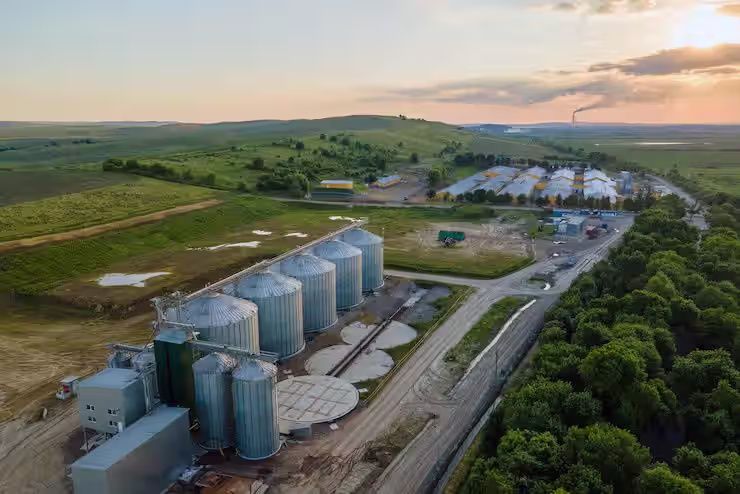
A typical biogas plant includes components such as a digester tank, an inlet for feedstock, an outlet for digestate, and a gas collection system. These systems can vary in size, from small household units to larger community or industrial setups.
Understanding how biogas plants work, the types of materials used as feedstock, and their environmental impact helps explain their growing relevance in energy and waste management discussions.
Importance
Biogas plants address several real-world challenges related to waste disposal, energy access, and environmental sustainability. Organic waste, if left unmanaged, can produce harmful emissions and contribute to pollution. By converting this waste into energy, biogas plants provide a structured way to manage resources more efficiently.
One of the key benefits is reducing dependence on conventional fossil fuels. Biogas serves as a renewable energy source that can be produced locally. This is particularly useful in rural or semi-urban areas where access to centralized energy systems may be limited.
Biogas plants also contribute to improved sanitation. Organic waste from households, farms, and markets can be processed instead of being discarded in open areas. This helps reduce odors, pests, and contamination risks.
From an environmental perspective, biogas production helps lower greenhouse gas emissions. Methane, which would otherwise escape into the atmosphere from decomposing waste, is captured and used as energy.
The importance of biogas plants can be summarized through their practical contributions:
- Waste management: transforms organic waste into useful outputs
- Energy generation: provides an alternative to conventional fuels
- Environmental protection: reduces emissions and pollution
- Agricultural support: produces digestate that can improve soil quality
Recent Updates
In recent years, biogas technology has seen gradual improvements and wider adoption. Between 2024 and 2026, the focus has shifted toward enhancing efficiency, scalability, and integration with existing energy systems.
One noticeable trend is the development of advanced anaerobic digestion systems. These systems use improved microbial cultures and optimized conditions to increase gas yield and reduce processing time. Digital monitoring tools are also being integrated to track temperature, pressure, and gas production in real time.
Another development is the growing interest in upgrading biogas to biomethane. Biomethane is a purified form of biogas that can be used similarly to natural gas. This allows for broader applications, including injection into gas grids and use as vehicle fuel.
Urban waste management strategies are increasingly incorporating biogas plants. Municipal authorities are exploring ways to process food waste from households, hotels, and markets through centralized digestion facilities.
There is also a trend toward decentralized energy systems. Small-scale biogas plants are being promoted in rural communities, allowing households and farms to manage their own waste and energy needs.
Laws or Policies
Biogas plants are influenced by environmental and energy-related policies in many countries, including India. Government programs aim to encourage renewable energy use and improve waste management practices.
In India, biogas initiatives are often linked to broader renewable energy and rural development programs. These programs provide technical guidance and sometimes financial assistance to support the installation of biogas systems in households, farms, and community settings.
Regulations also focus on waste segregation and management. Proper separation of organic waste is essential for efficient biogas production. Policies encourage households and businesses to separate biodegradable waste from other materials.
Environmental guidelines may apply to larger biogas plants, particularly those handling significant volumes of waste. These guidelines ensure that operations do not negatively affect air, water, or soil quality.
Key policy areas influencing biogas plants include:
- Renewable energy targets: encouraging alternatives to fossil fuels
- Waste management rules: promoting segregation and treatment of organic waste
- Agricultural support programs: linking digestate use to soil health initiatives
- Urban development plans: integrating waste-to-energy solutions
Tools and Resources
Several tools and resources are available to help individuals and organizations understand and implement biogas systems. These resources range from technical calculators to informational platforms.
Biogas calculators are commonly used to estimate gas production based on the type and quantity of feedstock. These tools help users understand how much energy can be generated from available waste materials.
Design templates and guides provide detailed instructions on constructing small-scale biogas plants. These guides often include diagrams, material requirements, and operational steps.
Online platforms and educational websites offer information about anaerobic digestion, feedstock types, and maintenance practices. These resources are useful for both beginners and those looking to improve existing systems.
Monitoring tools, including mobile applications and digital dashboards, are increasingly used in modern biogas plants. They allow users to track system performance and identify potential issues early.
Below is a simple table showing common feedstock types and their characteristics:
| Feedstock Type | Source Example | Gas Yield Potential | Notes |
|---|---|---|---|
| Animal manure | Cattle, poultry farms | Moderate | Widely used, stable digestion |
| Food waste | Kitchen, restaurants | High | Requires proper sorting |
| Agricultural residue | Crop waste, husk | Moderate | May need pre-treatment |
| Sewage sludge | Wastewater treatment | High | Used in large-scale plants |
| Organic market waste | Fruit and vegetable waste | High | Suitable for urban systems |
Understanding the characteristics of different feedstock types helps improve the efficiency and stability of biogas production.
FAQs
What is a biogas plant and how does it work?
A biogas plant is a system that converts organic waste into energy through anaerobic digestion. Microorganisms break down materials like food waste and manure in a sealed environment, producing biogas and digestate.
What types of feedstock are used in biogas plants?
Common feedstock types include animal manure, food waste, agricultural residue, sewage sludge, and organic market waste. The choice depends on availability and the design of the plant.
What is the environmental impact of biogas plants?
Biogas plants help reduce greenhouse gas emissions by capturing methane from decomposing waste. They also support better waste management and produce digestate that can improve soil quality.
Are biogas plants suitable for households?
Small-scale biogas plants can be used in households, especially in areas with access to organic waste such as kitchen scraps or animal manure. They provide a localized energy source for daily needs.
How is biogas different from natural gas?
Biogas is produced from organic waste through biological processes, while natural gas is a fossil fuel extracted from underground reserves. Biogas is considered renewable, whereas natural gas is not.
Conclusion
Biogas plants provide a practical approach to managing organic waste while generating renewable energy. By using anaerobic digestion, they transform everyday waste into useful resources such as biogas and digestate. Their relevance continues to grow as communities look for sustainable energy and waste solutions. Understanding their working principles, feedstock types, and environmental impact helps explain their role in modern resource management.