Generative Video Editing Explained: AI Techniques, Workflow Automation, and Creative Insights
Generative video editing explained refers to a group of artificial intelligence techniques that assist in creating, modifying, and improving video content. These methods are built on advances in machine learning, especially models trained on large collections of images, audio, and video clips. Instead of manually editing every frame, users can guide the system with text prompts, examples, or simple controls, and the system generates or adjusts visual elements.
This approach has developed from earlier forms of digital editing, where tools required detailed manual input. Over time, improvements in computing power and data availability made it possible for algorithms to understand patterns such as motion, lighting, and object shapes. Today, generative systems can simulate realistic scenes, enhance footage, or automate repetitive editing tasks.
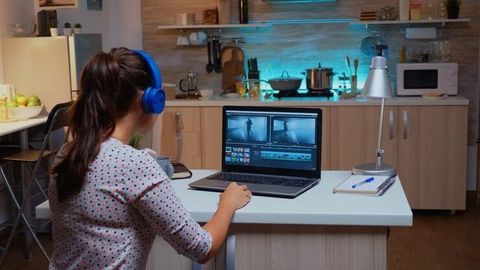
The concept exists to reduce the time and effort needed in video production while making creative tools more accessible. It also supports experimentation, allowing users to explore ideas that might otherwise require complex setups or advanced technical skills.
Importance
Generative video editing matters because video content has become a common way people communicate, learn, and share information. From educational clips to social media posts, video plays a central role in everyday digital experiences. However, traditional editing can be time-consuming and requires specific skills.
These technologies help address several challenges:
- Time constraints: Automated workflows can reduce the need for frame-by-frame adjustments
- Skill barriers: Simple interfaces allow non-experts to create and edit videos
- Creative limitations: AI-assisted tools can suggest styles, transitions, or visual elements
- Consistency issues: Automated systems can maintain uniform color, lighting, and pacing across clips
For individuals, this means easier access to content creation. For educators, it supports the development of instructional materials. For organizations, it enables more efficient communication through visual media. At the same time, it raises questions about authenticity and responsible use, especially when content is generated rather than recorded.
Recent Updates
Recent developments in generative video editing show a steady shift toward more advanced and integrated systems. Models trained on both images and video sequences can now produce smoother motion and more coherent scenes. These improvements reduce artifacts such as flickering or inconsistent object shapes.
Another trend is the combination of text and video generation. Users can describe a scene in natural language, and the system generates corresponding visuals. This has expanded creative workflows, allowing users to move from idea to draft content more quickly.
Workflow automation has also improved. Many tools now include features such as automatic scene detection, background replacement, and voice synchronization. These features reduce manual effort and help maintain consistency across projects.
There is also growing attention to ethical considerations. Developers are introducing watermarking, content labeling, and detection systems to distinguish between original and generated media. These measures aim to address concerns about misinformation and misuse.
Laws or Policies
Generative video editing is influenced by a range of laws and policies, especially those related to digital content, intellectual property, and data protection. While regulations vary by country, several common principles apply.
Copyright laws play a central role. Generated content may involve training data that includes copyrighted material, raising questions about ownership and usage rights. In many regions, the legal status of AI-generated content is still evolving, and guidelines continue to be clarified.
Data protection regulations also affect how these systems are developed and used. For example, rules may limit the use of personal data in training datasets or require transparency about how data is collected and processed.
Content regulation is another important area. Governments and platforms may require labeling of synthetic media, especially when it could influence public opinion or resemble real individuals. This includes policies addressing manipulated or misleading video content.
In India, digital policies such as the Information Technology rules provide a framework for online content and intermediary responsibilities. These rules emphasize accountability, user safety, and the need to address harmful or misleading material.
Tools and Resources
A variety of tools and platforms support generative video editing workflows. These tools differ in complexity, features, and intended users, but they often share common capabilities such as automation and AI-assisted design.
Common categories include:
- Text-to-video platforms: Allow users to generate short clips based on written descriptions
- AI video editors: Provide automated editing features like trimming, transitions, and enhancements
- Motion generation tools: Create animations or simulate camera movements
- Audio synchronization tools: Align speech with video or generate voiceovers
Some widely used platforms include:
- Runway: Offers AI-based video editing and generation features
- Adobe Premiere Pro (with AI tools): Integrates automation into traditional editing workflows
- Pictory: Focuses on transforming text into video content
- Synthesia: Generates video with virtual presenters based on text input
Below is a simplified comparison of common tool features:
| Tool Type | Key Function | Typical Use Case |
|---|---|---|
| Text-to-video systems | Generate visuals from text | Concept visualization |
| AI editing software | Automate editing tasks | Content creation workflows |
| Motion generation tools | Create animations or effects | Visual storytelling |
| Audio sync tools | Align or generate voice tracks | Narrated videos |
These tools are often used together as part of a larger workflow. For example, a user might generate initial footage using a text-based system, refine it with editing software, and then add audio using synchronization tools.
FAQs
What is generative video editing explained in simple terms?
Generative video editing explained refers to using artificial intelligence to create or modify video content. Instead of editing manually, users guide the system, which generates or adjusts visuals automatically.
How do AI techniques work in video editing?
AI techniques analyze patterns in images, motion, and sound. They use trained models to predict and generate changes, such as improving quality, adding effects, or creating entirely new scenes.
What is workflow automation in generative video editing?
Workflow automation involves using AI tools to handle repetitive editing tasks. This includes automatic cutting, scene detection, and synchronization, which helps streamline the editing process.
Can generative video editing be used by beginners?
Yes, many tools are designed with simple interfaces. They allow users with limited technical knowledge to create and edit videos using guided steps or text-based inputs.
Are there concerns related to generative video editing?
Yes, concerns include content authenticity, misuse of generated media, and intellectual property issues. Policies and guidelines are evolving to address these challenges.
Conclusion
Generative video editing explained highlights how artificial intelligence is changing the way video content is created and modified. It combines advanced algorithms with user-friendly tools to simplify complex editing tasks. While it improves efficiency and expands creative possibilities, it also introduces questions about regulation and responsible use. As technology continues to evolve, understanding its capabilities and limitations remains important for both creators and viewers.