Exploring Electric Motor Systems: Facts, Details, and Helpful Resources for Better Understanding
Electric motor systems are devices that convert electrical energy into mechanical motion. They are used in many everyday machines, including household appliances, transportation equipment, industrial machines, and electronic devices. From washing machines and ceiling fans to electric vehicles and factory equipment, these systems help transform electricity into useful movement.
The development of electric motor systems began in the nineteenth century, when scientists discovered that electricity and magnetism could work together to produce motion. Early experiments led to the creation of simple motors that demonstrated how electric current flowing through coils could generate a rotating magnetic field. Over time, engineers improved these designs, making motors more efficient and adaptable to different applications.
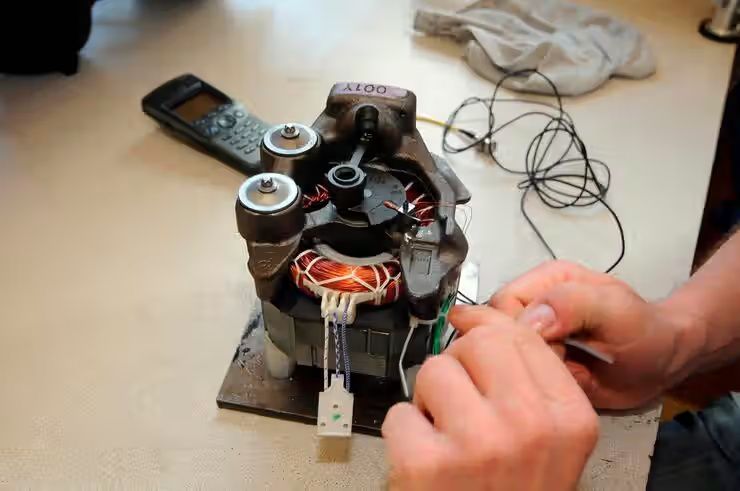
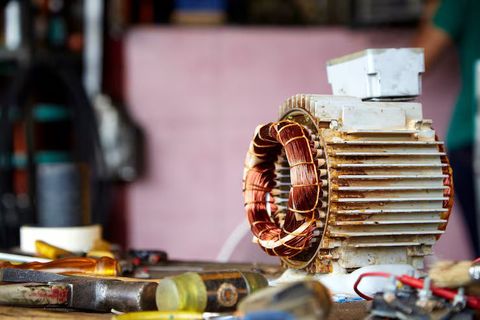
Today, electric motor systems include several components working together. These components often include the motor itself, a power source, control electronics, sensors, and mechanical parts such as gears or shafts. Together, they form a system that converts electrical input into controlled movement.
Because these systems appear in many types of technology, understanding their basic principles helps people better understand modern machines and infrastructure.
Importance
Electric motor systems play an important role in modern life because they support many everyday technologies. They help power transportation, household appliances, manufacturing equipment, and renewable energy systems.
For many households, electric motors operate quietly in devices used daily. Refrigerators use motors to run compressors, washing machines use them to spin drums, and ventilation systems rely on motors to move air. These functions make everyday living more convenient and efficient.
In industry, electric motor systems help automate production processes. Motors drive conveyor belts, pumps, compressors, and robotic equipment used in factories. Automation using motor systems allows machines to perform repetitive tasks with consistent speed and precision.
Electric transportation is another area where motor systems have become increasingly visible. Electric vehicles rely on motors instead of traditional combustion engines. This shift has encouraged engineers and researchers to improve motor efficiency and performance.
Some important ways electric motor systems affect daily life include:
- Household convenience: motors operate devices such as fans, mixers, washing machines, and vacuum cleaners.
- Industrial automation: motors power machinery used in manufacturing, packaging, and material handling.
- Transportation technology: electric motors help drive electric cars, trains, and scooters.
- Energy efficiency improvements: modern designs aim to reduce energy use while maintaining performance.
Because motors are used in so many areas, improvements in motor systems can influence energy use, manufacturing productivity, and transportation technologies.
Recent Updates
Electric motor systems have seen several developments in recent years. Advances in materials, digital control systems, and energy management technologies have influenced how motors are designed and used.
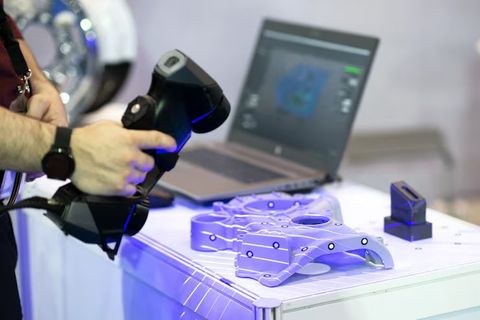
One noticeable trend is the integration of advanced electronics and sensors. Modern motor systems often include digital controllers that monitor performance and adjust motor speed or torque automatically. These systems help improve precision and energy efficiency.
Another development involves improvements in motor materials. Engineers are researching stronger magnetic materials and better insulation techniques. These improvements help motors operate at higher efficiency levels while maintaining reliability.
The growth of electric transportation has also encouraged innovation in motor design. Many electric vehicles use compact motors that combine high torque with efficient energy use. These motors are designed to work closely with electronic control systems that manage power flow from batteries.
Manufacturing industries are also adopting smart monitoring systems. Sensors can track temperature, vibration, and electrical conditions within motors. Data collected from these sensors allows operators to observe motor behavior and detect potential issues early.
Several current trends include:
- Smart monitoring systems: sensors track motor performance in real time.
- Integration with digital control systems: electronic controllers manage speed, direction, and torque.
- Energy efficiency research: new materials and designs aim to reduce electricity consumption.
- Growth of electric transportation: electric motor systems play a central role in electric vehicle technology.
These trends reflect a broader movement toward automation, energy management, and digital integration.
Laws or Policies
Electric motor systems are influenced by regulations and policies that focus on energy efficiency, electrical safety, and environmental protection. Governments and international organizations often create standards that guide how motors are designed and used.
Energy efficiency standards are one common example. Many countries have adopted regulations that set minimum efficiency levels for industrial electric motors. These rules encourage manufacturers to develop motors that consume less electricity while delivering the required performance.
Electrical safety regulations also affect motor systems. Standards help ensure that electrical equipment operates safely in homes, workplaces, and industrial environments. These regulations address factors such as insulation quality, temperature limits, and electrical protection systems.
In some regions, environmental policies also influence motor design. Policies aimed at reducing energy consumption or lowering greenhouse gas emissions encourage the use of efficient motor systems.
Government programs sometimes support research related to efficient motor technologies and industrial modernization. These programs may encourage improvements in manufacturing equipment, renewable energy systems, and electric transportation technologies.
Although regulations vary by country, they generally focus on three main goals:
- Energy efficiency standards to reduce electricity consumption
- Electrical safety requirements to protect equipment users
- Environmental policies to support energy conservation
These rules help guide how electric motor systems are developed and implemented in different sectors.
Tools and Resources
Understanding electric motor systems can be easier when using educational tools, digital platforms, and technical references. These resources help students, engineers, and general readers explore how motors work and how they are used in different applications.
Educational websites often provide explanations of electric motor principles, diagrams, and interactive demonstrations. Online learning platforms also include courses related to electrical engineering fundamentals.
Simulation software allows users to model motor performance under different conditions. These programs help demonstrate how voltage, current, torque, and rotational speed interact within motor systems.
Some helpful resources include:
- Simulation tools: engineering software used to model electric motor behavior and performance.
- Technical reference websites: educational platforms that explain electrical and mechanical principles.
- Engineering textbooks and digital libraries: sources that provide structured explanations of motor technology.
- Industrial monitoring platforms: systems used to track motor performance in manufacturing environments.
The table below shows examples of common electric motor types and their typical applications.
| Motor Type | Typical Applications | Key Characteristics |
|---|---|---|
| AC Induction Motor | Fans, pumps, compressors | Simple design, widely used |
| DC Motor | Small electronics, tools | Adjustable speed control |
| Brushless DC Motor | Electric vehicles, drones | Efficient operation, electronic control |
| Stepper Motor | Printers, robotics | Precise movement control |
| Servo Motor | Industrial automation | Accurate position control |
These resources and examples can help readers understand the variety of motor technologies used in modern equipment.
FAQs
What are electric motor systems?
Electric motor systems are machines that convert electrical energy into mechanical motion. They usually include a motor, power source, control electronics, and mechanical components that work together to produce movement.
Where are electric motor systems commonly used?
Electric motor systems are used in many everyday devices and machines. Examples include household appliances, transportation systems, factory equipment, ventilation systems, and electronic devices.
How do electric motor systems work?
Electric motor systems operate by using magnetic forces created by electric current. When electricity flows through coils inside the motor, it produces a magnetic field that interacts with other magnetic components, causing rotation.
Why are electric motor systems important for energy efficiency?
Electric motor systems influence energy use because many machines rely on them for movement. Improving motor efficiency can reduce electricity consumption in homes, factories, and transportation technologies.
What are common types of electric motor systems?
Common types include AC induction motors, DC motors, brushless DC motors, stepper motors, and servo motors. Each type is designed for specific applications depending on speed control, precision, or power requirements.
Conclusion
Electric motor systems convert electrical energy into mechanical motion and are used in many everyday technologies. Their development has evolved from early scientific experiments to modern designs that integrate digital controls and monitoring systems. These systems play an important role in household devices, industrial automation, and electric transportation. Regulations, research, and technological innovation continue to influence how motor systems are designed and applied in different sectors.