Understanding Waste Recycling Systems: Detailed Explanation, Useful Information, and Sustainability Insights
Waste recycling systems are organized methods used to collect, sort, process, and transform discarded materials into usable resources. These systems developed as societies began producing large amounts of waste through industrial activity, urbanization, and everyday consumption. Instead of sending all discarded materials to landfills, recycling systems aim to recover valuable materials such as paper, plastic, glass, and metal.
Historically, communities reused many materials naturally due to limited resources. As industrial production increased, waste volumes grew, creating environmental challenges. Modern waste recycling systems emerged to manage these challenges by reducing landfill use and recovering materials that can be processed again.
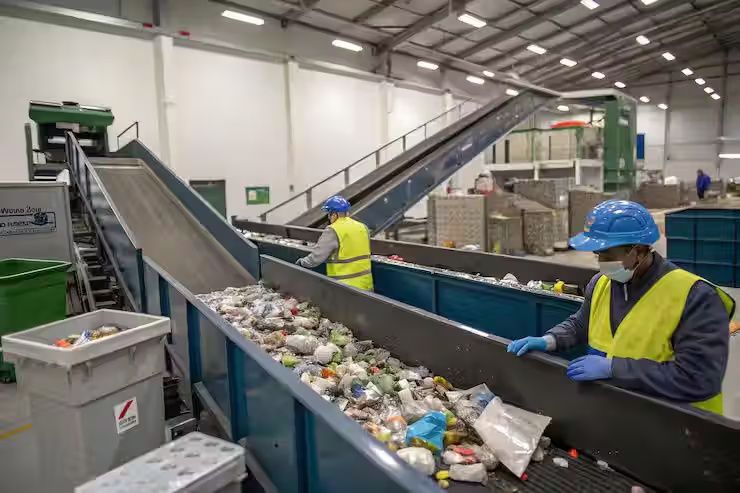
Today, waste recycling systems operate through coordinated steps including collection, sorting, processing, and redistribution of recovered materials. Municipal programs, specialized recycling facilities, and public awareness efforts all contribute to how these systems function. For many communities, recycling is now an integrated part of broader waste management strategies.
Understanding waste recycling systems helps people recognize how everyday items move through the waste stream and how proper disposal practices contribute to environmental sustainability.
Importance
Waste recycling systems play an important role in addressing environmental and resource-related challenges. As populations grow and consumption increases, the amount of waste generated continues to rise. Recycling systems help reduce pressure on landfills while conserving raw materials.
One major benefit is resource conservation. Many common materials used in manufacturing can be recovered and reused through recycling processes. This reduces the need to extract new raw materials from natural environments.
Recycling systems also support environmental protection by lowering pollution levels associated with waste disposal and raw material extraction. When materials such as plastic, metal, and paper are recycled, the demand for new production processes decreases.
Waste recycling systems affect many groups within society, including:
- Households, which generate recyclable materials through daily activities
- Local governments, which organize collection and recycling programs
- Manufacturers, which use recovered materials in production
- Environmental organizations, which promote responsible waste management
Communities with effective recycling systems often experience improved waste management efficiency and greater awareness of environmental responsibility.
Common Materials Processed in Recycling Systems
Different materials move through recycling systems depending on their properties and processing requirements. The table below shows several widely recycled materials and their typical uses after processing.
| Material Type | Common Source Items | Possible Recycled Applications |
|---|---|---|
| Paper | Newspapers, packaging, office paper | Cardboard, tissue products |
| Plastic | Bottles, containers, packaging films | New containers, textiles |
| Glass | Beverage bottles, jars | New glass containers |
| Metals | Aluminum cans, steel packaging | Construction materials, automotive parts |
| Electronics | Old devices, cables | Metal recovery and component reuse |
Proper separation of materials at the source often improves the efficiency of recycling systems.
Recent Updates
Waste recycling systems continue to evolve as technology and environmental awareness advance. Several developments between 2024 and 2026 highlight how recycling practices are changing in many regions.
One notable trend is the increased use of automated sorting technologies. Modern recycling facilities increasingly rely on sensors, artificial intelligence, and robotic systems to identify and separate materials more accurately. These technologies can recognize different plastic types, metals, and paper products based on their composition.
Another development involves expanded recycling categories. Some municipalities are exploring ways to process materials that were previously difficult to recycle, such as flexible plastics or complex packaging. Research institutions and industry groups are studying improved processing techniques to handle these materials more efficiently.
Circular economy initiatives are also gaining attention. Instead of treating waste as a final product, many organizations aim to keep materials circulating in production cycles for as long as possible. Recycling systems form an important part of this approach by returning processed materials into manufacturing streams.
Public awareness campaigns and educational programs have also increased. These initiatives focus on helping households understand how to sort waste correctly, which improves recycling rates and reduces contamination in recycling streams.
Laws or Policies
Waste recycling systems are often influenced by national and regional regulations that encourage responsible waste management. In India, several policies guide recycling and waste reduction practices.
One important regulation is the Solid Waste Management Rules, which outlines how municipalities, businesses, and households should manage waste. The rules encourage segregation of waste into categories such as biodegradable, recyclable, and hazardous materials.
Another significant policy involves Plastic Waste Management Rules. These rules focus on reducing plastic pollution and promoting recycling processes for plastic materials. They include requirements related to plastic waste collection, processing, and disposal practices.
India has also implemented Extended Producer Responsibility frameworks for certain products. Under this approach, manufacturers are responsible for managing the recycling or disposal of materials generated by their products after use.
These policies aim to strengthen recycling systems by encouraging proper waste segregation, improving recycling infrastructure, and increasing accountability across industries.
Tools and Resources
Several tools and informational resources help individuals and communities understand and participate in waste recycling systems.
Digital platforms and government portals often provide guidance on waste segregation and recycling processes. For example, the Central Pollution Control Board publishes educational materials related to waste management and recycling practices.
Educational organizations such as the United Nations Environment Programme share research and guidance on global recycling strategies and sustainable waste management.
Some useful resources that support recycling awareness include:
- Waste sorting guides, which explain how different materials should be separated
- Recycling facility maps, which help residents locate nearby recycling centers
- Environmental education websites, which provide learning materials about waste reduction
- Community recycling programs, which organize collection and processing activities
These tools help people understand how recycling systems function and how proper waste separation improves recycling efficiency.
FAQs
What are waste recycling systems?
Waste recycling systems are organized processes that collect, sort, and transform discarded materials into reusable resources. These systems help reduce landfill waste while conserving natural materials.
How do waste recycling systems work?
Waste recycling systems generally follow several steps: collection of recyclable materials, sorting at recycling facilities, processing into raw materials, and redistribution for manufacturing use.
Why are waste recycling systems important for sustainability?
Waste recycling systems support sustainability by reducing the demand for new raw materials, lowering environmental pollution, and decreasing the amount of waste sent to landfills.
What materials are commonly processed in recycling systems?
Common materials processed in recycling systems include paper, plastic, glass, metals, and electronic components. Each material requires specific sorting and processing techniques.
How can households participate in waste recycling systems?
Households participate by separating recyclable materials from general waste, following local recycling guidelines, and placing materials in designated recycling bins for collection.
Conclusion
Waste recycling systems help societies manage growing waste while conserving valuable resources. These systems involve coordinated steps such as collection, sorting, and processing of recyclable materials. Policies, technology developments, and public awareness all influence how recycling systems function today. Understanding these processes helps individuals see how responsible waste handling contributes to environmental sustainability.