Guide to Smart Glass Windows: Basics, Explanation, and Informative Tips to Learn More
Smart glass windows are a type of glass that can change their transparency or light transmission when electricity, heat, or light is applied. This technology allows the glass to switch between clear and opaque states or adjust how much light passes through it. Smart glass windows are often discussed in modern building design because they help control light, privacy, and indoor temperature.
The concept behind smart glass windows comes from advances in materials science and electronics. Researchers began exploring light-controlling glass several decades ago to improve energy efficiency in buildings and vehicles. Over time, different technologies such as electrochromic glass, suspended particle devices, and polymer dispersed liquid crystal systems were developed.
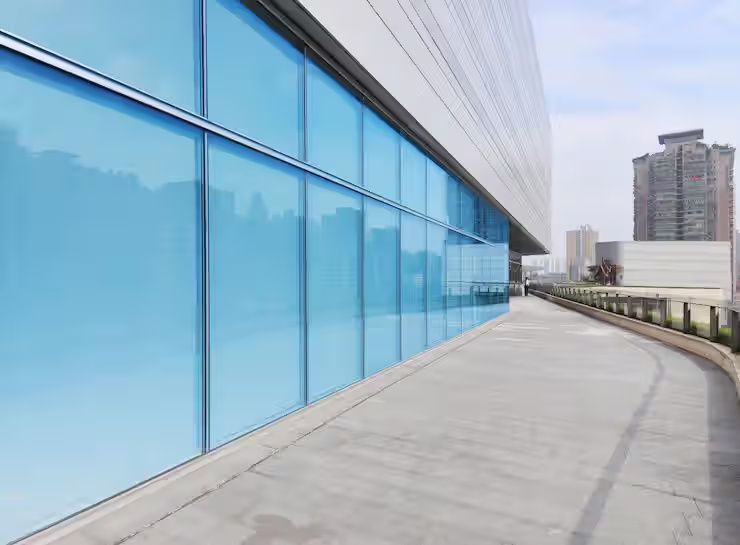
Today, smart glass windows appear in many environments, including homes, office buildings, transportation systems, and healthcare facilities. These windows provide a way to manage light and visibility without traditional curtains or blinds. As a result, they represent an example of how building materials are evolving alongside digital technologies.
Understanding the basics of smart glass windows helps readers learn how modern architecture integrates technology to improve comfort, privacy, and energy management.
Importance
Smart glass windows matter because buildings consume a large portion of global energy, particularly for heating, cooling, and lighting. Windows play a major role in how sunlight enters a building and how heat moves through it. By adjusting transparency, smart glass windows can help regulate indoor conditions.
Several everyday challenges are connected to window performance. These include glare from sunlight, excess indoor heat, privacy concerns, and the need for artificial lighting during the day. Smart glass windows address these issues by changing their appearance or light transmission depending on user control or environmental conditions.
Different groups benefit from this technology in different ways:
- Homeowners may use smart glass windows to control privacy and natural light.
- Office workers may experience less glare on computer screens.
- Healthcare environments may use adjustable glass to maintain privacy in patient areas.
- Transportation systems such as trains and aircraft sometimes use smart glass windows to reduce cabin glare.
Another important factor is energy efficiency. By controlling the amount of sunlight entering a building, smart glass windows can reduce the demand for heating or cooling systems. This can contribute to more stable indoor temperatures and improved energy management.
Basic Types of Smart Glass Technologies
Smart glass windows rely on different technologies to control transparency. Each system uses a unique method to change how light passes through the glass.
Some commonly discussed types include:
- Electrochromic glass – changes tint when electrical voltage triggers chemical reactions within the glass layers.
- Polymer dispersed liquid crystal glass – uses liquid crystal particles that align when electricity is applied, making the glass transparent.
- Suspended particle device glass – contains microscopic particles that shift position when electricity flows, allowing more or less light to pass through.
- Thermochromic glass – reacts to temperature changes rather than electricity.
These technologies may appear similar in everyday use, but they operate differently at the material level.
Comparison of Smart Glass Types
| Technology Type | Trigger Mechanism | Typical Use Environments |
|---|---|---|
| Electrochromic | Electrical voltage changes tint | Buildings and offices |
| Liquid crystal glass | Electrical alignment of crystals | Interior partitions |
| Suspended particle device | Electric field controls particles | Transportation windows |
| Thermochromic | Temperature changes transparency | Energy-efficient architecture |
Each type focuses on controlling light, privacy, or heat transmission.
Recent Updates
Interest in smart glass windows has grown as cities and industries explore ways to improve energy efficiency and building performance. Developments between 2024 and 2026 show continued progress in materials and building integration.
One noticeable trend is the integration of smart glass windows with automated building systems. Modern buildings increasingly use sensors and digital control systems to manage lighting, ventilation, and temperature. Smart glass windows can connect with these systems, allowing transparency levels to adjust automatically based on sunlight intensity or indoor temperature.
Another development involves improvements in durability and response time. Earlier smart glass systems sometimes required several minutes to change tint levels. Newer designs aim to respond more quickly, allowing faster adjustments to changing light conditions.
Architectural design trends also show greater interest in large glass surfaces. As buildings incorporate more glass facades, technologies that manage heat and glare become more relevant. Smart glass windows help address these concerns without relying solely on external shading systems.
Research groups are also exploring new materials that enhance energy efficiency. Some experimental glass designs combine light-adjusting technology with coatings that improve insulation. These innovations aim to balance natural daylight with indoor climate control.
Laws or Policies
Smart glass windows are influenced by building regulations and energy efficiency policies in many countries. Governments often establish building codes that regulate window performance, insulation standards, and energy use in structures.
In India, building efficiency guidelines are shaped by frameworks such as the Energy Conservation Building Code (ECBC) developed by the Bureau of Energy Efficiency. These guidelines encourage construction practices that reduce energy consumption in commercial buildings. Window technologies that manage solar heat and daylight can contribute to meeting such standards.
Environmental goals also influence building materials. As governments aim to reduce energy consumption in cities, technologies that improve temperature control in buildings receive attention in urban planning and architecture.
Other policies focus on safety and construction standards. Glass used in buildings must meet structural and safety requirements related to impact resistance, durability, and installation. Smart glass windows must comply with these same regulations as traditional architectural glass.
In addition, green building certification programs often evaluate how windows affect energy performance and daylight management. Smart glass windows may contribute to these evaluations because they help regulate sunlight and indoor temperature.
Tools and Resources
Learning more about smart glass windows often involves exploring technical information, architectural design guides, and building energy tools. Several resources help readers understand how window technologies influence building performance.
Educational Websites and Knowledge Platforms
Organizations and research groups publish information about building materials and energy efficiency. These platforms often explain how smart glass windows function and how they relate to modern architecture.
Examples include:
- International Energy Agency – provides research on building energy efficiency and sustainable construction.
- U.S. Department of Energy – publishes educational materials on energy-efficient building technologies.
- National Renewable Energy Laboratory – shares research on advanced building materials and solar technologies.
These sources often include guides, reports, and educational explanations related to smart glass windows.
Building Simulation Tools
Some digital tools allow researchers and designers to estimate how windows affect indoor conditions. These tools analyze sunlight, temperature, and building orientation.
Commonly referenced simulation tools include:
- Energy modeling software for evaluating building performance
- Daylight simulation tools used in architectural planning
- Climate analysis platforms that estimate solar heat gain
These tools help illustrate how different window technologies interact with environmental conditions.
Technical Standards and Documentation
Professional organizations also publish technical standards related to glass and building materials. These documents explain testing methods, safety guidelines, and performance metrics.
Although these materials are often used by architects and engineers, they can also help general readers understand how smart glass windows function in real building environments.
FAQs
What are smart glass windows and how do they work?
Smart glass windows are glass panels that change their transparency or tint in response to electricity, temperature, or light. Different technologies inside the glass adjust how particles or crystals interact with light, allowing the window to switch between clear and opaque states.
Where are smart glass windows commonly used?
Smart glass windows appear in homes, office buildings, hospitals, transportation systems, and conference spaces. They are often used in locations where adjustable privacy or light control is important.
Are smart glass windows related to energy efficiency?
Yes. Smart glass windows can help regulate sunlight entering a building. By controlling solar heat and glare, they can influence indoor temperature and lighting conditions.
What is the difference between smart glass and traditional tinted windows?
Traditional tinted windows have a fixed level of darkness that does not change. Smart glass windows can adjust their transparency dynamically, allowing users or automated systems to control light and visibility.
Can smart glass windows improve indoor comfort?
Smart glass windows can influence glare, privacy, and sunlight exposure. Adjusting these factors may contribute to more comfortable indoor environments depending on building design and climate conditions.
Conclusion
Smart glass windows represent an example of how building materials are evolving alongside digital technologies. By adjusting transparency and light transmission, these windows help manage privacy, glare, and indoor temperature. Different technologies, including electrochromic and liquid crystal systems, enable this functionality.
Growing interest in energy efficiency and modern architecture has increased attention toward adaptive window materials. Smart glass windows continue to develop as researchers explore improved materials and building integration methods. Understanding the basics of this technology helps explain how modern buildings balance natural light, comfort, and energy management.