Guide to DTG Printing: Modern Techniques, Workflow Basics, and Helpful Tips
DTG printing, short for direct-to-garment printing, is a modern textile printing method that applies digital images directly onto fabric using specialized inkjet technology. Unlike traditional screen printing, which requires separate screens for each color, DTG printing allows complex images to be transferred onto garments through a digital process. This method became more widely recognized as digital printing technology advanced and as demand for detailed, small-batch garment printing increased.
The process behind DTG printing is similar to how a standard inkjet printer works on paper. Instead of printing on paper, the printer sprays water-based textile inks directly onto the surface of a garment, typically cotton or cotton-blend fabric. The ink absorbs into the fibers and is then cured with heat to improve durability and color stability.
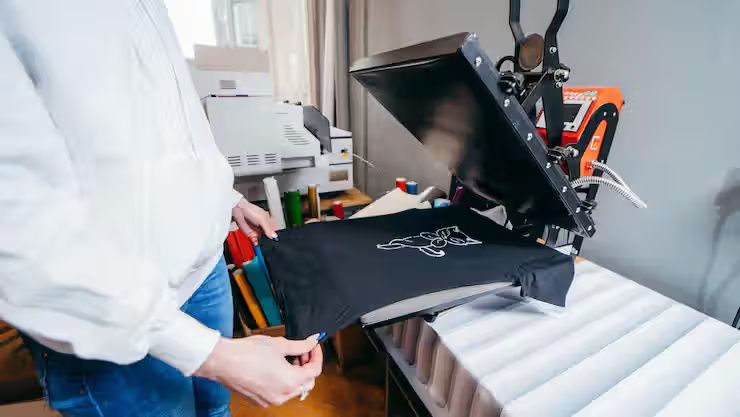
Understanding DTG printing requires familiarity with several elements, including fabric preparation, digital artwork preparation, the printing stage, and post-print curing. These steps together form the basic DTG printing workflow that many textile printing environments follow today.
Historically, garment printing relied heavily on manual methods such as screen printing. While these methods remain common, digital textile printing technologies like DTG printing were developed to simplify workflows for designs that include many colors or photographic detail. Over time, improvements in print heads, textile inks, and fabric pretreatment solutions helped make DTG printing more reliable and consistent.
Today, DTG printing is used in various contexts including apparel customization, educational demonstrations of digital textile printing, and research into textile production methods. The technology continues to evolve as manufacturers improve ink formulas, printing resolution, and machine efficiency.
Importance
DTG printing has become an important development within the broader textile and garment printing field. Its significance lies in the way it simplifies the printing of complex digital artwork on fabric. Designs containing gradients, detailed illustrations, or photographs can be transferred directly onto garments without the multi-step preparation required in some traditional methods.
For many individuals and small organizations working with apparel graphics, understanding DTG printing provides insight into how modern textile production processes function. Designers, educators, hobbyists, and garment decorators may all encounter DTG printing technology when exploring digital printing techniques.
Another reason DTG printing is relevant today is the shift toward digital workflows in many creative industries. As graphic design software and digital artwork creation tools became more common, the ability to print those designs directly onto garments without extensive manual preparation became increasingly valuable.
The DTG printing workflow also helps illustrate how digital tools interact with physical production processes. A typical workflow often includes several stages:
- Artwork preparation using graphic design software
- Fabric pretreatment to help inks bond with fibers
- Direct printing onto the garment using a DTG printer
- Heat curing to stabilize the printed design
Understanding this sequence helps readers see how digital design and textile manufacturing intersect.
DTG printing is also discussed in educational settings related to printing technology, digital manufacturing, and textile studies. By studying DTG printing techniques, learners gain a clearer understanding of modern production systems and how automation and digital control influence printing accuracy and consistency.
Recent Updates
Recent developments in DTG printing technology have focused on improving printing efficiency, ink durability, and compatibility with different fabric types. Advances in print head engineering have allowed some machines to achieve higher resolution and smoother gradients when transferring images onto textiles.
Another notable trend involves improvements in pretreatment formulas used before printing. Pretreatment liquids help prepare fabric fibers so that ink bonds properly during printing. Updated formulas are designed to support consistent ink absorption and reduce issues such as uneven coloration or ink spreading.
Manufacturers of DTG printing equipment have also focused on automation features within the printing workflow. Some systems include automated height detection, integrated pretreatment units, and improved software interfaces that manage print queues and color adjustments.
In addition, textile ink development has continued to evolve. Modern DTG inks are typically water-based and designed to maintain flexibility when embedded in fabric fibers. These inks aim to reduce stiffness in printed areas while maintaining image clarity.
Another noticeable development is the integration of color management software within the DTG printing workflow. Such tools help ensure that colors displayed on a computer screen closely match the final printed output on fabric. This helps maintain visual accuracy when reproducing digital artwork.
Overall, current trends indicate that DTG printing is gradually becoming more precise and easier to integrate into digital design workflows.
Typical DTG Printing Workflow Overview
| Stage | Description | Purpose |
|---|---|---|
| Artwork Preparation | Digital design created or adjusted in graphic software | Ensures correct image resolution and color settings |
| Pretreatment | Liquid solution applied to garment surface | Helps ink bond with fabric fibers |
| Printing | DTG printer sprays textile ink onto fabric | Transfers the digital image directly to the garment |
| Curing | Heat applied through a press or conveyor dryer | Stabilizes ink and improves durability |
| Quality Check | Visual inspection of printed garment | Ensures color consistency and print clarity |
Laws or Policies
DTG printing and textile decoration are influenced by various regulations related to environmental safety, chemical use, and manufacturing standards. While the technology itself is a printing method, the materials involved—such as textile inks and pretreatment solutions—may fall under broader textile and chemical safety regulations.
In many countries, environmental agencies regulate the use and disposal of industrial inks and chemicals to prevent water and soil contamination. Manufacturers of DTG inks typically follow guidelines regarding chemical composition and labeling requirements.
Textile production regulations may also apply when garments are produced or distributed. For example, labeling laws often require garments to list fabric composition and country of origin. These regulations are designed to provide transparency for consumers and support accurate product information.
Worker safety guidelines can also influence DTG printing environments. Organizations responsible for occupational health may establish rules for ventilation, handling of printing chemicals, and safe operation of heat-curing equipment.
Additionally, intellectual property laws affect DTG printing when designs are reproduced on garments. Copyright regulations protect artwork, logos, and graphic designs. Reproducing protected designs without authorization may violate copyright laws in many jurisdictions.
Understanding these legal frameworks helps clarify how DTG printing operates within broader regulatory systems related to textiles, environmental protection, and intellectual property.
Tools and Resources
A variety of digital tools and resources are commonly used within the DTG printing workflow. These tools support tasks such as artwork preparation, color management, and printing control.
Graphic Design Software
Programs such as Adobe Photoshop, Adobe Illustrator, and CorelDRAW are frequently used to prepare artwork for DTG printing. These applications allow users to adjust image resolution, color modes, and background transparency before printing.
Common artwork preparation tasks include:
- Adjusting image resolution to improve print clarity
- Converting files to suitable color formats
- Removing backgrounds from images
- Aligning artwork to match garment placement
Color Management Tools
Color management software helps maintain color consistency between digital designs and printed garments. These tools rely on color profiles that define how printers reproduce different colors.
Examples of color-related resources include printer driver software and RIP (Raster Image Processor) programs. RIP software translates digital image files into instructions that DTG printers use to control ink placement.
Pretreatment Equipment
Pretreatment machines are used to apply pretreatment liquid evenly across garment surfaces. Consistent application helps prevent uneven ink absorption during printing.
Pretreatment units may include spray systems and drying platforms that prepare garments for the printing stage.
Educational Resources
Several online platforms provide information about textile printing technologies and DTG printing workflows. These resources may include instructional videos, technical guides, and research publications discussing digital textile printing methods.
Educational institutions with textile or graphic design programs may also provide learning materials explaining DTG printing techniques and equipment operation.
FAQs
What is DTG printing and how does it work?
DTG printing is a textile printing method that transfers digital images directly onto fabric using specialized inkjet printers. The printer sprays water-based textile inks onto the garment surface, and heat curing helps stabilize the design within the fabric fibers.
What fabrics are commonly used in DTG printing?
DTG printing is most commonly applied to cotton garments and cotton-blend fabrics. These materials absorb water-based textile inks more effectively than many synthetic fabrics, which helps produce clearer prints.
What are the basic steps in a DTG printing workflow?
A typical DTG printing workflow includes artwork preparation, garment pretreatment, direct printing onto the garment, and heat curing to stabilize the printed design.
How does DTG printing differ from screen printing?
DTG printing transfers digital images directly to fabric without requiring separate screens for each color. Screen printing typically involves preparing multiple screens and layers of ink, which can require more preparation for complex designs.
Why is pretreatment important in DTG printing?
Pretreatment prepares fabric fibers so that textile ink bonds properly during printing. Without proper pretreatment, ink may spread unevenly or appear less vibrant on the garment surface.
Conclusion
DTG printing represents an important development in digital textile printing technology. By transferring digital artwork directly onto garments, it simplifies the process of printing detailed images on fabric. Understanding the DTG printing workflow—from artwork preparation to curing—helps explain how digital tools interact with textile production methods. As printing technology continues to evolve, DTG printing remains part of the broader shift toward digitally controlled manufacturing processes.