Exploring Tyre Retreading Machines: Manufacturing Workflow, Quality Control, and Performance Factors
Exploring tyre retreading machines begins with understanding how worn tyres can be restored for continued use. Tyre retreading is a process where the outer tread of a used tyre is replaced, allowing the core structure, known as the casing, to be reused. This practice has existed for decades and is widely applied in commercial transport, aviation, and logistics industries.
Tyre retreading machines play a central role in this process. They support each stage of the manufacturing workflow, from inspection and buffing to tread application and curing. These machines are designed to ensure that the retreaded tyre meets functional and safety expectations.
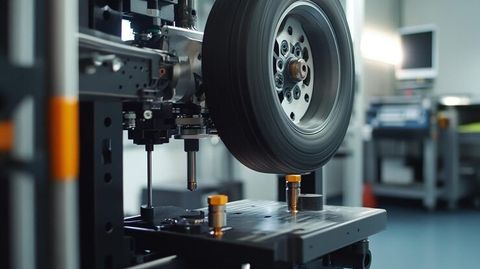
The concept developed as a response to material conservation and waste reduction. Instead of discarding tyres after tread wear, retreading extends their usability. Over time, advancements in machinery and materials have improved the reliability and consistency of retreaded tyres.
Importance
The importance of tyre retreading machines is linked to both environmental and economic considerations. Retreading helps reduce the number of discarded tyres, which can otherwise contribute to landfill accumulation and environmental strain.
For industries that rely on large fleets, such as trucking or public transportation, retreading offers a way to extend tyre life cycles. This contributes to resource efficiency and reduces the demand for raw materials like rubber and steel.
Key reasons why this topic matters include:
- Environmental impact: Retreading reduces waste and lowers the need for new tyre production.
- Resource efficiency: Reusing tyre casings conserves materials and energy.
- Operational continuity: Retreaded tyres can perform reliably when processed correctly.
- Industrial relevance: Many sectors depend on retreading as part of maintenance workflows.
For everyday people, this topic connects to broader sustainability efforts and the availability of durable transportation systems.
Manufacturing Workflow
Initial Inspection and Assessment
The process begins with a detailed inspection of the used tyre casing. This step checks for structural damage, punctures, or irregular wear. Only casings that meet specific criteria move forward in the workflow.
Inspection methods may include visual checks, pressure testing, and non-destructive evaluation techniques. These steps help identify whether the tyre is suitable for retreading.
Buffing and Surface Preparation
Buffing machines remove the worn tread and prepare the surface for new material. This stage ensures a uniform texture that allows proper bonding.
The accuracy of buffing affects the final performance of the tyre. Uneven surfaces can lead to imbalance or reduced durability.
Tread Application
After preparation, new tread rubber is applied. This can be done using pre-cured tread strips or through a mold-based process where raw rubber is shaped during curing.
Tyre retreading machines ensure that the tread is aligned correctly and adheres evenly to the casing.
Curing Process
Curing involves applying heat and pressure to bond the new tread to the casing. Specialized chambers or autoclaves are used in this step.
The curing process determines how well the materials fuse together. Controlled conditions are necessary to achieve consistent results.
Final Inspection
The completed tyre undergoes another round of quality checks. These may include balance testing, visual inspection, and pressure evaluation.
Only tyres that pass these checks are considered ready for use.
Quality Control
Quality control is a critical part of tyre retreading. It ensures that retreaded tyres meet safety and performance expectations.
Key Quality Checks
- Visual inspection: Identifies surface defects or irregularities
- Adhesion testing: Confirms proper bonding between tread and casing
- Uniformity testing: Ensures even shape and balance
- Pressure testing: Detects leaks or structural weaknesses
Common Quality Parameters
| Parameter | Description | Impact on Performance |
|---|---|---|
| Tread adhesion | Bond strength between layers | Affects durability |
| Surface uniformity | Evenness of tread application | Influences ride stability |
| Casing integrity | Structural condition of the base tyre | Determines safety |
| Heat resistance | Ability to withstand operational heat | Impacts lifespan |
Maintaining consistent quality control reduces the risk of failure and supports reliable performance in various conditions.
Performance Factors
Several factors influence the performance of retreaded tyres. These factors are closely linked to the machines and processes used during retreading.
Material Quality
The type of rubber used for the new tread affects traction, wear resistance, and heat tolerance. High-quality materials contribute to longer-lasting results.
Machine Precision
Tyre retreading machines must operate with accuracy. Misalignment during tread application or uneven buffing can affect tyre balance and handling.
Operating Conditions
The performance of retreaded tyres also depends on how they are used. Load levels, road conditions, and driving patterns all play a role.
Maintenance Practices
Regular inspection and proper inflation help maintain the condition of retreaded tyres. Poor maintenance can reduce their effectiveness over time.
Recent Updates
Recent developments in tyre retreading machines have focused on automation and digital monitoring. Modern systems often include sensors that track temperature, pressure, and alignment during the retreading process.
Automation has improved consistency by reducing manual intervention. Computer-controlled machines can perform precise buffing and tread application, leading to more uniform results.
Another trend is the use of environmentally conscious materials. Manufacturers are exploring rubber compounds that support durability while reducing environmental impact.
Data tracking is also becoming more common. Some systems record production details for each tyre, allowing better traceability and quality assurance.
Laws or Policies
Tyre retreading is influenced by regulations that aim to ensure safety and environmental responsibility. In many countries, including India, standards are set by regulatory bodies to define acceptable practices.
Regulatory Considerations
- Safety standards: Retreaded tyres must meet performance and structural requirements
- Labeling requirements: Information about retreading may need to be clearly indicated
- Environmental guidelines: Policies encourage recycling and proper disposal of unusable tyres
In India, organizations such as the Bureau of Indian Standards (BIS) provide guidelines related to tyre quality and manufacturing practices. Compliance with these standards helps maintain consistency and safety across the industry.
Government initiatives related to waste management also support the use of retreading as a method of reducing tyre waste.
Tools and Resources
Various tools and resources support the understanding and operation of tyre retreading machines.
Digital Tools
- Simulation software: Helps model retreading processes and predict outcomes
- Monitoring systems: Track machine performance and process conditions
- Data logging tools: Record production parameters for quality analysis
Educational Resources
- Industry publications: Provide insights into retreading techniques and trends
- Training manuals: Explain machine operation and maintenance procedures
- Technical guidelines: Outline standard practices for retreading workflows
Equipment Accessories
- Buffing tools: Ensure precise surface preparation
- Inspection devices: Detect internal and external defects
- Curing chambers: Maintain controlled conditions for bonding
These tools contribute to better understanding and consistent application of retreading processes.
FAQs
What are tyre retreading machines used for?
Tyre retreading machines are used to restore worn tyres by replacing the outer tread while keeping the original casing. They support inspection, buffing, tread application, and curing processes.
How does the tyre retreading manufacturing workflow work?
The manufacturing workflow includes inspection, buffing, tread application, curing, and final testing. Each step ensures that the retreaded tyre meets performance and safety requirements.
Are retreaded tyres reliable for everyday use?
Retreaded tyres can perform reliably when processed using proper methods and quality control measures. Their performance depends on casing condition, materials, and usage conditions.
What factors affect tyre retreading machine performance?
Machine precision, material quality, operating conditions, and maintenance practices all influence the performance of tyre retreading machines and the final product.
How is quality control maintained in tyre retreading?
Quality control involves multiple checks such as visual inspection, adhesion testing, and pressure evaluation. These steps ensure that the retreaded tyre meets required standards.
Conclusion
Tyre retreading machines play a central role in extending the life of tyres through a structured manufacturing workflow. From inspection to curing, each stage contributes to the final outcome. Quality control ensures that retreaded tyres meet safety and performance expectations. Advances in automation and monitoring continue to improve consistency in the process. Overall, tyre retreading remains an important approach to resource efficiency and waste reduction.