Electrical Connectors Explained: Types, Functions, and Informative Details
Electrical connectors explained simply refers to the components used to join electrical circuits together so electricity or signals can pass from one device or wire to another. These connectors are found in everyday electronics, vehicles, communication systems, household appliances, and industrial machines. Without them, many electrical systems would require permanent wiring connections, making maintenance or replacement difficult.
The concept of electrical connectors developed alongside the growth of electrical engineering. Early electrical systems used simple metal contacts and screw terminals. Over time, as electronic devices became smaller and more complex, connectors evolved into standardized components with specific shapes, pin arrangements, and safety features.
Understanding types and functions of electrical connectors helps people recognize how electrical systems are assembled and maintained. From charging cables and computer ports to industrial equipment wiring, connectors allow parts to connect securely while still being removable when needed.
Importance
Electrical connectors play a significant role in modern electrical and electronic systems. They allow devices to transmit electrical power and data efficiently while maintaining safe and stable connections.
Many industries rely on connectors to keep systems organized and maintainable. For example, electronics manufacturers use connectors to assemble devices quickly, while technicians rely on them to replace components without rewiring entire circuits.
Common challenges that connectors help address include:
- Ease of maintenance: Components can be removed or replaced without cutting wires.
- Safety and insulation: Proper connectors reduce the risk of short circuits and accidental contact.
- Standardization: Many connectors follow standardized shapes and pin layouts so devices can work together.
- Signal reliability: Secure connections help maintain stable data transmission in communication systems.
For everyday users, connectors are part of routine technology use. Charging phones, connecting headphones, plugging appliances into outlets, or attaching computer peripherals all involve electrical connectors working behind the scenes.
Recent Updates
Recent developments in electrical connectors reflect changes in modern electronics, especially the growth of compact devices, renewable energy systems, and digital communication.
One noticeable trend is the increasing use of compact connectors designed for smaller devices. As laptops, mobile devices, and wearable electronics become thinner, connector designs have adapted to reduce size while maintaining electrical performance.
Another development involves connectors used in electric vehicles and renewable energy systems. These applications require connectors that handle higher power levels while maintaining durability in outdoor or high-temperature environments.
Advancements also include connectors designed for faster data transmission. Modern digital communication equipment requires connectors that support high-speed signals with minimal interference. Improved materials and shielding methods help maintain signal quality in these environments.
Automation and robotics systems also use specialized connectors that support both power and data connections within a single interface. This approach simplifies wiring in complex machines.
Laws or Policies
Electrical connectors and related equipment are influenced by technical standards and safety regulations that vary by country. These guidelines help ensure electrical components operate safely and reliably.
In India, electrical equipment standards are developed and maintained by organizations such as the Bureau of Indian Standards. This organization establishes technical specifications for many electrical components, including connectors used in appliances and wiring systems.
Safety certification programs also play a role. For example, the International Electrotechnical Commission publishes international standards that guide connector design, testing methods, and electrical safety practices.
These standards generally address several areas:
- Electrical safety: Preventing overheating, short circuits, or insulation failures
- Mechanical durability: Ensuring connectors withstand repeated connections and disconnections
- Compatibility: Supporting standardized designs that allow different devices to work together
- Environmental protection: Requirements for connectors used in outdoor or industrial conditions
Following these guidelines helps manufacturers and engineers create components that meet safety expectations and operate reliably in different environments.
Tools and Resources
Various tools and resources help engineers, technicians, and learners understand electrical connectors and their functions. These tools assist with circuit design, connector identification, and electrical calculations.
Educational resources are also available through engineering organizations and technical learning platforms that explain connector structures and wiring principles.
Common tools and platforms include:
- Circuit simulation tools: Programs such as LTspice allow users to model electrical circuits and test connections digitally.
- Computer-aided design platforms: Applications like Autodesk Eagle help engineers design circuit boards and connector layouts.
- Technical documentation databases: The IEEE provides research papers and technical references related to electrical components.
- Engineering learning platforms: Educational websites such as Khan Academy provide introductory lessons on electricity and circuits.
These resources support both professionals and learners who want to understand how connectors work within electrical systems.
Types and Functions of Electrical Connectors
Electrical connectors come in many designs, each intended for specific wiring situations and electrical requirements. Some connectors are used for power transmission, while others handle signal or data communication.
Wire-to-Wire Connectors
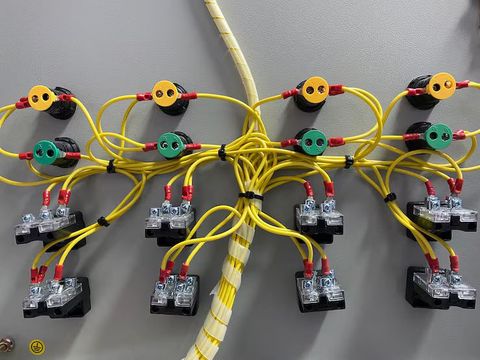
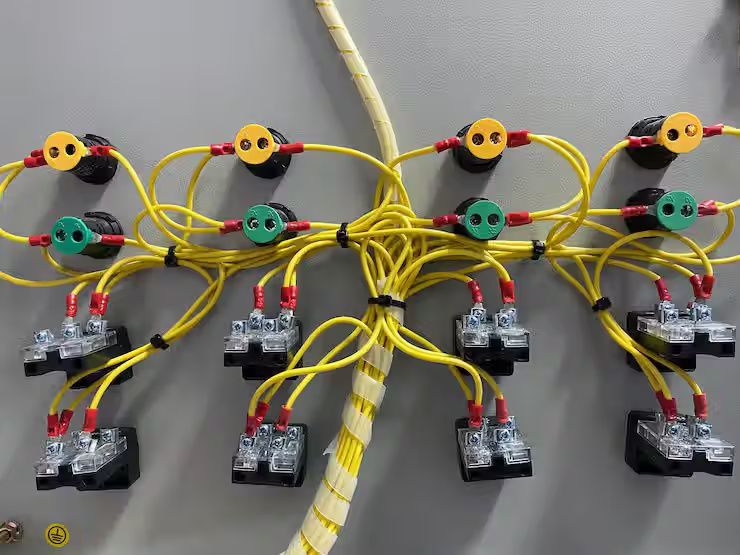
Wire-to-wire connectors join two separate wires together. These connectors are commonly used in electrical installations, vehicles, and household appliances.
Typical examples include:
- Crimp connectors: metal sleeves compressed around wires to create a secure connection
- Twist-on connectors: plastic caps used to join wires in household wiring
- Butt connectors: cylindrical connectors used to connect two wire ends directly
These connectors help maintain stable electrical continuity between wires.
Wire-to-Board Connectors
Wire-to-board connectors attach electrical wires to printed circuit boards. They are widely used in electronics such as computers, televisions, and industrial controllers.
Key characteristics include:
- Compact pin arrangements
- Secure locking mechanisms
- Clear polarity to ensure correct orientation
These connectors allow circuit boards to connect to external components while remaining removable for maintenance.
Board-to-Board Connectors
Board-to-board connectors connect two printed circuit boards together. They are commonly found in computers, smartphones, and embedded electronic systems.
They help reduce the need for additional wiring inside devices and allow stacked electronic modules to communicate with each other.
Circular Connectors
Circular connectors feature round housings and are often used in industrial equipment, aerospace systems, and transportation technology.
They are designed for environments where connectors may face vibration, moisture, or mechanical stress. Locking mechanisms help keep connections secure under demanding conditions.
USB and Data Connectors
Many consumer electronics use data connectors that transfer both electrical power and digital information. These connectors support communication between devices such as computers, storage drives, and mobile electronics.
Examples include widely recognized computer ports that support charging and data transfer through standardized pin arrangements.
Comparison of Common Electrical Connector Types
| Connector Type | Typical Use | Key Feature |
|---|---|---|
| Wire-to-wire connector | Joining electrical wires | Simple connection method |
| Wire-to-board connector | Connecting wires to circuit boards | Compact design |
| Board-to-board connector | Linking two circuit boards | Internal device communication |
| Circular connector | Industrial and outdoor equipment | Durable housing |
| Data connector | Digital communication devices | Supports power and data transfer |
Understanding these types helps explain how different electrical systems are structured and maintained.
FAQs
What are electrical connectors used for?
Electrical connectors are components that join electrical circuits so electricity or signals can pass between wires, devices, or circuit boards. They allow connections to be assembled and disconnected without permanent wiring.
What are the main types of electrical connectors?
Common types include wire-to-wire connectors, wire-to-board connectors, board-to-board connectors, circular connectors, and data connectors used in communication devices.
Why are electrical connectors important in electronics?
Electrical connectors support reliable electrical connections while allowing equipment to be assembled, repaired, or upgraded more easily. They also help maintain organized wiring within electronic systems.
How do electrical connectors improve safety?
Connectors help protect electrical contacts with insulation and secure housings. This reduces the chance of exposed wires, loose connections, or short circuits in electrical equipment.
Where are electrical connectors commonly found?
Electrical connectors are widely used in household appliances, computers, vehicles, communication equipment, industrial machines, and renewable energy systems.
Conclusion
Electrical connectors are essential components that allow electrical circuits to connect safely and efficiently. They support power transmission and data communication in many types of devices and systems. Different connector types serve specific functions, from simple wire connections to complex electronic assemblies. Technical standards and engineering tools help guide their design and use. Understanding these connectors provides useful insight into how modern electrical systems are built and maintained.