Electric Forklifts Explained: Power Systems, Safety Insights, and Practical Understanding
Electric forklifts are industrial vehicles designed to lift, carry, and stack materials in warehouses, factories, and distribution centers. Unlike traditional internal combustion forklifts, these machines rely on electric power systems, typically using rechargeable batteries. This shift toward electric operation reflects broader changes in industrial equipment aimed at improving efficiency, reducing emissions, and supporting indoor operations.
The concept of forklifts dates back to the early 20th century when industries needed safer and more efficient ways to handle heavy goods. Over time, technological advancements introduced electric forklifts, which became widely adopted in environments where air quality, noise reduction, and operational precision are important.
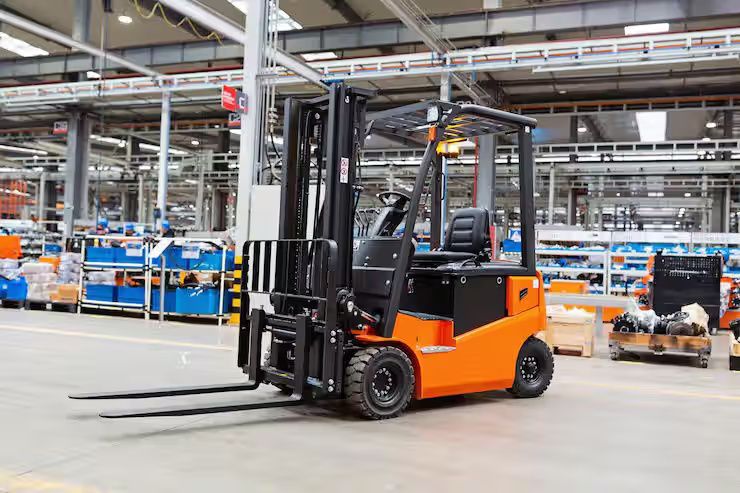
Electric forklifts are now a common part of logistics systems, especially in indoor storage facilities. Their design includes a power system, lifting mechanism, control interface, and safety features that allow operators to move goods with accuracy. Understanding how these machines function helps readers better grasp their role in modern material handling.
Importance
Electric forklifts play a significant role in supply chains and storage operations. As global trade and e-commerce continue to expand, warehouses must handle larger volumes of goods efficiently. Electric forklifts help address this need by enabling consistent and controlled movement of materials.
One key advantage is their suitability for indoor use. Since they do not produce exhaust emissions during operation, they help maintain air quality in enclosed environments. This is especially important in facilities handling food, pharmaceuticals, or sensitive goods.
Another important aspect is safety. Electric forklifts often include advanced safety systems that reduce the risk of accidents. These features support both operators and nearby workers by improving visibility, stability, and control.
Electric forklifts also contribute to quieter work environments. Lower noise levels can make communication easier and reduce strain on workers over time. In addition, the use of electric power systems aligns with broader environmental goals by reducing reliance on fossil fuels.
Recent Updates
Recent developments in electric forklifts focus on improving battery technology, automation, and connectivity. Lithium-ion batteries are increasingly used instead of traditional lead-acid batteries. These newer batteries typically provide faster charging times, longer lifespan, and more consistent performance.
Automation is another growing trend. Some electric forklifts now include semi-autonomous or fully automated features. These systems can assist with navigation, obstacle detection, and route optimization. While human operators are still widely used, automation is gradually becoming more common in large-scale warehouses.
Connectivity has also improved. Modern electric forklifts may include telematics systems that collect and transmit data about usage, battery status, and maintenance needs. This information helps organizations monitor performance and plan operations more effectively.
In addition, ergonomic design improvements are being introduced. These include adjustable seating, intuitive controls, and improved visibility, all aimed at reducing operator fatigue and enhancing usability.
Laws or Policies
The use of electric forklifts is influenced by workplace safety regulations and environmental guidelines. In many countries, including India, industrial operations must follow safety standards set by government authorities.
Workplace safety regulations typically require proper training for forklift operators. This includes understanding how to operate the vehicle, handle loads safely, and respond to emergencies. Employers are responsible for ensuring that operators are trained and that equipment is maintained in safe working condition.
Environmental policies also play a role. Since electric forklifts produce no direct emissions during operation, they are often preferred in areas with strict air quality standards. This aligns with broader environmental goals aimed at reducing pollution in industrial settings.
In addition, there may be guidelines related to battery handling and disposal. Batteries used in electric forklifts must be managed carefully to prevent environmental harm. Proper storage, charging practices, and recycling processes are typically required.
Tools and Resources
Several tools and resources can help individuals and organizations better understand and manage electric forklifts. These tools provide information on performance, safety, and operational planning.
Common resources include:
- Online forklift load calculators: These help determine safe lifting limits based on load weight and height.
- Battery management systems: These monitor battery health, charging cycles, and usage patterns.
- Training platforms: Digital courses and simulation tools provide operator education and practice.
- Maintenance tracking software: These systems record service history and schedule routine checks.
- Industry guidelines and manuals: Many organizations publish documents that explain safe operation and technical details.
Below is a simple comparison table of common electric forklift battery types:
| Feature | Lead-Acid Battery | Lithium-Ion Battery |
|---|---|---|
| Charging Time | Longer | Shorter |
| Maintenance Needs | Regular upkeep | Minimal |
| Lifespan | Moderate | Longer |
| Energy Efficiency | Lower | Higher |
| Weight | Heavier | Lighter |
These tools and resources support better decision-making and help ensure that electric forklifts are used safely and effectively.
FAQs
What are electric forklifts and how do they work?
Electric forklifts are material handling vehicles powered by rechargeable batteries. They use electric motors to drive movement and operate lifting mechanisms, allowing users to transport and stack goods efficiently.
What types of batteries are used in electric forklifts?
Electric forklifts commonly use lead-acid or lithium-ion batteries. Lead-acid batteries are traditional and require regular maintenance, while lithium-ion batteries offer faster charging and longer lifespan with less upkeep.
Are electric forklifts suitable for outdoor use?
Electric forklifts can be used outdoors, but they are primarily designed for indoor environments. Their performance outdoors may depend on surface conditions and weather, as well as the specific model and tire type.
What safety features are included in electric forklifts?
Electric forklifts often include features such as stability control, automatic braking, load sensors, and visibility enhancements. These features help reduce the risk of accidents and improve operator control.
Why are electric forklifts becoming more common?
Electric forklifts are becoming more common due to their lower emissions, quieter operation, and compatibility with indoor environments. Advances in battery technology and automation have also contributed to their increased adoption.
Conclusion
Electric forklifts are an important part of modern material handling systems, offering a combination of efficiency, safety, and environmental benefits. Their electric power systems support indoor use and align with evolving industrial practices. Ongoing developments in battery technology and automation continue to shape their role in warehouses and logistics operations. Understanding their features and functions helps provide a clearer view of how goods are managed in today’s supply chains.