Circuit Protection Devices Guide: Explore Basics, Tips, Insights, and Detailed Explanation for Electrical Safety
Circuit protection devices are essential components used in electrical systems to prevent damage caused by faults such as short circuits, overloads, and voltage fluctuations. These devices have evolved alongside the development of modern electricity systems, becoming more precise and reliable over time. From early fuse designs to advanced digital protection systems, the goal has remained the same: to safeguard electrical circuits and connected equipment.
In simple terms, circuit protection devices act like safety barriers. When something goes wrong in an electrical system, such as excessive current flow, these devices interrupt the flow of electricity to prevent harm. Common examples include fuses, circuit breakers, surge protectors, and residual current devices.
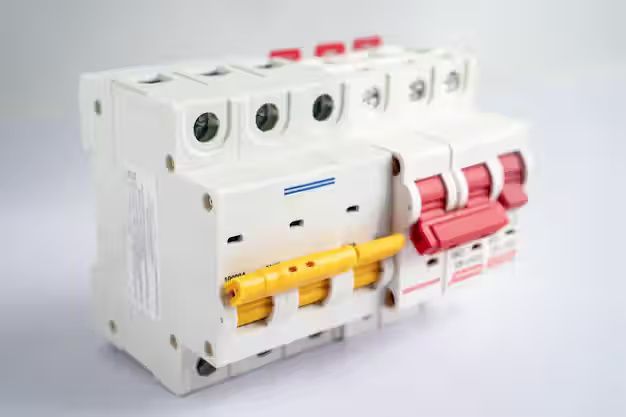
Understanding the basics of circuit protection devices helps people recognize how electricity is managed safely in homes, offices, and industrial settings. This knowledge is especially useful in a world where electrical dependency continues to grow.
Importance
Everyday Electrical Safety
Circuit protection devices play a critical role in maintaining safety in daily life. Electrical faults can lead to overheating, equipment damage, or even fire hazards. By interrupting abnormal current flow, these devices reduce the risk of accidents.
For households, they protect appliances such as refrigerators, televisions, and air conditioners. In workplaces, they help ensure the safe operation of machinery and sensitive electronic systems.
Protection Against Common Electrical Issues
Electrical systems face several common challenges that circuit protection devices are designed to handle:
- Overload conditions: when too many devices draw power from a single circuit
- Short circuits: when unintended connections create a sudden surge in current
- Ground faults: when electricity flows through an unintended path, often causing shock risks
- Voltage spikes: sudden increases in voltage that can damage electronic equipment
Each type of protection device is designed to address specific issues, making them an integral part of electrical infrastructure.
Role in Modern Infrastructure
As technology advances, electrical systems have become more complex. Smart homes, renewable energy systems, and digital devices require stable and secure power. Circuit protection devices help maintain this stability by ensuring consistent and controlled electrical flow.
They also contribute to system reliability by minimizing downtime caused by electrical faults. This is particularly important in sectors like healthcare, manufacturing, and communication networks.
Recent Updates
Shift Toward Smart Protection Systems
Recent developments in circuit protection devices focus on digital monitoring and automation. Smart circuit breakers and intelligent protection systems can detect faults more accurately and provide real-time data about electrical performance.
These systems often integrate with building management platforms, allowing users to monitor energy usage and detect issues remotely.
Integration with Renewable Energy Systems
The rise of solar and wind energy has influenced the design of circuit protection devices. Modern systems must handle variable power inputs and bidirectional energy flow, especially in solar installations where electricity can flow both to and from the grid.
This has led to the development of specialized protection devices designed for renewable energy applications.
Increased Focus on Energy Efficiency
Another trend is the emphasis on energy-efficient electrical systems. Circuit protection devices are now designed to minimize energy loss while maintaining safety standards. This aligns with broader efforts to reduce energy consumption and environmental impact.
Miniaturization and Compact Designs
Manufacturers are also focusing on smaller and more compact devices without compromising functionality. This is particularly useful in urban environments where space constraints are common.
Laws or Policies
Electrical Safety Regulations
Circuit protection devices are governed by electrical safety standards and regulations in many countries. These rules ensure that electrical systems are designed and installed safely.
In India, electrical safety is influenced by frameworks such as:
- Central Electricity Authority (CEA) regulations, which outline safety measures for electrical installations
- Bureau of Indian Standards (BIS), which sets quality and performance standards for electrical equipment
- National Building Code (NBC), which includes guidelines for electrical systems in buildings
These regulations require the use of appropriate circuit protection devices in residential, commercial, and industrial settings.
Compliance Requirements
Electrical installations must comply with specific safety requirements, including:
- Proper selection of protection devices based on load capacity
- Regular inspection and maintenance of electrical systems
- Use of certified equipment that meets national standards
Compliance helps reduce risks associated with electrical faults and ensures that systems operate safely over time.
Global Standards
In addition to national regulations, international standards also influence circuit protection practices. Organizations such as the International Electrotechnical Commission (IEC) provide guidelines that are widely adopted across different countries.
These standards promote consistency in design, testing, and performance of circuit protection devices.
Tools and Resources
Types of Circuit Protection Devices
Understanding the available tools helps in selecting the right protection method. Common types include:
- Fuses: simple devices that melt when current exceeds a safe level
- Circuit breakers: reusable devices that automatically switch off during faults
- Residual current devices (RCDs): detect leakage currents and prevent electric shocks
- Surge protection devices (SPDs): protect against voltage spikes caused by lightning or power surges
Comparison of Common Devices
| Device Type | Main Function | Reusability | Typical Use Case |
|---|---|---|---|
| Fuse | Breaks circuit during overload | No | Basic household circuits |
| Circuit Breaker | Interrupts current during faults | Yes | Residential and commercial systems |
| Residual Current Device | Detects leakage current | Yes | Shock protection in homes |
| Surge Protection Device | Protects against voltage spikes | Yes | Electronics and sensitive equipment |
Digital Tools and Calculators
Several online tools can assist in understanding and planning electrical systems:
- Load calculation tools: help estimate total electrical demand
- Circuit breaker selection guides: assist in choosing appropriate ratings
- Voltage drop calculators: evaluate efficiency of electrical wiring
These tools provide useful insights for both beginners and experienced users.
Educational Resources
Learning about circuit protection devices can be supported through:
- Government safety guidelines and publications
- Online tutorials explaining electrical basics
- Technical manuals from standards organizations
These resources help build a clearer understanding of how electrical systems function safely.
FAQs
What are circuit protection devices and why are they important?
Circuit protection devices are components that prevent electrical damage by interrupting current during faults. They are important because they reduce risks such as overheating, equipment damage, and electrical hazards.
What are the basic types of circuit protection devices?
The basic types include fuses, circuit breakers, residual current devices, and surge protection devices. Each type is designed to handle specific electrical issues like overloads, short circuits, or voltage spikes.
How do circuit breakers differ from fuses?
Circuit breakers can be reset after they trip, while fuses must be replaced once they melt. Both serve the same purpose of stopping excessive current, but circuit breakers provide more convenience and control.
Where are circuit protection devices commonly used?
They are used in homes, offices, industrial facilities, and renewable energy systems. Any place that uses electricity typically includes some form of circuit protection.
How can I understand circuit protection devices basics for home safety?
Learning the basics involves understanding how devices respond to overloads, short circuits, and leakage currents. Simple guides, diagrams, and safety instructions can help explain their function in everyday settings.
Conclusion
Circuit protection devices are fundamental to maintaining electrical safety and system reliability. They help prevent damage caused by common electrical faults and support the safe use of modern technology. With advancements in smart systems and renewable energy integration, these devices continue to evolve. Understanding their basics provides a clearer view of how electricity is managed safely in daily life.