UAE Desert Resorts Explained: Luxury Stays, Experiences & Desert Travel Guide
Desert landscapes cover a large part of the United Arab Emirates, shaping both the country’s natural environment and its cultural traditions. Long before modern cities developed along the coast, communities lived in desert regions where travel, trade routes, and seasonal camps were part of everyday life. Over time, these landscapes also became places where travelers could observe dunes, wildlife, and traditional desert life.
UAE desert resorts developed as a way to experience these environments while staying in structured accommodations located within or near desert areas. These locations typically combine lodging, cultural experiences, and guided desert activities within protected desert landscapes. As a result, UAE desert resorts are often associated with desert tourism, nature observation, and cultural heritage.
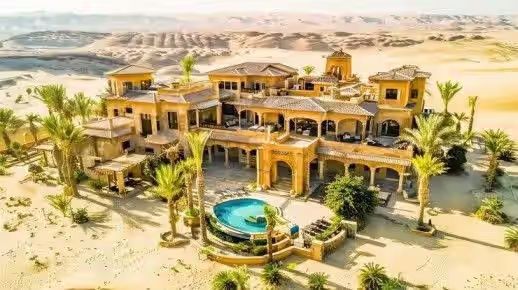
Many of these resorts are situated in desert reserves or remote dune regions outside major cities such as Dubai or Abu Dhabi. Their design often reflects local architecture, desert materials, and Bedouin heritage. Buildings may include low-rise villas, tent-inspired structures, or stone lodges that blend into surrounding dunes.
For visitors interested in desert travel in the UAE, these resorts provide an organized way to experience desert ecosystems, traditional culture, and outdoor activities without needing specialized desert travel knowledge.
Importance
Desert tourism plays an important role in how people experience the natural environment of the UAE. Urban centers like Dubai and Abu Dhabi are known for skyscrapers and modern infrastructure, but the desert remains one of the country’s defining landscapes.
UAE desert resorts help connect travelers with this environment in several ways.
First, they provide structured access to remote desert areas. The desert can be difficult to navigate independently due to extreme temperatures, shifting dunes, and limited infrastructure. Organized resorts allow visitors to stay within desert regions while following safety guidelines.
Second, desert resorts often include cultural interpretation. Activities such as camel rides, falconry demonstrations, and traditional food preparation help explain historical desert lifestyles. These experiences provide insight into Bedouin heritage and the historical relationship between people and the desert environment.
Third, desert resorts support environmental awareness. Many are located near protected wildlife areas where conservation programs protect native animals and plants. Educational activities may include wildlife observation or guided walks that explain desert ecology.
Finally, desert tourism contributes to regional economic diversification. In addition to coastal tourism and city attractions, desert travel experiences broaden the range of tourism activities within the UAE.
Recent Updates
Between 2024 and 2026, desert tourism in the UAE has continued to evolve as travelers show growing interest in nature-focused experiences and cultural exploration.
Growth of Eco-Focused Desert Resorts
A noticeable trend is the development of resorts designed with environmental considerations in mind. Many newer properties incorporate solar power systems, water-conservation methods, and building materials suited to desert climates.
Environmental design features often include:
- Low-impact lighting to reduce disturbance to wildlife
- Energy-efficient cooling systems suited to desert temperatures
- Landscape preservation that protects natural dunes and plants
These practices aim to reduce environmental impact while allowing visitors to experience desert landscapes responsibly.
Expansion of Desert Experiences
UAE desert resorts increasingly include educational and outdoor activities designed around desert ecosystems and cultural traditions. Common experiences may include:
- Wildlife observation in desert reserves
- Guided dune walks explaining desert plants and geology
- Stargazing sessions due to minimal light pollution
- Cultural storytelling connected to Bedouin heritage
These activities emphasize learning about the desert rather than simply viewing it.
Integration with Regional Tourism
Another development is the connection between desert resorts and broader tourism routes. Visitors often combine desert stays with city exploration, coastal destinations, or cultural landmarks across the UAE.
As a result, desert travel in the UAE has become part of multi-day travel itineraries rather than a single excursion.
Laws or Policies
Tourism and desert travel in the UAE are shaped by regulations designed to protect natural landscapes, wildlife, and cultural heritage.
Desert Conservation Areas
Several desert resorts operate near protected reserves where environmental regulations guide development and activities. One example is the Dubai Desert Conservation Reserve, a large protected area created to conserve desert ecosystems and wildlife.
Within these protected areas, regulations may include:
- Limits on vehicle access to sensitive dune regions
- Guidelines for wildlife interaction
- Restrictions on construction density
These policies aim to balance tourism activity with conservation goals.
Tourism Licensing and Regulation
Tourism operations across the UAE are regulated by government tourism authorities in each emirate. These authorities establish guidelines related to visitor safety, accommodation standards, and environmental compliance.
Resorts operating in desert areas must follow these regulatory frameworks, which cover areas such as:
- Land use planning
- safety protocols for desert activities
- environmental protection measures
These regulations help ensure that desert tourism develops in a structured and monitored way.
Cultural Heritage Protection
Some desert experiences involve traditional practices such as falconry, camel trekking, and Bedouin storytelling. Cultural preservation policies encourage respectful presentation of these traditions while protecting historical knowledge and practices.
Tools and Resources
Travelers planning to explore UAE desert resorts or desert travel experiences can use several digital tools and informational resources.
Official Tourism Platforms
Government tourism websites provide information about desert regions, cultural sites, and travel guidelines. Examples include:
- Visit Dubai tourism platform
- Experience Abu Dhabi travel information site
- UAE Ministry of Economy tourism information
These platforms explain desert regions, cultural attractions, and environmental guidelines.
Travel Planning Tools
Digital planning tools can help travelers understand distances, desert geography, and seasonal weather conditions. Examples include:
- Map applications for route planning between cities and desert regions
- Weather monitoring platforms that track desert temperature conditions
- astronomy apps used for stargazing in low-light desert environments
These tools help travelers prepare for desert travel conditions.
Cultural and Nature Education Resources
Some conservation organizations and cultural institutions publish information about desert wildlife, ecosystems, and Bedouin history. These materials can help travelers understand the environmental and historical context of desert landscapes.
Example Desert Resort Regions in the UAE
The following table shows several desert areas where desert resorts and desert travel experiences are commonly located.
| Desert Region | Nearby Emirate | Landscape Characteristics | Common Activities |
|---|---|---|---|
| Dubai Desert Conservation Area | Dubai | Protected dunes and wildlife habitat | Wildlife observation, dune drives, cultural activities |
| Liwa Desert | Abu Dhabi | Large sand dunes and remote desert scenery | Dune exploration, cultural experiences |
| Al Badayer Desert | Sharjah | Red sand dunes popular for outdoor recreation | Dune driving, desert camping |
| Al Wathba Desert | Abu Dhabi | Open desert plains and fossil dunes | Nature walks, stargazing |
These regions demonstrate how desert landscapes vary across the UAE while still supporting similar travel experiences.
FAQs
What are UAE desert resorts?
UAE desert resorts are accommodations located in or near desert landscapes that allow visitors to experience dunes, wildlife, and cultural traditions while staying in structured lodging. Many include guided activities that explain desert environments and heritage.
What activities are included in a desert travel guide for the UAE?
A desert travel guide for the UAE commonly includes activities such as camel trekking, dune exploration, wildlife observation, stargazing, and cultural storytelling related to Bedouin traditions. Some locations also include guided nature walks.
When is the common season for visiting UAE desert resorts?
Desert travel in the UAE usually occurs during cooler months when temperatures are more comfortable for outdoor activities. During hotter periods, activities often take place early in the morning or later in the evening.
Are UAE desert resorts located in protected desert areas?
Some UAE desert resorts are located near protected conservation areas where environmental regulations guide tourism activity. These areas help protect wildlife habitats and desert ecosystems while allowing controlled tourism access.
What should travelers know before visiting a desert resort in the UAE?
Travelers should understand desert climate conditions, including temperature changes between day and night. Preparation may include lightweight clothing, sun protection, and awareness of desert travel guidelines.
Conclusion
UAE desert resorts provide a structured way for travelers to explore desert landscapes, cultural traditions, and wildlife environments within the country. These locations connect modern tourism with historical desert heritage and natural ecosystems.
Recent developments show increasing attention to environmental design and educational experiences related to desert ecology. Government regulations and conservation policies guide how tourism operates in desert regions.
Understanding the cultural, environmental, and travel aspects of UAE desert resorts helps visitors appreciate the role of desert landscapes in the country’s identity and tourism development.