Smart Soldering Machines Guide: Innovation, Functions, and Informative Tips for Better Results
Smart soldering machines are advanced tools designed to join electronic components with greater precision, consistency, and efficiency. They emerged from the need to handle complex circuit boards, miniaturized components, and high-density designs that manual soldering can no longer support accurately.
These machines combine controlled heating, precise positioning, and automated monitoring to ensure strong, reliable connections in electronics manufacturing. They play a critical role in industries that require dependable solder joints, including telecommunications, automotive electronics, consumer devices, renewable energy equipment, and industrial control systems.
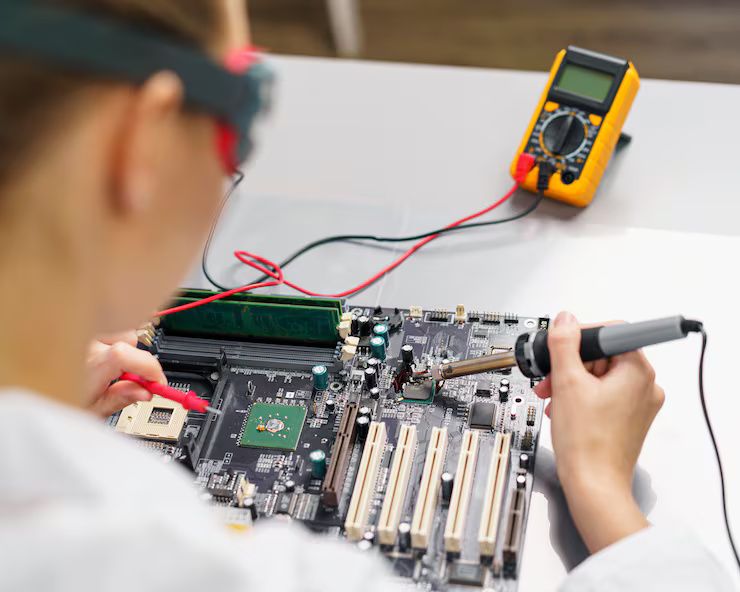
Importance of Smart Soldering Machines Today
Modern electronics demand high reliability, microscopic accuracy, and consistent performance, which makes smart soldering systems extremely important.
Key reasons they matter:
-
Enhanced Precision: Ensures stable joints for small and sensitive components.
-
Repeatability: Produces uniform results across thousands of boards.
-
Efficiency: Supports fast production without compromising quality.
-
Temperature Control: Prevents overheating, which can damage circuits.
-
Safety and Cleanliness: Minimizes fumes, splatter, and human error.
These machines directly benefit engineers, production teams, PCB designers, quality inspectors, and educational labs working with intricate electronic systems.
Recent Updates and Industry Trends
Smart soldering technology continues to evolve. Below is a clear overview of recent trends:
| Year | Update / Trend | Impact |
|---|---|---|
| 2024 | Rise of lead-free soldering optimization | Better environmental safety and improved heat control |
| 2024 | Adaptive heating algorithms | Real-time temperature adjustment for delicate components |
| 2025 | Miniaturization support upgrades | Improved nozzles and tips for micro-soldering applications |
| 2025 | Energy-efficient operation modes | Lower power consumption and stable thermal performance |
Other emerging developments include integrated sensors that detect oxidation, automated flux application mechanisms, and self-diagnostic systems that monitor tip health and thermal stability.
Laws, Policies, and Standards Affecting Soldering Machines
Smart soldering systems must comply with global rules designed to protect workers, ensure product safety, and reduce toxic emissions.
Common regulations include:
-
RoHS (Restriction of Hazardous Substances): Limits hazardous materials in electronic products, encouraging lead-free soldering techniques.
-
IPC-A-610 Standards: Define acceptable soldering quality, joint shape, and workmanship for electronic assemblies.
-
ISO 9001: Guides quality management practices in manufacturing environments.
-
OSHA Safety Guidelines: Promote safe handling of heat, fumes, and electrical equipment.
-
IEC Standards for Electrical Equipment: Ensure safety of heating tools and automated soldering stations.
These guidelines influence machine design, workspace ventilation, solder material selection, and overall production workflow.
Tools and Resources for Learning and Improving Skills
A variety of educational and practical tools help learners, technicians, and engineers understand smart soldering systems more deeply.
Technical Reference Materials
-
Manuals on solder joint geometry and heat distribution.
-
Engineering charts showing melting points, wetting times, and tip temperature ranges.
-
PCB design handbooks explaining pad size, spacing, and surface finishes.
Online Learning Platforms
-
Engineering video libraries demonstrating soldering techniques.
-
Technical blogs discussing machine calibration, tip maintenance, and flux application.
-
Industry forums where professionals exchange troubleshooting advice.
Useful Templates and Calculators
-
Solder temperature selection charts
-
Maintenance checklist templates
-
Heat profile reference tables for different board types
These resources ensure better understanding of material behavior, machine settings, and common quality issues.
Frequently Asked Questions (FAQs)
1. What makes smart soldering machines different from traditional ones?
Smart systems feature temperature regulation, digital sensors, and automatic control features that ensure consistent, precise solder joints without excessive heat.
2. Can these machines handle very small components?
Yes. Modern systems are designed to support micro-components commonly found in compact electronics, ensuring high accuracy in tight spaces.
3. Are lead-free solders compatible with smart soldering machines?
Absolutely. Most machines are optimized for lead-free materials, which require more controlled heating due to higher melting temperatures.
4. What maintenance is needed for stable machine performance?
Routine tip cleaning, periodic calibration, oxidation inspection, and checking thermal sensors help maintain consistent results.
5. How do smart soldering systems support quality control?
They provide stable temperatures, automated timing, and digital monitoring that reduce defects and improve joint reliability.
Helpful Tips for Better Soldering Results
-
Keep tips clean: Prevent oxidation to maintain smooth heat transfer.
-
Use proper heating profiles: Match temperature settings to the material and component type.
-
Monitor dwell time: Avoid prolonged heating, which may damage circuits.
-
Check alignment tools: Ensure accurate component positioning before soldering.
-
Maintain ventilation: Control fumes and maintain a safe working environment.
-
Perform sample tests: Validate settings before starting large-volume production.
These practices support consistent performance, longevity of components, and safe operation.
Conclusion
Smart soldering machines represent a major advancement in electronic manufacturing. They combine precision, controlled heating, and automation to deliver high-quality solder joints for increasingly complex devices. As components become smaller and circuit density increases, the importance of stable soldering technology continues to grow.
Through updated innovations, global safety standards, and reliable learning resources, these machines help engineers and technicians achieve accurate, dependable, and sustainable results. Understanding their functions and best practices makes a strong foundation for anyone working with modern electronics.