Guide to Smart Home Automation: Systems, Sustainability Benefits, and Key Innovations
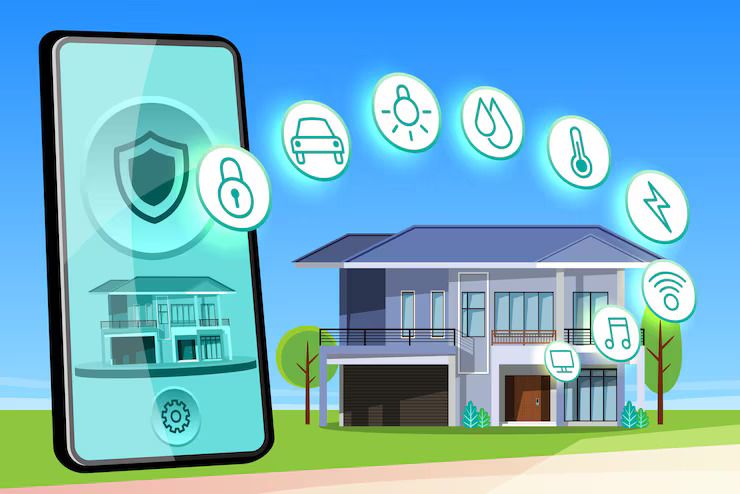
Smart home automation refers to the integration of connected devices and intelligent control systems that manage household functions such as lighting, climate, security, and appliances. These systems allow devices to communicate with each other and respond automatically to user preferences, environmental changes, or scheduled routines.
The concept developed from advancements in wireless communication, sensor technology, and energy management systems. As homes became more digitally connected, automation evolved from simple remote control functions to intelligent ecosystems capable of learning usage patterns and optimizing performance.
Smart home automation exists to enhance efficiency, comfort, energy management, and sustainability, while simplifying daily routines.
Why Smart Home Automation Matters Today
Smart home systems have become increasingly relevant as households seek improved energy efficiency, safety, and environmental responsibility.
Key reasons smart home automation is important today:
-
Energy Optimization: Automated climate and lighting systems reduce unnecessary power use.
-
Sustainability Support: Smart controls help lower household carbon impact.
-
Convenience and Comfort: Personalized settings adjust temperature and lighting automatically.
-
Enhanced Security: Integrated monitoring improves home awareness.
-
Data-Driven Decisions: Energy dashboards provide insight into usage trends.
Smart automation affects homeowners, renters, property developers, sustainability planners, and technology researchers. It addresses challenges such as rising energy demand, inefficient appliance use, and inconsistent indoor climate control.
Core Smart Home Automation Systems
Smart home automation typically includes several integrated subsystems.
1. Smart Lighting Systems
Automated lighting adjusts brightness based on occupancy, time of day, or natural light availability. Motion sensors and scheduling features improve efficiency.
2. Smart Climate Control
Connected thermostats regulate heating and cooling by analyzing usage patterns and environmental data.
3. Home Security and Access Control
Sensors, cameras, and digital locks enhance awareness and controlled access.
4. Energy Management Systems
Dashboards track electricity consumption and identify optimization opportunities.
5. Appliance Automation
Connected appliances operate based on predefined schedules or energy-saving modes.
| System Type | Primary Function | Sustainability Impact |
|---|---|---|
| Lighting Automation | Controls brightness and timing | Reduces electricity waste |
| Climate Automation | Regulates heating and cooling | Improves energy efficiency |
| Security Integration | Monitors entry and movement | Enhances safety |
| Energy Monitoring | Tracks usage patterns | Encourages responsible consumption |
Sustainability Benefits of Smart Home Automation
Smart home automation contributes to environmental sustainability by improving how energy and resources are used.
Major sustainability benefits include:
-
Reduced Energy Waste: Automated shutdown prevents unnecessary power use.
-
Efficient Heating and Cooling: Smart thermostats adjust based on occupancy.
-
Water Conservation: Automated irrigation systems limit overwatering.
-
Lower Emissions: Optimized energy usage reduces indirect carbon output.
-
Longer Appliance Lifespan: Controlled usage decreases wear and tear.
As global energy efficiency initiatives expand, smart home systems align with broader sustainability strategies and environmental policies.
Recent Innovations and Trends (2024–2025)
Smart home automation has seen rapid innovation in the past year, particularly in artificial intelligence and energy integration.
| Year | Innovation | Impact |
|---|---|---|
| 2024 | AI-driven climate learning | More precise temperature adjustments |
| 2024 | Interoperability standards expansion | Better device compatibility |
| 2025 | Solar energy integration dashboards | Improved renewable energy management |
| 2025 | Advanced voice and gesture control | Simplified user interaction |
Another major development is the integration of smart homes with renewable energy systems such as rooftop solar panels and battery storage solutions. Homes can now monitor real-time production and consumption patterns, enhancing grid efficiency.
Laws, Standards, and Policy Influence
Smart home automation systems operate within national and international regulatory frameworks.
Key regulatory areas include:
-
Energy efficiency standards: Encourage reduced electricity consumption.
-
Data privacy laws: Protect personal information collected by connected devices.
-
Electrical safety regulations: Ensure safe installation and device certification.
-
Green building codes: Promote sustainable design integration.
Many governments promote smart home technology through energy-saving programs and environmental policies designed to reduce residential energy consumption.
How Smart Home Automation Works
Smart homes rely on interconnected components working together.
Core technical components include:
-
Sensors that detect motion, light, temperature, or humidity
-
Controllers or hubs that process commands
-
Wireless communication protocols
-
User interfaces such as mobile dashboards
-
Cloud-based data processing for analytics
When sensors detect changes—such as temperature increases or room occupancy—the system automatically adjusts settings according to predefined rules or learned behaviors.
Practical Implementation Considerations
When exploring smart home automation, understanding implementation factors is essential.
Key considerations include:
-
Compatibility between devices
-
Internet reliability and network security
-
Scalability for future expansion
-
Data protection and encryption
-
Maintenance and software updates
Proper planning ensures long-term efficiency and system stability.
Tools and Learning Resources
To better understand smart home automation, several educational and technical resources are available.
Helpful resources include:
-
Energy efficiency handbooks
-
Smart grid research publications
-
Home energy audit guides
-
Sustainability planning frameworks
-
Electrical installation safety manuals
Practical learning aids:
-
Energy consumption calculators
-
Home automation architecture diagrams
-
Device compatibility charts
-
Environmental impact assessment tools
These resources help users evaluate system performance and environmental impact.
Frequently Asked Questions
What is the main goal of smart home automation?
The primary goal is to improve efficiency, comfort, and energy management through intelligent control systems.
Does smart home automation reduce energy usage?
Yes. Automated systems minimize unnecessary consumption by adjusting settings based on real-time data.
Are smart homes environmentally friendly?
They support sustainability when integrated with efficient appliances and renewable energy sources.
How secure are smart home systems?
Security depends on proper configuration, encrypted networks, and regular updates.
Can smart home systems operate without constant user input?
Yes. Many systems learn usage patterns and operate automatically.
Conclusion
Smart home automation represents a significant shift in residential living by combining connectivity, efficiency, and sustainability. Through intelligent systems that manage lighting, climate, energy, and security, modern homes can operate more responsibly and efficiently.
As innovation continues, smart homes are becoming more integrated with renewable energy systems and environmental goals. Understanding the systems, benefits, regulations, and implementation considerations helps homeowners and planners make informed decisions in a rapidly evolving technological landscape.