Guide to Robotic Home Cleaners: Working Principles, Automation, and Smart Features
Robotic home cleaners are automated devices designed to clean floors with minimal human involvement. They are primarily used for tasks such as vacuuming dust, collecting debris, and, in some models, damp wiping or mopping hard surfaces. These devices operate independently within a home environment using built-in sensors, motors, and control logic.
The concept of robotic home cleaning emerged in response to changing lifestyles. As households became busier and living spaces more compact, there was a growing need for tools that could manage routine cleaning without constant supervision. Traditional cleaning methods required time, physical effort, and repeated attention. Robotic cleaners were developed to automate these repetitive tasks and maintain cleanliness consistently.
Today, robotic home cleaners represent a shift toward automation in daily life, supporting convenience, efficiency, and smarter home management.
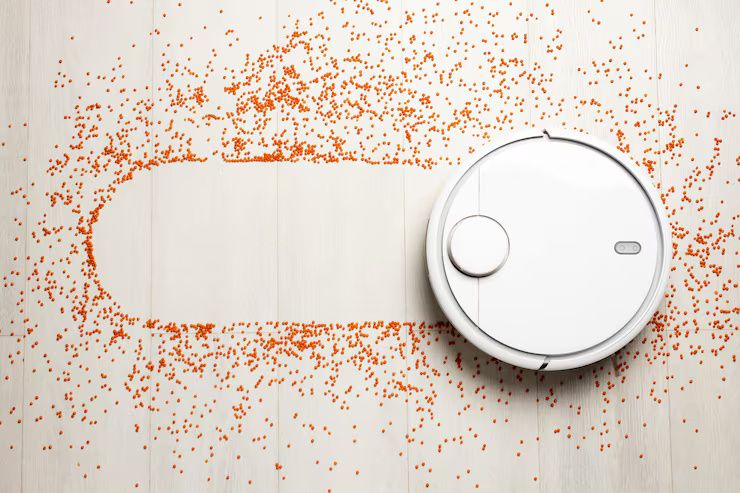
Importance: Why Robotic Home Cleaners Matter Today
Robotic home cleaners have become increasingly relevant as homes integrate more automated and intelligent systems.
Why this topic matters today:
-
Time efficiency: Reduces time spent on routine floor cleaning
-
Consistent cleanliness: Maintains regular cleaning schedules
-
Accessibility: Supports individuals with limited mobility
-
Smart living environments: Aligns with connected home ecosystems
-
Energy awareness: Optimized movement reduces unnecessary power use
These devices affect homeowners, apartment residents, elderly users, families with pets, and individuals managing busy schedules. Robotic home cleaners help solve challenges such as irregular cleaning habits, dust accumulation, and physical strain associated with manual cleaning.
Recent Updates: Trends and Developments (2024–2025)
Over the past year, robotic home cleaner technology has advanced notably in navigation accuracy, automation intelligence, and user adaptability.
| Year | Development or Trend | Practical Impact |
|---|---|---|
| 2024 | Improved sensor-based navigation | More accurate movement around furniture |
| 2024 | Enhanced mapping algorithms | Better room recognition and coverage |
| 2025 | Adaptive cleaning patterns | Cleaning intensity adjusted to floor type |
| 2025 | Stronger obstacle detection | Reduced collisions and missed areas |
Recent models also demonstrate better performance on mixed surfaces, quieter operation, and improved ability to handle pet hair and fine dust. Emphasis has shifted from simple movement to intelligent area coverage and behavior learning over time.
Laws, Policies, and Regulatory Considerations
Robotic home cleaners fall under general consumer electronics and household appliance regulations.
Key regulatory influences include:
-
Electrical safety standards: Ensure safe operation, insulation, and battery handling
-
Electromagnetic compliance rules: Control wireless signal emissions
-
Consumer product safety regulations: Address mechanical safety and materials
-
Environmental guidelines: Influence battery disposal and recycling practices
In many regions, household automation devices are expected to comply with national safety certification frameworks. Data protection laws may also apply when devices store or transmit usage or layout information.
Working Principles: How Robotic Home Cleaners Operate
Robotic home cleaners function through a combination of mechanical movement, sensing, and automated decision-making.
Basic working process:
-
Motors drive wheels and cleaning brushes
-
Sensors detect walls, obstacles, and floor edges
-
Navigation logic determines movement paths
-
Dirt and dust are collected into internal containers
-
Power systems manage operation cycles and recharging
Key system components include:
-
Drive motors: Enable movement and turning
-
Cleaning brushes: Sweep debris toward the intake
-
Suction mechanism: Draws dust into the container
-
Sensors: Detect obstacles, drop-offs, and surface changes
-
Control unit: Coordinates movement and cleaning patterns
This combination allows robotic cleaners to operate autonomously across different room layouts.
Automation and Navigation Technologies
Automation is the defining feature of robotic home cleaners.
Common automation approaches include:
-
Random navigation: Covers areas through non-patterned movement
-
Systematic navigation: Uses mapped routes for organized coverage
-
Sensor-based adjustment: Reacts in real time to obstacles
-
Zonal cleaning logic: Focuses on high-traffic areas
| Navigation Method | Key Advantage |
|---|---|
| Random movement | Simple coverage approach |
| Sensor-guided | Improved obstacle avoidance |
| Mapping-based | Higher efficiency and completeness |
| Adaptive learning | Improved performance over time |
Advanced automation helps reduce missed spots and unnecessary repetition.
Smart Features Found in Modern Robotic Cleaners
Smart features enhance usability and cleaning efficiency.
Common smart capabilities include:
-
Automated scheduling
-
Area-specific cleaning control
-
Floor-type recognition
-
Self-return for recharging
-
Cleaning performance reports
These features allow robotic cleaners to integrate smoothly into daily routines and adapt to household needs.
Tools and Learning Resources
Understanding robotic home cleaners is supported by educational and technical resources.
Helpful learning resources include:
-
Home automation technology guides
-
Consumer electronics engineering references
-
Appliance safety manuals
-
Smart home integration handbooks
-
Household energy efficiency publications
Reference tools often used:
-
Floor layout planning guides
-
Sensor technology diagrams
-
Battery performance charts
-
Maintenance checklists
These resources help users understand capabilities, limitations, and best-use practices.
Frequently Asked Questions
How do robotic home cleaners avoid falling down stairs?
They use drop-detection sensors that recognize height changes and stop movement.
Can robotic cleaners handle different floor types?
Yes. Many adjust cleaning behavior based on surface type.
Do robotic cleaners clean entire homes at once?
They typically clean within defined areas until battery levels require recharging.
Is manual cleaning still necessary?
Robotic cleaners support routine maintenance but may not replace deep cleaning.
How do robotic cleaners improve efficiency over time?
Some systems learn room layouts and optimize movement patterns.
Conclusion
Robotic home cleaners represent a practical application of automation in everyday living. By combining intelligent navigation, automated cleaning cycles, and smart features, they help maintain cleaner indoor environments with minimal effort.
As technology continues to evolve, robotic home cleaners are becoming more accurate, adaptive, and integrated into modern households. Understanding their working principles, automation systems, and regulatory context allows users to appreciate how these devices contribute to smarter, more efficient home management.