Guide to Perimeter Security Fencing: Types, Compliance Requirements, and Protection Strategies
Perimeter security fencing refers to physical barrier systems installed around properties to control access, deter intrusion, and define boundaries. These systems are commonly used around industrial facilities, commercial buildings, data centers, utility plants, warehouses, schools, and critical infrastructure sites.
The concept exists because organizations require a clear and controlled boundary between protected assets and public or uncontrolled areas. While walls and natural barriers have been used historically, modern perimeter fencing systems combine structural strength, visibility, and integration with surveillance technology to address evolving security risks.
Perimeter fencing is not only about blocking entry; it also supports layered security strategies. By establishing a first line of defense, fencing allows organizations to detect, delay, and respond to potential threats before sensitive areas are reached.
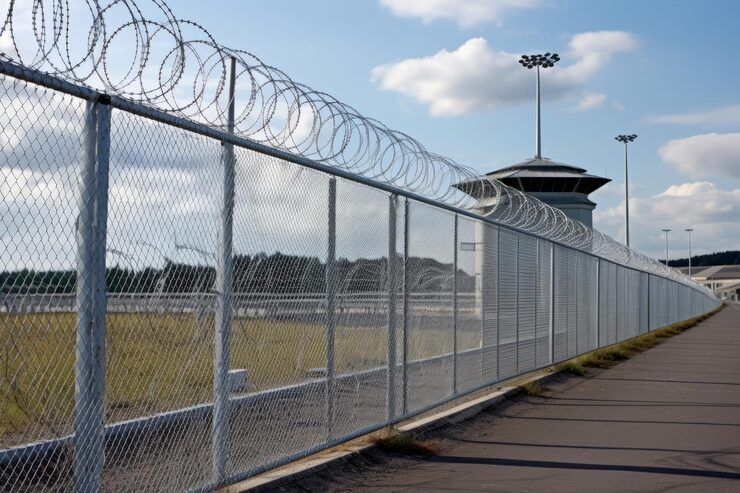
Importance: Why Perimeter Security Fencing Matters Today
Perimeter security fencing plays a vital role in protecting people, infrastructure, and operational continuity.
Why this topic matters in today’s environment:
-
Asset protection: Safeguards equipment, materials, and facilities
-
Access control: Limits unauthorized entry points
-
Risk reduction: Deters theft, vandalism, and intrusion
-
Regulatory compliance: Meets safety and security standards
-
Operational continuity: Minimizes disruptions caused by external threats
It affects facility managers, industrial operators, infrastructure planners, educational institutions, healthcare centers, and government sites. Perimeter fencing helps solve problems related to uncontrolled site access, property damage, perimeter breaches, and liability risks.
With increasing attention on infrastructure protection and workplace safety, perimeter security systems are considered a foundational component of overall site risk management.
Types of Perimeter Security Fencing
Different environments require different fencing solutions. Selection depends on threat level, visibility needs, terrain, and compliance standards.
| Fencing Type | Primary Feature | Typical Application |
|---|---|---|
| Chain-Link Fencing | Flexible and durable | Warehouses, storage yards |
| Welded Mesh Fencing | High strength and anti-climb design | Industrial facilities |
| Palisade Fencing | Strong vertical steel pales | High-security sites |
| Razor Wire Systems | Enhanced deterrence | Restricted zones |
| Anti-Climb Panels | Narrow mesh spacing | Schools, utilities |
| Electric Security Fencing | Active intrusion deterrent | Controlled-access facilities |
Modern perimeter fencing systems often integrate with:
-
Surveillance cameras
-
Motion detection sensors
-
Access gates with authentication controls
-
Lighting systems
These integrated systems improve visibility and response time during potential security events.
Recent Updates: Trends and Developments (2024–2025)
Over the past year, perimeter security fencing solutions have evolved to address new security and compliance expectations.
| Year | Trend or Update | Impact |
|---|---|---|
| 2024 | Increased use of anti-climb mesh systems | Improved resistance to scaling |
| 2024 | Integration with AI-enabled monitoring | Faster intrusion detection |
| Early 2025 | Enhanced corrosion-resistant coatings | Longer lifespan in harsh environments |
| Mid 2025 | Modular fencing systems | Easier expansion and site adaptation |
There has also been a shift toward environmentally considerate materials and designs that reduce visual impact while maintaining structural performance. Additionally, infrastructure protection initiatives in several regions have emphasized strengthening perimeter barriers around energy and transportation facilities.
Laws and Compliance Requirements
Perimeter security fencing is influenced by local, national, and industry-specific regulations.
Common regulatory considerations include:
-
Building codes: Specify height limits and setback distances
-
Occupational safety regulations: Ensure fencing does not create hazards
-
Critical infrastructure protection programs: Mandate protective barriers
-
School and public facility safety standards: Require controlled perimeter access
-
Electrical safety rules: Govern installation of electrified fencing
In the United States, infrastructure protection standards often align with Department of Homeland Security guidance. In the European Union, building and safety directives influence fencing design and installation. In India, industrial facilities follow local factory safety regulations that include perimeter control requirements.
Compliance may include minimum fence height, anti-climb features, secure gate mechanisms, and proper signage.
Protection Strategies: Layered Security Approach
Effective perimeter protection goes beyond selecting a fence type. A layered strategy enhances overall security performance.
Key protection strategies include:
-
Threat assessment: Identify risk level before selecting fencing type
-
Zoning: Separate public, controlled, and restricted areas
-
Lighting optimization: Improve nighttime visibility
-
Surveillance integration: Pair fencing with monitoring systems
-
Routine inspection: Detect damage or wear early
A comprehensive strategy ensures fencing functions as part of a coordinated security plan rather than as a standalone barrier.
Tools and Resources for Planning and Compliance
Several resources assist in planning, evaluating, and maintaining perimeter security fencing.
Helpful tools and references:
-
Site perimeter measurement calculators
-
Risk assessment templates
-
Building code reference portals
-
Facility security planning guides
-
Structural load and wind resistance charts
-
Inspection and maintenance checklists
Learning and informational platforms:
-
Infrastructure protection publications
-
Facility management associations
-
Government safety department websites
-
Security engineering manuals
These tools help organizations evaluate their perimeter needs and ensure alignment with regulatory requirements.
Frequently Asked Questions
1. What is the main purpose of perimeter security fencing?
It establishes a physical boundary to deter unauthorized access and protect assets within a defined area.
2. How is the appropriate fencing type selected?
Selection depends on threat level, environmental conditions, regulatory requirements, and visibility needs.
3. Are there height restrictions for security fencing?
Yes. Local building codes often define maximum and minimum fence heights.
4. Can perimeter fencing be combined with technology?
Yes. Many systems integrate with cameras, motion sensors, and access control mechanisms.
5. How often should perimeter fencing be inspected?
Routine inspections are recommended to identify structural damage, corrosion, or tampering.
Conclusion
Perimeter security fencing is a foundational component of site protection and risk management. By combining structural strength, regulatory compliance, and integrated monitoring systems, organizations can create a controlled and secure boundary around valuable assets.
As security expectations evolve and infrastructure protection gains greater attention, perimeter fencing systems continue to improve in durability, adaptability, and integration capability. Understanding the different types, compliance requirements, and strategic considerations enables informed decision-making and stronger overall site security.