Guide to Industrial Cleaning Equipment: Types, Working Principles, and Operational Knowledge
Industrial cleaning equipment refers to specialized machines and tools designed to remove dirt, dust, grease, waste, and contaminants from industrial environments. These environments include factories, warehouses, power plants, food processing units, transport hubs, and large commercial facilities. Unlike domestic cleaning tools, industrial equipment is built to handle large areas, heavy contamination, and frequent use.
The need for industrial cleaning equipment emerged as industrialization increased production scale and workplace complexity. Manufacturing processes generate residues such as metal particles, oil spills, chemical dust, and debris that cannot be managed effectively through manual cleaning alone. Industrial cleaning equipment exists to ensure safe working conditions, equipment reliability, and regulatory compliance while maintaining productivity.
Over time, these machines have evolved to address efficiency, worker safety, and environmental responsibility in demanding operational settings.
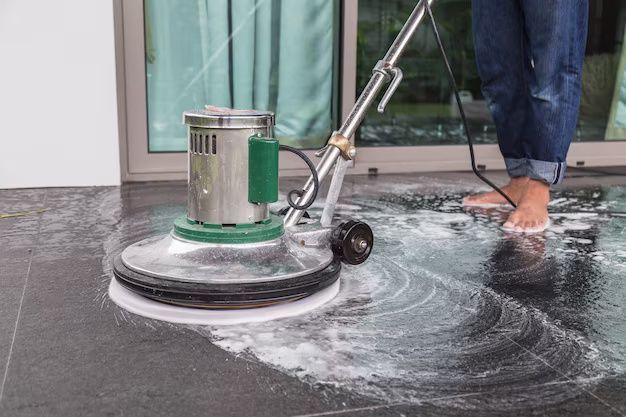
Importance: Why Industrial Cleaning Equipment Matters Today
Industrial cleaning equipment plays a crucial role in maintaining safe, efficient, and compliant industrial operations.
Why this topic matters today:
-
Workplace safety: Reduces slip hazards, dust exposure, and contamination risks
-
Equipment protection: Prevents buildup that can damage machinery and controls
-
Operational efficiency: Clean environments support smoother workflows
-
Health standards: Supports hygiene requirements in sensitive industries
-
Regulatory compliance: Helps meet environmental and occupational guidelines
This equipment affects facility managers, safety officers, maintenance teams, production supervisors, and industrial planners. It solves problems related to accumulated waste, air quality issues, cross-contamination, and unsafe working surfaces.
Industries such as manufacturing, pharmaceuticals, food processing, logistics, automotive, mining, and energy production rely heavily on industrial cleaning systems.
Recent Updates: Industry Trends and Developments (2024–2025)
In the past year, industrial cleaning technology has advanced with a focus on efficiency, sustainability, and automation.
| Year | Development or Trend | Operational Impact |
|---|---|---|
| 2024 | Increased use of automated floor cleaners | Reduced manual effort and consistent results |
| 2024 | Improved filtration systems | Better dust and particle containment |
| 2025 | Energy-efficient motor designs | Lower operational energy usage |
| 2025 | Compact modular equipment | Easier movement in confined spaces |
Recent developments also include improved noise reduction, enhanced water recovery systems, and better ergonomic designs to reduce operator fatigue during extended cleaning cycles.
Laws, Standards, and Regulatory Influence
Industrial cleaning equipment is influenced by workplace safety, environmental protection, and hygiene regulations.
Common regulatory considerations include:
-
Occupational safety regulations: Address exposure to dust, chemicals, and slippery surfaces
-
Environmental protection guidelines: Control waste disposal and water usage
-
Industry-specific hygiene standards: Especially important in food and pharmaceutical facilities
-
Machinery safety rules: Cover guarding, electrical safety, and operator protection
Many countries require documented cleaning procedures and regular inspections to ensure safe and compliant industrial environments.
Types of Industrial Cleaning Equipment
Industrial cleaning equipment is available in multiple forms, each suited to specific tasks and environments.
Common types include:
-
Industrial vacuum cleaners: Remove dust, debris, and fine particles
-
Floor scrubbers: Clean large floor areas using rotating brushes
-
Pressure cleaning units: Use high-pressure water for surface cleaning
-
Steam cleaning systems: Remove grease and contaminants using heat
-
Sweepers: Collect loose debris from indoor and outdoor surfaces
| Equipment Type | Primary Function | Typical Use Area |
|---|---|---|
| Industrial vacuum | Dust and debris removal | Factories, workshops |
| Floor scrubber | Surface washing | Warehouses, plants |
| Pressure cleaner | Deep surface cleaning | Industrial yards |
| Steam cleaner | Grease and sanitation | Food processing |
| Sweeper machine | Debris collection | Logistics hubs |
Each type is selected based on contamination level, surface type, and operational scale.
Working Principles: How Industrial Cleaning Equipment Operates
Industrial cleaning equipment works using mechanical action, suction, pressure, heat, or combinations of these principles.
Basic working principles explained:
-
Mechanical agitation: Brushes or pads loosen dirt from surfaces
-
Suction: Vacuums draw contaminants into sealed containers
-
Pressure application: Water jets dislodge stubborn deposits
-
Thermal action: Heat breaks down grease and organic matter
-
Filtration: Captured debris is separated from air or water
These processes are designed to clean efficiently while minimizing disruption to industrial operations.
Operational Knowledge: Key Practices for Effective Use
Effective operation of industrial cleaning equipment requires planning, training, and routine checks.
Pre-operation considerations:
-
Assess surface type and contamination level
-
Select appropriate equipment and attachments
-
Check power supply and safety features
During operation:
-
Follow recommended operating speeds
-
Monitor filters and collection tanks
-
Maintain safe distances from machinery and personnel
Post-operation practices:
-
Empty and clean collection containers
-
Inspect brushes, hoses, and seals
-
Store equipment in designated areas
Proper operation improves cleaning effectiveness and extends equipment lifespan.
Tools and Learning Resources
Understanding industrial cleaning equipment is supported by technical and educational resources.
Helpful learning resources include:
-
Facility maintenance manuals
-
Industrial safety handbooks
-
Environmental management guides
-
Equipment operation and inspection manuals
-
Workplace training programs
Reference tools commonly used:
-
Cleaning schedule templates
-
Surface compatibility charts
-
Maintenance inspection checklists
-
Safety compliance documentation
These resources help ensure consistent and safe cleaning practices.
Frequently Asked Questions
What is the main purpose of industrial cleaning equipment?
To maintain safe, clean, and efficient industrial environments by removing contaminants.
How is industrial cleaning different from regular cleaning?
It handles larger areas, heavier contamination, and stricter safety and hygiene requirements.
Are industrial cleaning machines used indoors only?
No. Many are designed for both indoor and outdoor industrial environments.
Why is filtration important in cleaning equipment?
Filtration prevents dust and particles from being released back into the air.
How often should industrial cleaning equipment be inspected?
Regular inspections help detect wear, maintain performance, and ensure safety.
Conclusion
Industrial cleaning equipment is an essential part of modern industrial operations. By maintaining clean surfaces, controlling dust, and removing contaminants, these machines protect workers, support equipment reliability, and help organizations meet safety and environmental standards.
As industries continue to prioritize efficiency and sustainability, industrial cleaning equipment will keep evolving through improved automation, energy efficiency, and ergonomic design. Understanding their types, working principles, and operational practices provides valuable insight into maintaining safe and productive industrial environments.