Guide to Ice Cream Making Machines: Technology, Features, and Operational Details
Ice cream making machines are specialized food processing systems designed to mix, freeze, aerate, and solidify liquid ice cream mix into a smooth, stable frozen product. These machines exist because producing consistent texture, flavor distribution, and safe food quality requires controlled temperature reduction and mechanical agitation.
Traditional hand-churning methods were limited in scale and consistency. As demand increased in food service and manufacturing environments, automated ice cream machines were developed to ensure uniform freezing, precise air incorporation (overrun), and food safety compliance.
Today, ice cream machines are used in small dessert outlets, large-scale food production plants, research kitchens, and dairy processing facilities.
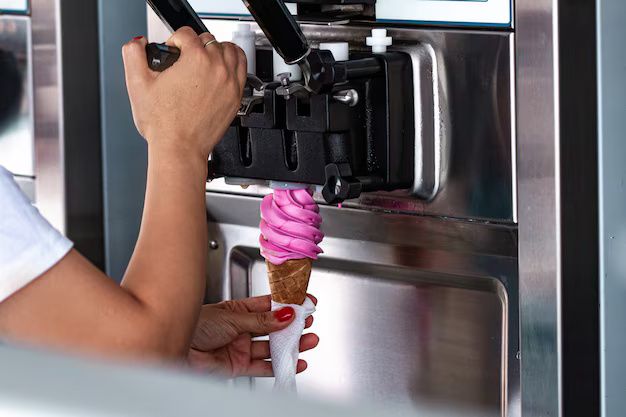
Why Ice Cream Making Machines Matter Today
Ice cream production requires precision control over temperature, mixing speed, and freezing time. Without controlled systems, the result may have large ice crystals, uneven texture, or inconsistent flavor.
Why this topic is important:
-
Texture consistency: Fine ice crystal formation creates smooth structure
-
Controlled overrun: Proper air incorporation affects density and mouthfeel
-
Food safety compliance: Hygienic processing prevents contamination
-
Energy efficiency: Modern machines optimize freezing cycles
-
Scalable production: Supports both small-batch and continuous output
Industries affected include dairy processing, food manufacturing, hospitality, catering, and frozen dessert research. Ice cream machines help solve problems such as texture instability, bacterial growth risk, uneven freezing, and batch inconsistency.
Recent Updates and Industry Trends (2024–2025)
Over the past year, ice cream machine technology has focused on efficiency, hygiene, and automation.
| Year | Development or Trend | Operational Impact |
|---|---|---|
| 2024 | Improved compressor efficiency | Faster freezing with lower energy usage |
| 2024 | Smart temperature sensors | More precise consistency control |
| 2025 | Automated cleaning cycles | Enhanced hygiene management |
| 2025 | Compact modular production units | Flexible scaling for production lines |
Recent industry reports highlight increased demand for plant-based frozen desserts, requiring machines capable of handling alternative milk bases with different freezing characteristics.
Laws, Regulations, and Food Safety Standards
Ice cream production equipment must comply with food safety and hygiene regulations.
Key regulatory frameworks include:
-
Food safety standards (HACCP-based systems)
-
FDA food equipment guidelines (USA)
-
FSSAI regulations (India)
-
EU food contact material regulations
-
ISO 22000 food safety management systems
These regulations typically require:
-
Stainless steel food-contact surfaces
-
Easy-to-clean components
-
Temperature monitoring systems
-
Sanitation documentation
-
Proper storage and handling practices
Compliance ensures product safety and consumer health protection.
Types of Ice Cream Making Machines
Ice cream machines are classified based on production scale and freezing method.
1. Batch Freezers
Designed for controlled, small to medium production volumes. Ideal for artisan-style products and flavor experimentation.
2. Continuous Freezers
Used in industrial production lines. Provide constant flow processing with controlled overrun and high output capacity.
3. Soft Serve Machines
Maintain semi-frozen consistency suitable for immediate dispensing.
4. Gelato and Specialty Machines
Operate at slightly higher serving temperatures and lower overrun.
| Machine Type | Primary Use | Production Level |
|---|---|---|
| Batch freezer | Artisan and specialty products | Small to medium |
| Continuous freezer | Large-scale manufacturing | High volume |
| Soft serve | On-demand dispensing | Retail settings |
| Gelato system | Dense frozen desserts | Specialty outlets |
Technology Behind Ice Cream Machines
The core technology of ice cream making machines combines refrigeration and mechanical agitation.
Key technological components:
-
Compressor system: Lowers temperature of freezing cylinder
-
Evaporator barrel: Surface where freezing occurs
-
Dasher or scraper blades: Prevent ice buildup and maintain smooth texture
-
Air injection system: Controls overrun
-
Temperature sensors: Monitor product consistency
-
Control panel: Regulates time, speed, and freezing cycles
The freezing process must be rapid to minimize large ice crystal formation, ensuring a smooth final texture.
Operational Details and Best Practices
Effective operation depends on consistent procedures and environmental control.
Important operational considerations:
-
Pre-chill the mixture before processing
-
Monitor mix composition (fat, sugar, stabilizers)
-
Maintain proper cylinder temperature
-
Avoid overfilling the freezing chamber
-
Follow scheduled sanitation cycles
Common operational metrics:
-
Freezing time
-
Overrun percentage
-
Product temperature at discharge
-
Batch yield
Maintaining stable parameters ensures predictable results.
Maintenance and Hygiene Insights
Proper maintenance ensures equipment longevity and food safety.
Maintenance practices include:
-
Daily cleaning of contact surfaces
-
Inspection of seals and gaskets
-
Monitoring compressor performance
-
Checking refrigerant pressure levels
-
Verifying sensor accuracy
Routine inspections reduce contamination risk and improve machine reliability.
Tools and Learning Resources
Understanding ice cream making machines can be supported through:
-
Dairy processing engineering textbooks
-
Food technology training manuals
-
HACCP compliance guides
-
Industrial refrigeration handbooks
-
Equipment operation manuals
Practical reference tools:
-
Overrun calculation charts
-
Ingredient formulation guides
-
Temperature control logs
-
Sanitation checklists
These resources help operators and students develop strong technical understanding.
Frequently Asked Questions
What is overrun in ice cream production?
Overrun refers to the percentage of air incorporated during freezing, affecting texture and density.
Why is rapid freezing important?
Rapid freezing prevents large ice crystal formation, ensuring smooth consistency.
Can ice cream machines handle non-dairy mixes?
Yes, modern systems are capable of processing plant-based formulations with adjusted settings.
How often should machines be cleaned?
Cleaning frequency depends on usage volume but typically follows daily sanitation protocols.
What affects final texture quality?
Ingredient composition, freezing speed, air incorporation, and storage conditions all influence texture.
Conclusion
Ice cream making machines combine refrigeration science, mechanical mixing, and precise control systems to produce smooth, safe, and consistent frozen desserts. From small batch operations to large industrial production lines, these machines ensure efficiency, hygiene, and product stability.
As technology continues to advance, improvements in sensor accuracy, energy efficiency, and automation will further refine production capabilities. Understanding the technology, regulatory framework, and operational best practices provides valuable insight into modern frozen dessert manufacturing.