Guide to Biogas Plants: Working Principles, Feedstock Types, and Environmental Impact
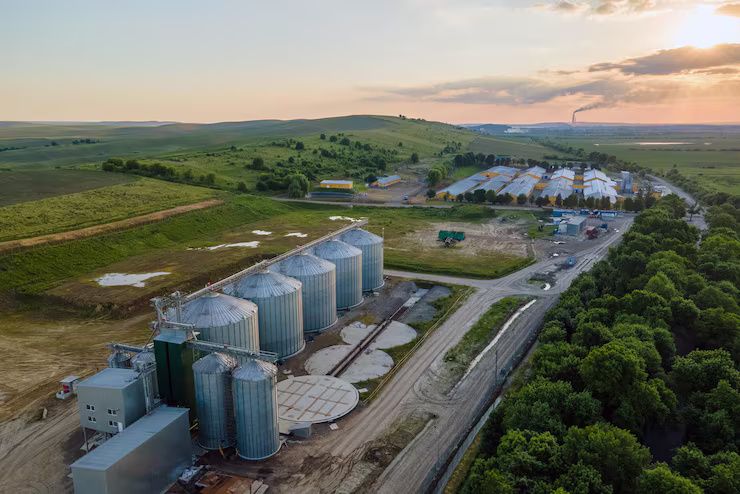
Biogas plants are systems designed to convert organic waste into usable energy through a natural biological process. They operate by breaking down biodegradable materials in an oxygen-free environment to produce biogas, a mixture primarily composed of methane and carbon dioxide. This gas can be used as an energy source, while the remaining material becomes nutrient-rich digestate.
Biogas plants exist because organic waste—such as agricultural residues, food waste, and animal manure—poses environmental challenges when left unmanaged. Traditional disposal methods can lead to pollution, greenhouse gas emissions, and health risks. Biogas technology was developed to address these issues by transforming waste into a renewable energy resource while reducing environmental harm.
Historically used in rural and agricultural settings, biogas plants are now applied across industrial, municipal, and community-scale operations due to growing interest in sustainable energy and waste management.
Importance: Why Biogas Plants Matter Today
Biogas plants are increasingly important in the context of energy security, environmental protection, and sustainable development.
Why this topic matters today:
-
Renewable energy generation: Biogas provides a locally produced energy source
-
Waste management: Converts organic waste into useful outputs
-
Emission reduction: Captures methane that would otherwise escape into the atmosphere
-
Agricultural support: Produces digestate that supports soil health
-
Energy decentralization: Reduces dependence on centralized energy systems
Biogas plants affect farmers, municipalities, waste management authorities, energy planners, environmental researchers, and rural communities. They help solve problems related to waste accumulation, uncontrolled methane emissions, and reliance on fossil-based energy sources.
Recent Updates: Trends and Developments (2024–2025)
Over the past year, biogas technology has continued to advance with a focus on efficiency, scalability, and environmental performance.
| Year | Development or Trend | Environmental and Industrial Impact |
|---|---|---|
| 2024 | Improved digester designs | Higher gas yield and process stability |
| 2024 | Co-digestion expansion | Better utilization of mixed organic waste |
| 2025 | Upgraded gas purification methods | Cleaner biogas suitable for broader use |
| 2025 | Digital monitoring adoption | Improved process control and reliability |
Recent studies published in 2024 highlighted improved methane recovery rates and better handling of variable feedstock quality. There is also increasing interest in integrating biogas plants with agricultural and municipal waste systems for circular resource use.
Laws, Policies, and Regulatory Influence
Biogas plants are influenced by environmental, energy, and waste management regulations that vary by country but follow common principles.
Key regulatory areas include:
-
Renewable energy policies: Encourage energy generation from biological sources
-
Waste management regulations: Promote treatment of organic waste through controlled processes
-
Environmental protection laws: Limit emissions, odor, and groundwater contamination
-
Agricultural guidelines: Govern digestate handling and land application
Many governments support biogas development through national clean energy programs and rural sustainability initiatives. Regulatory frameworks often emphasize safety, environmental protection, and responsible waste handling.
Working Principles: How Biogas Plants Operate
Biogas plants operate through a biological process known as anaerobic digestion.
Step-by-step working principle:
-
Organic feedstock is collected and prepared
-
Material is fed into an airtight digester
-
Microorganisms break down organic matter without oxygen
-
Biogas is released and collected at the top of the digester
-
Digestate exits the system for storage or further use
Key process stages include:
-
Hydrolysis: Complex materials break down into simpler compounds
-
Acidogenesis: Simple compounds convert into organic acids
-
Acetogenesis: Acids transform into acetic acid and hydrogen
-
Methanogenesis: Methane-producing bacteria generate biogas
Temperature control, retention time, and feedstock consistency are critical for stable biogas production.
Feedstock Types Used in Biogas Plants
The type of organic material used has a significant impact on gas yield and process efficiency.
Common feedstock categories include:
-
Agricultural waste: Animal manure, crop residues
-
Food and kitchen waste: Organic leftovers, food processing residues
-
Municipal organic waste: Biodegradable household waste
-
Industrial organic byproducts: Effluents from food and beverage processing
-
Energy crops: Plant materials grown specifically for digestion
| Feedstock Type | Typical Source | Biogas Yield Potential |
|---|---|---|
| Animal manure | Farms | Moderate |
| Food waste | Urban areas | High |
| Crop residues | Agriculture | Medium |
| Industrial organics | Processing plants | High |
Combining different feedstocks, known as co-digestion, often improves overall system performance.
Environmental Impact of Biogas Plants
Biogas plants have a multifaceted environmental impact, largely positive when properly managed.
Environmental benefits include:
-
Reduced greenhouse gas emissions: Captures methane before release
-
Improved waste treatment: Reduces odor and pathogen levels
-
Renewable energy contribution: Displaces fossil-based energy sources
-
Nutrient recycling: Digestate supports sustainable agriculture
-
Lower landfill dependency: Diverts organic waste from disposal sites
Potential environmental concerns—such as leakage, improper digestate handling, or odor—are managed through proper design, monitoring, and regulatory compliance.
Tools and Learning Resources
Understanding biogas plants is supported by a range of technical and educational resources.
Helpful learning resources include:
-
Environmental engineering textbooks
-
Renewable energy research journals
-
Government clean energy portals
-
Agricultural sustainability manuals
-
Waste-to-energy technical guides
Reference tools commonly used:
-
Biogas yield estimation charts
-
Feedstock composition tables
-
Process temperature and retention-time diagrams
-
Environmental impact assessment templates
These tools help planners, students, and professionals understand system design and performance expectations.
Frequently Asked Questions
What is the main purpose of a biogas plant?
Its primary purpose is to convert organic waste into renewable energy while reducing environmental impact.
Does biogas production require oxygen?
No. Biogas is produced through anaerobic digestion, which occurs without oxygen.
What happens to the leftover material after digestion?
The remaining digestate is often used as a soil nutrient source after proper handling.
Are biogas plants suitable for urban areas?
Yes. When properly designed, they can process municipal organic waste safely.
How does feedstock choice affect performance?
Different materials produce varying gas yields and influence process stability.
Conclusion
Biogas plants represent a practical intersection of waste management, renewable energy, and environmental protection. By converting organic waste into usable energy and valuable byproducts, they support circular resource use and reduce the environmental footprint of human activities.
As technology advances and sustainability goals gain importance, biogas plants are becoming more efficient, adaptable, and widely implemented. Understanding their working principles, feedstock options, regulatory context, and environmental impact provides valuable insight into a key component of modern sustainable infrastructure.