Guide to Automatic Bottle Fillers: Working Principles, Machine Types, and Production Efficiency
Automatic bottle fillers are industrial machines designed to dispense liquids, semi-liquids, or powders into containers with consistent volume and minimal manual intervention. These systems are widely used in beverage production, pharmaceuticals, chemical processing, cosmetics manufacturing, and food packaging facilities.
The purpose of automatic filling technology is to maintain precision, speed, and hygiene during the packaging process. Manual filling methods often introduce variability in volume, contamination risks, and production delays. Automated filling equipment addresses these issues by controlling flow rate, timing, and container positioning with high repeatability.
A typical automatic bottle filling system includes conveyors, filling heads, sensors, and control mechanisms that coordinate the movement of containers and the measured dispensing of products. This integration allows production lines to operate continuously while maintaining uniform output.
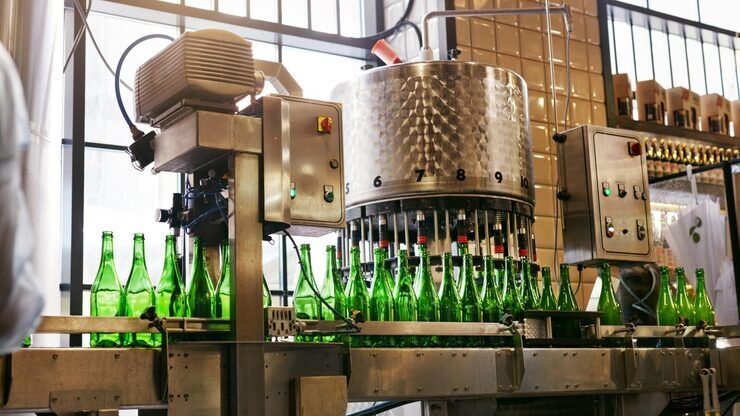
Why Automatic Bottle Fillers Matter in Modern Manufacturing
Automatic bottle fillers have become essential in industries where consistent packaging and efficient production are critical.
Key reasons they are important today:
-
Production consistency: Ensures uniform fill levels across large batches
-
Operational efficiency: Supports high-speed production environments
-
Product safety: Reduces contamination risk through controlled processes
-
Material conservation: Accurate filling minimizes waste
-
Scalability: Automated lines support expanding production volumes
These systems affect manufacturing engineers, plant managers, quality assurance teams, packaging designers, and regulatory inspectors. They help solve problems related to inconsistent packaging, slow production cycles, and human error during repetitive tasks.
In sectors such as beverages, pharmaceuticals, and personal care products, precise filling also supports regulatory compliance and consumer safety.
Recent Developments in Bottle Filling Technology (2024–2025)
Over the past year, automatic bottle filling systems have evolved with improvements in automation, accuracy, and production monitoring.
| Year | Development | Industrial Impact |
|---|---|---|
| 2024 | Increased adoption of servo-driven filling systems | Improved precision and adjustable filling speeds |
| 2024 | Enhanced hygienic machine designs | Better cleaning and sanitation performance |
| Early 2025 | Integration of real-time monitoring sensors | Improved detection of filling irregularities |
| 2025 | Compact modular production lines | Easier expansion and layout flexibility |
Manufacturers have also focused on reducing mechanical vibration, improving nozzle design, and optimizing flow control for different liquid viscosities. These improvements contribute to higher production efficiency and better product integrity.
Laws, Standards, and Regulatory Frameworks
Automatic bottle filling equipment operates within strict regulatory environments, particularly in food, beverage, and pharmaceutical sectors.
Common regulatory considerations include:
-
Food safety regulations: Packaging equipment must meet hygiene and sanitation standards.
-
Pharmaceutical manufacturing guidelines: Filling accuracy and contamination prevention are critical.
-
Industrial machinery safety regulations: Machines must include protective guards and emergency controls.
-
Environmental compliance standards: Address wastewater management and material handling.
International standards such as ISO quality management systems and food safety frameworks influence the design and operation of automated bottling lines. Compliance ensures product safety and consistent production quality.
Machine Types Used in Automatic Bottle Filling
Different filling technologies are used depending on product characteristics such as viscosity, foam formation, and required accuracy.
| Machine Type | Working Principle | Typical Application |
|---|---|---|
| Gravity Fillers | Liquid flows naturally into containers through controlled valves | Water, juices, low-viscosity liquids |
| Volumetric Fillers | Dispense a measured volume per cycle | Cooking oils, chemicals |
| Piston Fillers | Use piston movement to push product into containers | Thick liquids, sauces |
| Overflow Fillers | Maintain consistent fill level regardless of bottle variations | Beverages and cosmetic liquids |
| Pump Fillers | Pumps control product flow and filling speed | Diverse liquid viscosities |
Each machine type offers advantages depending on product density, packaging speed, and accuracy requirements.
Working Principles of Automatic Bottle Fillers
Automatic filling machines rely on synchronized mechanical and fluid-handling processes.
Typical operation process:
-
Empty containers move along a conveyor system.
-
Sensors detect container presence and position.
-
Filling heads align above the containers.
-
Liquid or product is dispensed through controlled valves or pumps.
-
Containers move to sealing, capping, or labeling stations.
This automated sequence ensures consistent timing and minimizes interruptions in production flow.
Tools and Resources for Learning About Bottle Filling Systems
Professionals and learners studying bottle filling technology often rely on technical resources and industry references.
Useful learning resources include:
-
Packaging engineering textbooks
-
Food processing and manufacturing journals
-
Industrial automation training manuals
-
Engineering reference guides for fluid handling
Practical planning tools:
-
Production throughput calculators
-
Container volume reference tables
-
Maintenance inspection checklists
-
Sanitation and cleaning protocol templates
These resources help manufacturing teams understand machine capacity, performance limits, and operational best practices.
Frequently Asked Questions
What is the main function of an automatic bottle filler?
Its primary role is to dispense precise volumes of product into containers while maintaining consistent production speed and hygiene.
Which industries rely most on automatic bottle filling machines?
Beverage production, pharmaceuticals, food processing, cosmetics manufacturing, and chemical packaging.
How is filling accuracy maintained?
Accuracy is controlled through calibrated valves, pumps, sensors, and programmable timing systems.
Why are hygienic designs important in bottle filling machines?
They prevent contamination and allow thorough cleaning, especially for food and pharmaceutical products.
Can automatic fillers handle different container sizes?
Yes. Many machines allow adjustments to accommodate varying bottle shapes and volumes.
Conclusion
Automatic bottle fillers are fundamental components of modern packaging and production lines. By combining precise measurement, automated container handling, and hygienic design, these machines enable industries to maintain consistent output while meeting strict safety and quality standards.
As manufacturing technology advances, bottle filling systems continue to evolve through improved automation, modular design, and enhanced monitoring capabilities. Understanding how these machines work, the types available, and the regulations that shape their use provides valuable insight into efficient and responsible production practices.