Generative Video Editing Explained: AI Techniques, Workflow Automation, and Creative Insights
Generative video editing refers to the use of artificial intelligence models to create, modify, enhance, or transform video content automatically or semi-automatically. Unlike traditional editing, which relies heavily on manual adjustments, generative techniques use trained algorithms to generate visual elements, improve footage quality, automate scene transitions, or even create entirely new visual sequences.
This approach exists because video production has become more complex and content demand has increased dramatically. Social platforms, marketing campaigns, educational materials, and entertainment formats require faster turnaround times while maintaining creative quality. Generative editing helps reduce repetitive tasks and expand creative possibilities by using data-driven techniques.
In simple terms, it combines machine learning models, visual pattern recognition, and automation frameworks to streamline editing workflows and enable new storytelling styles.
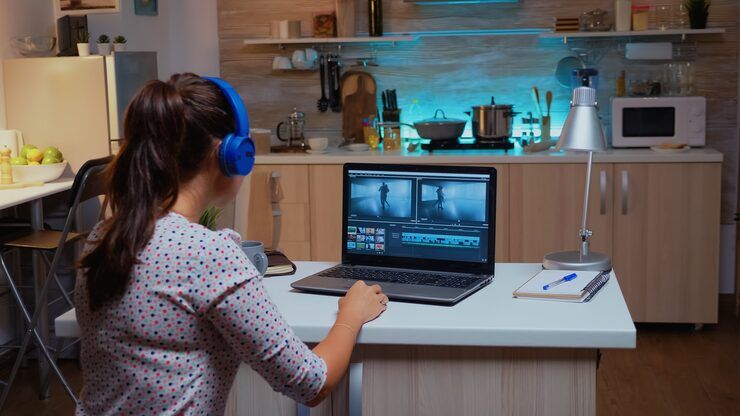
Importance: Why Generative Video Editing Matters Today
Generative video editing matters because visual communication is central to digital engagement. Businesses, educators, content creators, and media organizations rely on video to reach audiences efficiently.
Key reasons this topic is important:
-
Time efficiency: Automates repetitive editing tasks
-
Scalability: Enables production of multiple variations quickly
-
Creative enhancement: Introduces visual styles and transitions beyond manual limits
-
Accessibility: Assists users with limited technical editing skills
-
Cost control: Reduces resource-intensive manual processes
This technology affects content creators, marketing teams, production studios, training institutions, and digital media platforms. It helps solve challenges related to tight deadlines, limited editing staff, and high content volume requirements.
AI Techniques Used in Generative Video Editing
Generative video editing relies on several advanced AI methods.
Common techniques include:
-
Generative Adversarial Networks (GANs): Used for image-to-image transformation and scene enhancement
-
Diffusion models: Create smooth frame transitions and realistic video effects
-
Neural style transfer: Applies artistic styles to video sequences
-
Motion prediction algorithms: Enhance frame interpolation and slow-motion effects
-
Object segmentation models: Isolate and manipulate specific elements within a scene
These techniques allow systems to fill missing frames, remove unwanted objects, generate realistic backgrounds, and enhance lighting automatically.
Workflow Automation in Video Production
One of the most practical benefits of generative video editing is workflow automation.
| Workflow Stage | Traditional Method | Generative Approach |
|---|---|---|
| Scene selection | Manual review | AI scene detection |
| Color correction | Manual adjustments | Automated color grading |
| Background editing | Frame-by-frame masking | AI-based segmentation |
| Captioning | Manual typing | Automatic speech recognition |
| Video resizing | Manual cropping | Smart reframing |
Automation reduces repetitive work and allows editors to focus on creative direction rather than technical adjustments.
Recent Updates and Industry Trends (2024–2025)
Over the past year, generative video editing has seen rapid advancements.
| Year | Development | Impact |
|---|---|---|
| 2024 | Real-time generative previews | Faster creative experimentation |
| 2024 | Improved voice-to-video synchronization | Better automated narration alignment |
| 2025 | Higher-resolution frame synthesis | Enhanced visual realism |
| 2025 | Expanded multilingual caption models | Broader accessibility |
Another notable trend is the integration of generative editing within collaborative production environments, allowing teams to adjust visuals and effects dynamically while maintaining consistency.
Laws, Policies, and Ethical Considerations
Generative video editing is influenced by digital content regulations and data protection policies.
Key considerations include:
-
Copyright and intellectual property laws: Protect original video material and prevent unauthorized transformations
-
Data protection regulations: Govern how training data is collected and used
-
Disclosure requirements: Some regions encourage transparency when AI-generated elements are used
-
Platform content guidelines: Restrict misleading or manipulated visual content
Responsible use of generative editing ensures creative freedom while respecting legal and ethical boundaries.
Tools and Learning Resources
Understanding generative video editing is supported by educational materials and technical references.
Learning resources include:
-
Machine learning and computer vision textbooks
-
Online courses covering neural networks and generative models
-
Academic research papers on video synthesis
-
Creative media production guides
Practical tools often used:
-
Video processing libraries
-
Frame interpolation utilities
-
Caption generation systems
-
AI-based color grading tools
These resources help learners understand the balance between automation and creative control.
Creative Insights: Expanding Visual Storytelling
Generative editing allows creators to explore new forms of storytelling.
Creative possibilities include:
-
Transforming day scenes into night settings
-
Generating dynamic backgrounds
-
Creating stylized transitions
-
Enhancing historical footage clarity
-
Producing personalized video variations for different audiences
By blending automation with artistic direction, creators can experiment more freely without extending production timelines.
Frequently Asked Questions
What is generative video editing in simple terms?
It is the use of AI models to automatically create or modify video content.
Does it replace traditional editing?
It complements traditional editing by automating repetitive tasks and offering new creative tools.
Is generative video editing suitable for professional production?
Yes, when combined with quality control and ethical standards.
How does automation improve workflow efficiency?
It reduces manual adjustments, speeds up editing stages, and increases consistency.
Are there ethical concerns?
Yes. Responsible use is essential to prevent misleading content and protect intellectual property.
Conclusion
Generative video editing represents a significant evolution in digital media production. By combining artificial intelligence techniques with automated workflows, it enhances efficiency, expands creative possibilities, and supports scalable content development.
As AI models continue to improve in resolution, realism, and responsiveness, generative editing will become increasingly integrated into professional and educational video production. Understanding the technology, regulatory environment, and creative applications helps users approach it thoughtfully and effectively.