Exploring Smart Ring Technology: Facts, Capabilities, and Practical Knowledge
Smart ring technology refers to small, wearable devices designed in the form of a ring that can track data, connect to digital systems, and support everyday activities. These rings combine compact sensors, wireless connectivity, and software integration to deliver useful information directly from the finger. As part of the broader field of wearable technology, smart rings aim to provide similar functions to smartwatches and fitness bands but in a more subtle form.
The idea of wearable computing has evolved over decades, starting with basic step counters and gradually expanding into advanced devices that monitor health, sleep, and activity. Smart rings emerged as a response to the need for smaller, less intrusive wearables. Their design allows continuous use without the bulk of larger devices, making them suitable for users who prefer minimal accessories.
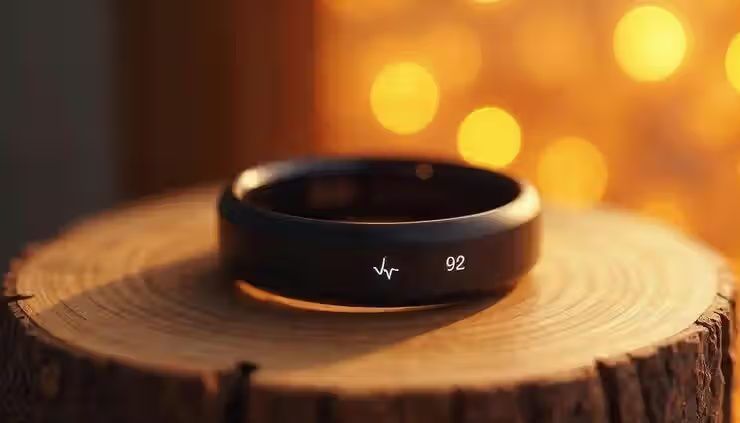
Smart rings typically include sensors that measure movement, heart rate, temperature, and other physical signals. These data points are processed through connected mobile applications, where users can view insights about their daily routines. While the concept may seem modern, it is rooted in long-standing efforts to merge technology with everyday objects.
Importance
Smart ring technology matters because it reflects a shift toward more discreet and continuous health and lifestyle monitoring. Many people are interested in understanding their habits, such as sleep quality or activity levels, without relying on larger or more noticeable devices.
For everyday users, smart rings can help address common challenges. These include tracking sleep patterns without wearing a watch overnight, monitoring activity during work hours without distraction, and gaining insights into overall wellness trends. The compact design allows for long-term wear, which can lead to more consistent data collection.
Different groups benefit from this technology in various ways. For example:
- Individuals interested in personal health awareness can monitor patterns like sleep cycles and movement.
- Office workers may use smart rings to track daily activity levels while maintaining a professional appearance.
- Athletes and fitness enthusiasts can use them as supplementary tools alongside other devices.
- Technology users who prefer minimal accessories may find smart rings more comfortable than wrist-based wearables.
By addressing the need for unobtrusive tracking, smart rings contribute to a broader trend of integrating technology seamlessly into daily life.
Recent Updates
Between 2024 and 2026, smart ring technology has seen gradual improvements in both hardware and software capabilities. One notable trend is the enhancement of sensor accuracy. Newer designs focus on improving how rings measure heart rate variability, skin temperature, and movement patterns, leading to more reliable data.
Battery efficiency has also improved. Many smart rings now support longer usage periods between charges, which reduces the need for frequent maintenance. This aligns with user expectations for devices that can operate continuously without interruption.
Another development involves integration with broader digital ecosystems. Smart rings are increasingly compatible with mobile health platforms, allowing users to combine data from multiple devices. This creates a more comprehensive view of personal health and activity.
There has also been a growing focus on data interpretation. Instead of simply displaying raw numbers, modern applications provide simplified summaries and trends. These insights help users understand patterns over time rather than focusing on isolated readings.
Additionally, design diversity has expanded. Manufacturers are offering more variations in size, material, and finish to suit different preferences. This reflects an effort to balance functionality with personal style.
Laws or Policies
Smart ring technology is influenced by regulations related to data privacy, electronic devices, and consumer protection. Since these devices collect personal data, including health-related information, they must comply with privacy frameworks in different regions.
In many countries, data protection laws require companies to handle user information responsibly. These laws often include rules about how data is collected, stored, and shared. Users typically have the right to access their data and understand how it is being used.
For example, general data protection principles may include:
- Transparency: Users should be informed about what data is collected and why.
- Consent: Data collection often requires user approval.
- Security: Companies must protect data from unauthorized access.
- Access rights: Users may request to view or delete their data.
In addition to privacy laws, electronic device standards may apply to smart rings. These standards ensure that devices meet safety and performance requirements, particularly for wireless communication and battery use.
In regions like India, broader digital and consumer protection frameworks guide how wearable technology operates. While specific rules for smart rings may still be evolving, they fall under general categories of electronics and data-driven devices.
Understanding these policies helps users make informed decisions about how their data is managed and what protections are in place.
Tools and Resources
Several tools and platforms support the use and understanding of smart ring technology. These resources help users interpret data, manage device settings, and explore insights.
Common tools include:
- Mobile applications: Most smart rings connect to dedicated apps that display metrics such as sleep, activity, and readiness scores.
- Health platforms: Integration with digital health ecosystems allows users to combine data from multiple devices into one interface.
- Data dashboards: Some applications provide visual summaries of trends over time, making it easier to understand long-term patterns.
- Firmware updates: Regular updates improve device performance and introduce new features.
Below is a simple comparison of common smart ring capabilities:
| Feature | Description | Purpose |
|---|---|---|
| Activity tracking | Measures steps and movement | Understand daily activity levels |
| Sleep monitoring | Tracks sleep stages and duration | Analyze sleep quality |
| Heart rate sensing | Monitors pulse and variability | Observe physical responses |
| Temperature tracking | Detects changes in skin temperature | Identify trends in body patterns |
| Connectivity | Syncs with mobile devices via wireless systems | Access and manage data |
These tools and features are designed to make complex data easier to understand. Instead of requiring technical knowledge, users can rely on simplified summaries and visualizations.
FAQs
What is smart ring technology and how does it work?
Smart ring technology refers to wearable devices shaped like rings that use sensors to collect data such as movement, heart rate, and temperature. The ring sends this data to a connected application, where it is processed and displayed in a user-friendly format.
What are the main capabilities of smart rings?
Smart rings can track activity, monitor sleep, measure heart rate, and detect temperature changes. Some models also support notifications or contactless interactions, depending on their design and software integration.
Is smart ring technology accurate for health tracking?
Smart rings provide general insights based on sensor data. While they can offer useful trends and patterns, they are not a replacement for professional medical tools. Accuracy may vary depending on the device and how it is used.
How is personal data handled in smart ring technology?
Data collected by smart rings is typically stored in connected applications and may be processed by cloud systems. Privacy laws require companies to inform users about data usage, obtain consent, and implement security measures.
Who can benefit from using smart ring technology?
A wide range of users can benefit, including individuals interested in wellness tracking, professionals seeking minimal wearable devices, and those who prefer discreet technology for everyday use.
Conclusion
Smart ring technology represents a compact approach to wearable devices, combining sensors, connectivity, and data analysis in a small form factor. It provides insights into daily habits such as activity and sleep while maintaining a subtle design. Recent developments have improved accuracy, battery life, and integration with digital platforms. As regulations and technology continue to evolve, smart rings remain part of a broader trend toward seamless and continuous interaction with personal data.