Electric Forklifts Explained: Power Systems, Safety Insights, and Practical Understanding
Electric forklifts are industrial material-handling vehicles powered by electrical energy instead of combustion engines. They are designed to lift, transport, and stack loads within warehouses, factories, logistics centers, and controlled outdoor environments. Their development emerged from the need for cleaner, quieter, and more controlled lifting equipment, especially in indoor spaces where emissions and noise levels must be limited.
Unlike traditional fuel-based forklifts, electric models rely on rechargeable power systems that drive electric motors connected to the wheels and lifting mechanism. This design supports smooth acceleration, precise movement, and reduced vibration, which is particularly valuable when handling delicate or high-value materials.
Electric forklifts exist to meet modern operational requirements where efficiency, environmental responsibility, and operator safety are equally important. As industrial workflows become more automated and space-efficient, electric forklifts have become a foundational tool in material movement systems.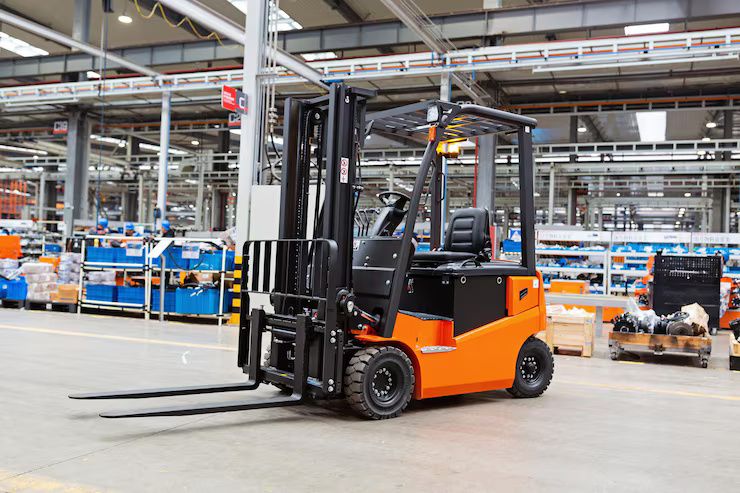
Why Electric Forklifts Matter Today
Electric forklifts play a critical role in modern supply chains and manufacturing environments. Their relevance has increased due to changes in workplace safety expectations, environmental awareness, and warehouse automation.
Key reasons this topic matters include:
-
Cleaner operation: No exhaust emissions during use, making them suitable for indoor facilities
-
Lower noise levels: Supports safer and more comfortable work environments
-
Precise handling: Smooth controls help reduce product damage
-
Energy efficiency: Electrical systems convert power more efficiently than combustion engines
-
Workplace safety: Reduced heat and vibration improve operator conditions
These forklifts affect warehouse operators, logistics planners, manufacturing supervisors, safety inspectors, and infrastructure designers. They solve common problems such as poor indoor air quality, high noise exposure, maintenance complexity, and inefficient load handling in confined spaces.
Industries such as food processing, pharmaceuticals, retail distribution, electronics manufacturing, and cold storage facilities increasingly depend on electric forklifts to meet hygiene, safety, and operational standards.
Recent Updates and Industry Developments
Over the past year, electric forklift technology has continued to evolve, focusing on efficiency, monitoring, and operator protection.
| Year | Update or Trend | Practical Impact |
|---|---|---|
| 2024 | Expansion of lithium-based power systems | Longer operating cycles and faster energy recovery |
| 2024 | Improved regenerative braking | Energy recovery during deceleration |
| 2025 | Enhanced safety sensing systems | Better obstacle awareness and load stability |
| 2025 | Data-driven fleet monitoring | Improved usage tracking and maintenance planning |
Recent developments emphasize energy density improvements, compact power storage, and reduced charging downtime. Manufacturers have also refined ergonomic designs, including improved visibility, adjustable controls, and vibration-reducing seating systems.
Another notable trend is the integration of forklifts into smart warehouse ecosystems, where usage patterns, lift cycles, and safety events are recorded and analyzed to improve operational planning and accident prevention.
Laws, Regulations, and Policy Influence
Electric forklifts are governed by workplace safety, equipment design, and environmental regulations. These rules aim to protect operators, bystanders, and infrastructure.
Common regulatory frameworks include:
-
OSHA (Occupational Safety and Health Administration) guidelines for powered industrial trucks
-
ISO 3691 standards for industrial truck safety and stability
-
ANSI B56 series addressing forklift design and operation requirements
-
National workplace safety codes that mandate operator training and certification
Many countries encourage the transition to electrically powered industrial equipment through environmental policies focused on emission reduction and energy efficiency. In regions with indoor air quality regulations, electric forklifts are often recommended or required in enclosed facilities.
Regulations typically cover:
-
Load capacity labeling
-
Stability testing
-
Braking performance
-
Operator visibility
-
Warning systems and alarms
Compliance ensures safe integration into industrial environments and reduces workplace incidents related to improper use.
Power Systems and Working Principles
Electric forklifts rely on integrated electrical systems that convert stored energy into mechanical motion.
Key components explained in simple terms:
-
Energy storage unit: Supplies electrical power to the system
-
Electric drive motor: Converts electricity into wheel movement
-
Lift motor: Controls vertical lifting of the forks
-
Controller unit: Regulates speed, torque, and directional control
-
Regenerative systems: Recover energy during braking or lowering
These systems work together to provide consistent torque, especially at low speeds, which is essential for precise load positioning. Unlike combustion engines, electric motors deliver instant torque, improving control during lifting and maneuvering.
Safety Insights and Risk Reduction
Safety is a major reason electric forklifts are widely used in controlled environments. Their design naturally reduces several operational risks.
Built-in safety advantages include:
-
No exhaust gases, improving indoor air conditions
-
Lower operating temperatures, reducing fire hazards
-
Smooth acceleration, minimizing sudden movements
-
Automatic speed reduction during turns or lifting
-
Improved visibility due to compact motor design
Modern electric forklifts also incorporate:
-
Load stability indicators
-
Automatic parking brakes
-
Overload detection systems
-
Audible and visual warning alerts
Proper operator training and adherence to safety guidelines remain essential, but electric designs significantly lower baseline risk compared to fuel-powered alternatives.
Tools, References, and Learning Resources
Understanding electric forklifts in depth benefits from access to technical references and educational materials.
Helpful resources include:
-
Industrial safety manuals for powered lift equipment
-
Engineering guides on electric motor systems
-
Workplace safety authority publications
-
Material handling association knowledge hubs
-
Forklift load capacity calculation charts
-
Battery performance reference tables
Practical learning aids:
-
Operator training handbooks
-
Visual load-stability diagrams
-
Preventive inspection checklists
-
Energy efficiency comparison charts
These resources help learners understand both theoretical and practical aspects of electric forklift operation.
Frequently Asked Questions
What environments are electric forklifts best suited for?
They are ideal for indoor warehouses, distribution centers, manufacturing plants, and facilities with strict air-quality requirements.
How do electric forklifts handle heavy loads?
Electric motors provide consistent torque, allowing stable lifting of rated loads when used within specified capacity limits.
Are electric forklifts suitable for continuous operation?
Yes, modern power systems support extended usage cycles with planned energy recovery periods.
What safety practices are most important?
Operator training, load awareness, speed control, and routine inspections are essential for safe operation.
How do electric forklifts support sustainability goals?
They reduce emissions, noise pollution, and energy waste, aligning with modern environmental policies.
Conclusion
Electric forklifts represent a significant shift in material handling technology. By combining efficient power systems, enhanced safety features, and clean operation, they address many challenges faced in modern industrial environments. Their growing adoption reflects broader changes in workplace standards, environmental awareness, and operational efficiency.
Understanding how electric forklifts work, why they matter, and how regulations shape their use helps operators, planners, and learners make informed decisions about material movement systems. As industries continue to modernize, electric forklifts will remain a key component of safe, efficient, and responsible industrial operations.