Coil Winding Machines Explained: Technology, Applications, and Engineering Insights
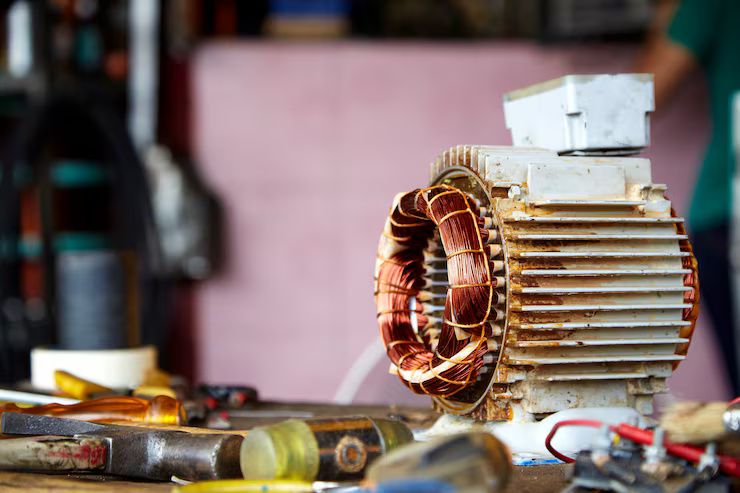
Coil winding machines are specialized mechanical systems used to wind conductive wire into precise coil shapes. These coils are essential components in electrical and electronic devices, where they help control current, store energy, or create magnetic fields. The machines guide wire onto a core or former in controlled patterns to achieve consistent electrical and mechanical properties.
The need for coil winding machines emerged with the growth of electrical engineering. Early manual winding methods lacked consistency and accuracy, leading to performance issues in motors, transformers, and inductors. As electrical systems became more complex and widespread, precision winding became necessary to ensure safety, efficiency, and repeatable performance.
Today, coil winding machines are a core part of electrical manufacturing, supporting industries that rely on stable power transmission, electromagnetic control, and energy conversion.
Importance: Why Coil Winding Systems Matter Today
Coil winding machines play a critical role in modern infrastructure, industry, and daily technology. Their importance has increased as devices become smaller, more powerful, and more energy-efficient.
Why these systems matter:
-
Electrical reliability: Proper winding ensures stable current flow and consistent electromagnetic behavior
-
Energy efficiency: Accurate coil geometry reduces energy loss and heat generation
-
Miniaturization: Precise winding enables compact components for modern electronics
-
Safety: Uniform winding reduces short circuits and insulation failure
-
Scalability: Supports high-volume production with repeatable quality
These machines affect a wide range of sectors, including power generation, electric mobility, consumer electronics, medical equipment, renewable energy systems, and industrial automation. Without controlled winding processes, modern electrical devices would struggle to meet performance and safety expectations.
Recent Updates: Trends and Developments in the Past Year
Coil winding technology continues to evolve in response to efficiency demands, sustainability goals, and advanced electrical designs.
| Year | Development | Engineering Impact |
|---|---|---|
| 2024 | High-precision tension control systems | Improved wire stability and reduced breakage |
| 2024 | Compact winding designs | Support for smaller motors and electronics |
| 2025 | Energy-optimized winding processes | Lower power usage during operation |
| 2025 | Advanced insulation handling | Better durability for high-voltage applications |
Recent developments also include improved mechanical synchronization, allowing more complex winding patterns for specialized inductors and transformers. Manufacturers are focusing on reducing material waste and improving winding accuracy to meet global energy efficiency standards.
There is also growing attention on recyclable materials and extended equipment lifespan, aligning coil winding processes with broader sustainability initiatives.
Laws, Standards, and Regulatory Considerations
Because coil winding machines directly affect electrical safety and performance, they are influenced by international and national regulations.
Common standards and guidelines include:
-
IEC electrical component standards: Define performance and insulation requirements
-
ISO manufacturing safety frameworks: Ensure machine operation safety
-
Electrical equipment safety directives: Focus on insulation integrity and fault prevention
-
Energy efficiency programs: Encourage reduced losses in electrical components
In many countries, electrical coils used in transformers, motors, and power systems must meet strict testing and certification requirements. Proper winding quality is essential for compliance, especially in high-voltage or critical infrastructure applications.
Regulatory bodies emphasize traceability, consistent production quality, and operator safety during winding operations.
Tools and Resources for Learning and Understanding
A strong understanding of coil winding systems benefits from technical references, engineering tools, and educational resources.
Helpful learning resources include:
-
Electrical engineering textbooks on magnetics and electromagnetism
-
Technical journals covering motor and transformer design
-
Industry white papers on winding geometry and insulation behavior
-
Engineering standards documentation from IEC and ISO
-
University research publications on electromagnetic systems
Reference tools often used in engineering studies:
-
Coil turn calculation charts
-
Magnetic flux density reference tables
-
Wire gauge comparison tables
-
Insulation class temperature limits
-
Efficiency and loss estimation charts
These resources help learners and professionals understand how winding patterns influence electrical performance, heat dissipation, and mechanical stability.
Types of Coil Winding Machines and Their Functions
Different applications require different winding approaches. Coil winding machines are designed to support a variety of shapes, sizes, and precision levels.
| Machine Type | Primary Use | Typical Applications |
|---|---|---|
| Manual winding machines | Basic winding tasks | Training, prototyping |
| Semi-automatic winding machines | Controlled winding with operator input | Small-scale production |
| Automatic winding machines | High-precision, repeatable winding | Motors, transformers |
| Toroidal winding machines | Circular core winding | Power supplies, filters |
| Needle winding machines | Compact and complex coils | Sensors, micro-electronics |
Each type is designed to balance accuracy, speed, and adaptability based on the electrical component being produced.
Engineering Insights: How Coil Winding Affects Performance
The way a coil is wound directly influences how an electrical component behaves.
Key engineering factors include:
-
Winding tension: Affects wire placement and insulation integrity
-
Turn spacing: Influences magnetic field uniformity
-
Layer arrangement: Impacts heat dissipation and inductance
-
Core alignment: Determines magnetic efficiency
-
Insulation handling: Prevents electrical breakdown
Even small variations in winding parameters can lead to changes in efficiency, noise levels, and operational lifespan. This is why modern winding systems emphasize mechanical precision and consistent control.
Frequently Asked Questions
What is the main purpose of a coil winding machine?
Its primary purpose is to wind conductive wire into controlled coil shapes that meet electrical, mechanical, and safety requirements.
Which industries rely heavily on coil winding systems?
Power generation, electric mobility, renewable energy, electronics manufacturing, medical equipment, and industrial machinery all depend on coil winding.
Why is winding accuracy so important?
Accurate winding ensures stable electromagnetic behavior, reduces energy loss, and prevents overheating or insulation failure.
How do winding patterns affect electrical performance?
Winding patterns influence inductance, magnetic field strength, resistance, and heat dissipation.
Are coil winding machines linked to sustainability goals?
Yes. Efficient winding reduces material waste, lowers energy losses, and supports longer component lifespans.
Helpful Tips for Better Understanding Coil Winding Systems
-
Study electromagnetic fundamentals to understand why coil geometry matters
-
Compare winding types based on application requirements
-
Review insulation classes for temperature and voltage limits
-
Understand wire gauge selection and its effect on resistance
-
Analyze loss factors such as heat and magnetic leakage
These insights help learners connect mechanical winding processes with real-world electrical behavior.
Conclusion
Coil winding machines are a foundational element of modern electrical engineering. They enable the precise construction of coils that power motors, regulate voltage, store energy, and support countless technologies used every day. Through controlled winding techniques, these machines ensure reliability, efficiency, and safety across industries.
As electrical systems continue to evolve toward higher efficiency and compact designs, coil winding technology remains essential. Understanding its principles, standards, and applications provides valuable insight into how modern electrical infrastructure is built and maintained.